Valve filed a motion to dismiss a lawsuit filed in February 2026 by New York Attorney General Letitia James that accuses the company of illegally promoting gambling through loot boxes in Counter-Strike 2 (CS2) [1, 2, 3, 4]. The lawsuit claims Valve makes billions by allowing both children and adults to gamble for valuable virtual items through randomized loot boxes [1, 2, 3, 4].
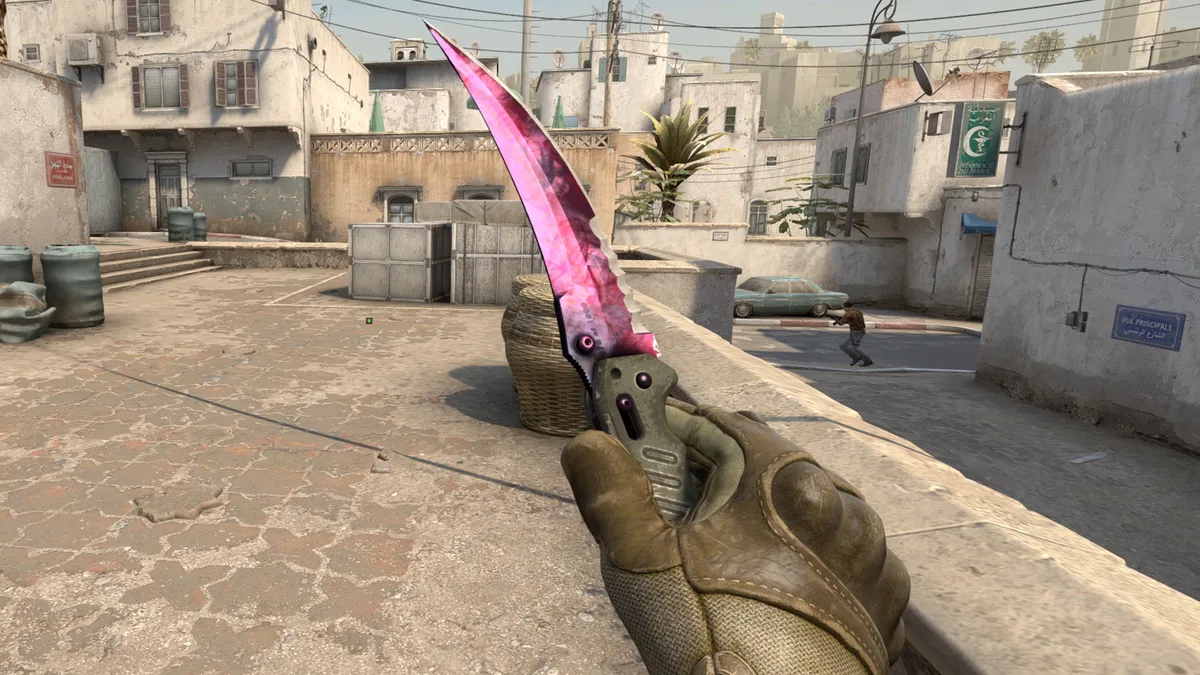
Each CS2 loot box offers random skin items, requiring players to buy a key for $2.49 to open most cases, though some can be opened without keys to gain other rewards [2]. Valve argues these loot boxes are akin to buying baseball cards, Happy Meal toys, or blind boxes—surprise collectibles that courts have never deemed illegal gambling. "People enjoy surprises. Part of the appeal of many popular collectibles, from baseball cards to cereal boxes, is the possibility of opening a sealed package and being surprised with a rare item," Valve said [1].
Valve stated in legal filings that players always receive exactly what they pay for—one skin per box—meaning there is no "stake" or "risk" as defined by New York gambling law: "While users enjoy and subjectively value skins, they are not money, property, tokens exchangeable for money or property, credits, or promises, so as a matter of law they are not 'something of value' as that term is defined under New York gambling law" [2]. The company also disputed the idea that virtual items have monetary value since they cannot be redeemed for cash on Steam and are subject to trading restrictions [5]. Valve warned that if loot boxes were ruled illegal gambling, it would threaten many common consumer behaviors and collectibles [1, 3, 4].
Valve estimated global revenue from CS2 loot boxes at around $4 billion and noted that New York demands triple damages, which could top $12 billion [4]. The company said it respects New York's right to legislate but urged the court not to criminalize conduct without clear laws [1, 4]. Valve also defended users' rights to transfer and resell digital items in their games [1, 4].
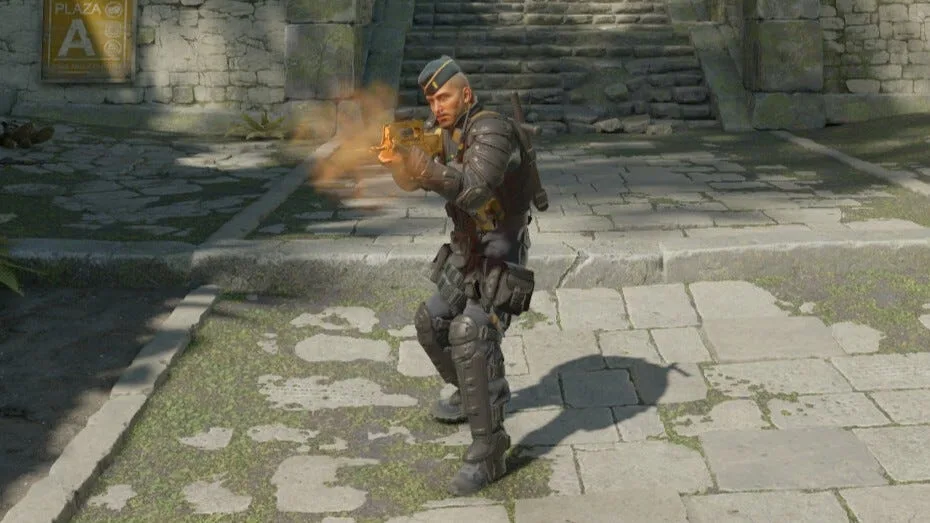
Most CS2 players do not engage with loot boxes, as the virtual items are purely cosmetic and offer no gameplay advantage [1, 4]. The next court proceedings will focus on the motion to dismiss Valve filed in May 2026, which challenges the lawsuit's core legal theories [1, 2, 5, 3, 4].