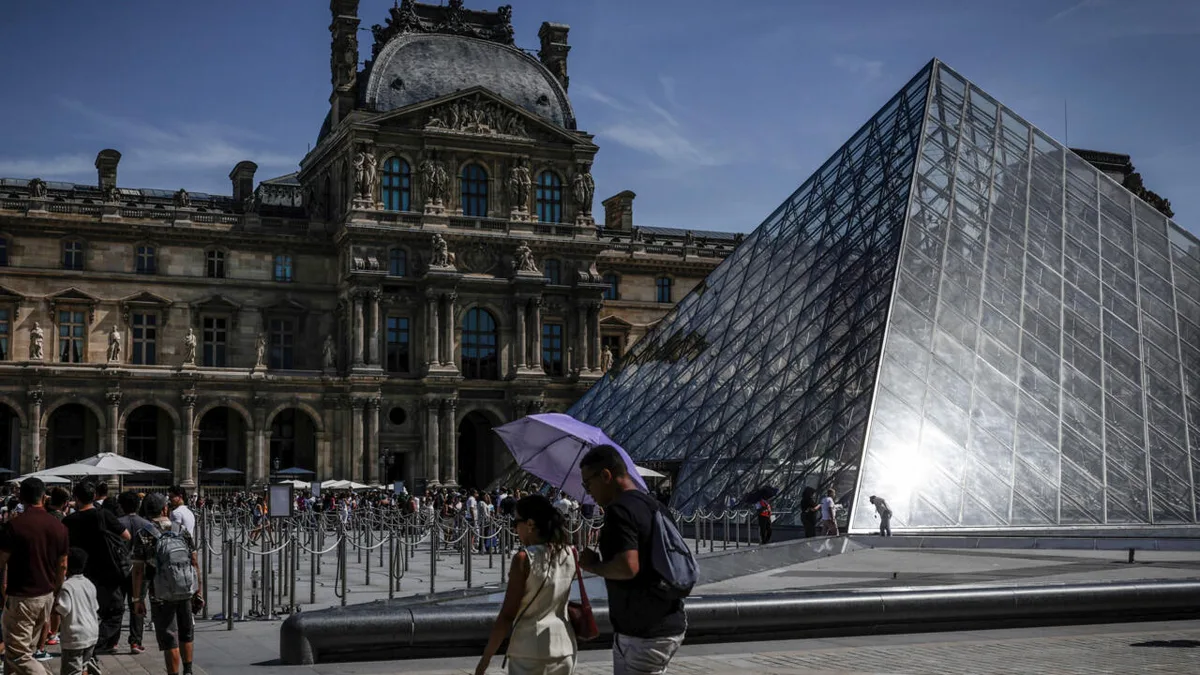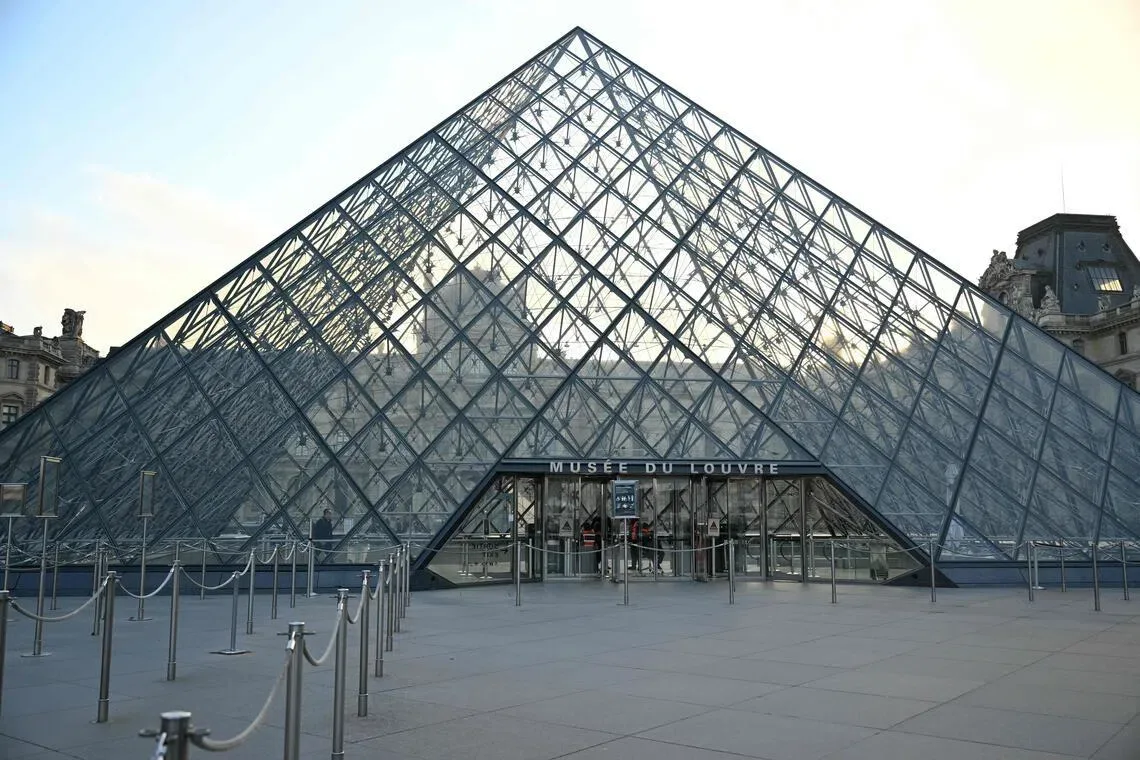
Christophe Leribault, appointed director of the Louvre museum in February 2026, told the French Senate on June 17 that the institution’s infrastructure and equipment are "reaching the end of their life cycle" and the museum is "running out of steam" [1, 2]. He said "building-related emergencies are piling up" and investments have hit a wall, adding: "We can say it without ambiguity ... the Louvre is at breaking point" [1, 2].
The Louvre is struggling to secure funds to upgrade its ageing facilities, originally developed during the Grand Louvre project of the 1980s. Structural issues have worsened, especially in the Sully Wing and buildings around the Cour Carrée courtyard [2]. Fragile beams on the museum’s second floor caused evacuation of two departments' offices and closure of the Campana Gallery in November 2025 as a precaution [2]. Museum workers are scrambling to protect over 10,000 Greek vases housed in vulnerable areas [2].
The museum’s challenges come amid ongoing operational difficulties, including repeated staff strikes that hit revenue, and a ticket fraud scheme estimated to have cost around €10 million [1, 3]. These woes follow a high-profile daylight theft in October 2025 that saw nearly $100 million worth of imperial jewelry stolen, including an emerald and diamond necklace given by Napoleon Bonaparte to Marie-Louise and a diadem of Empress Eugenie [1, 2].
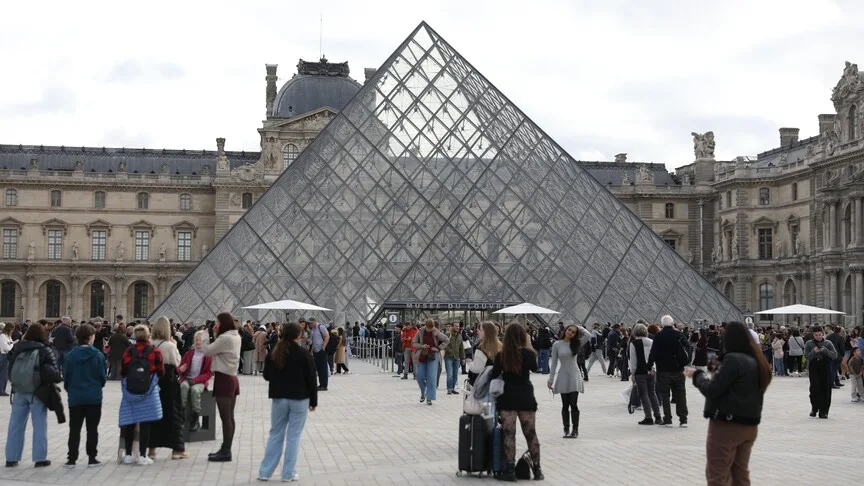
The Louvre remains one of the world’s most visited museums, attracting about 9 million visitors annually and around 20,000 visitors daily to see iconic works like Leonardo da Vinci’s Mona Lisa [4, 3]. French President Emmanuel Macron announced a major renovation project for the museum in 2025, including a new space and separate entrance for the Mona Lisa with a projected cost between €700 million and €1.15 billion, according to estimates from his aides and the French Court of Auditors [4, 5].
Despite the planned overhaul, Leribault’s testimony highlights the immediate risks to the museum’s infrastructure and operations if funding is not secured urgently. The Louvre will continue to seek solutions to address structural vulnerabilities and upgrade essential equipment while maintaining public access and protecting its collections.