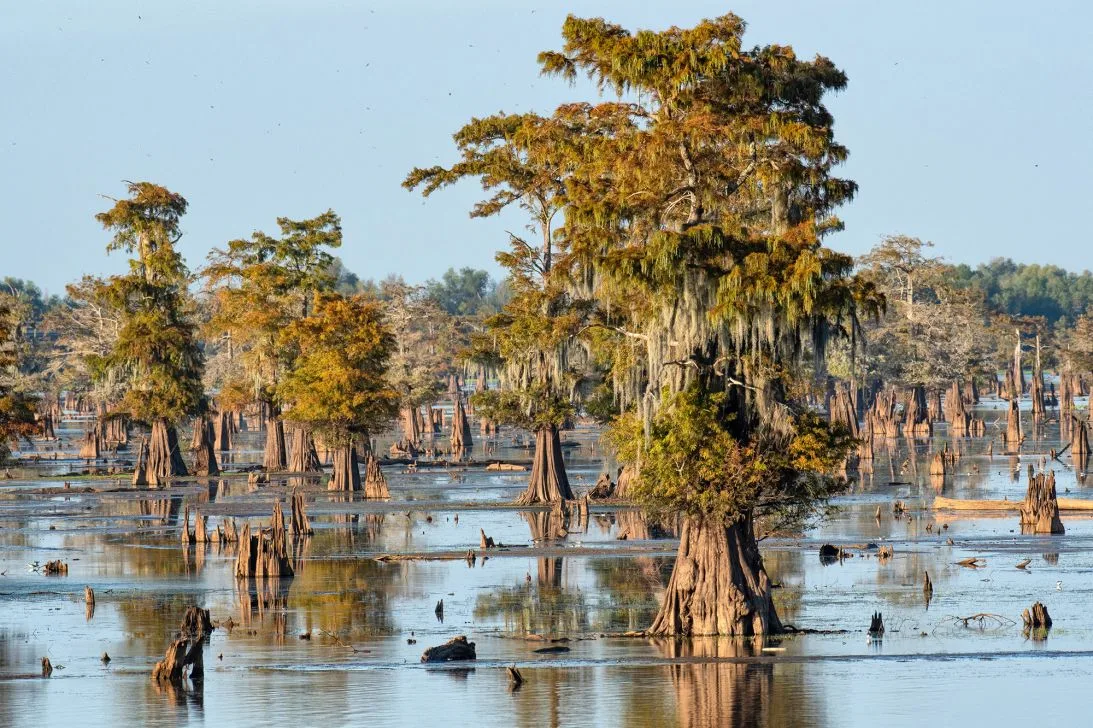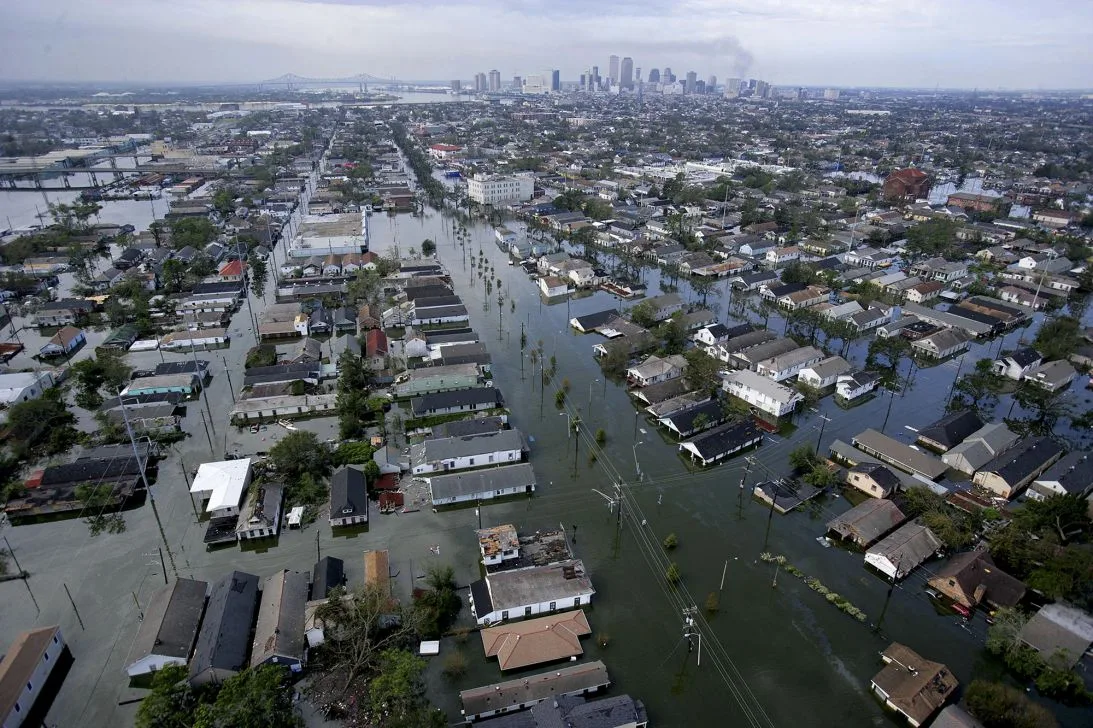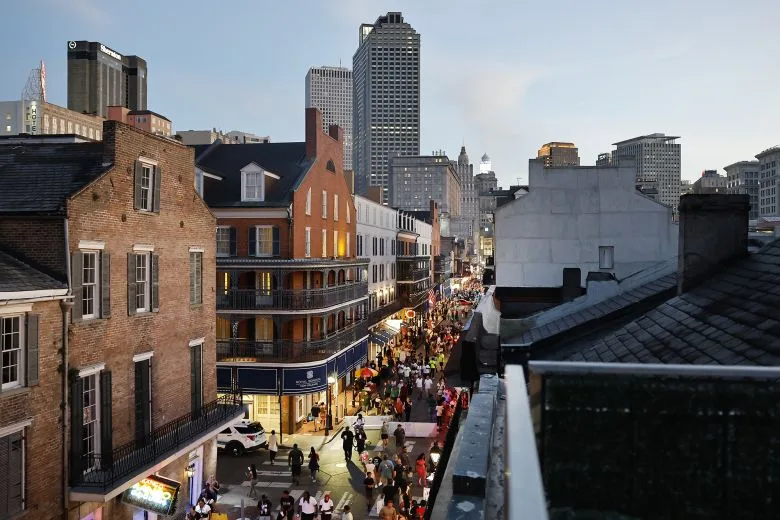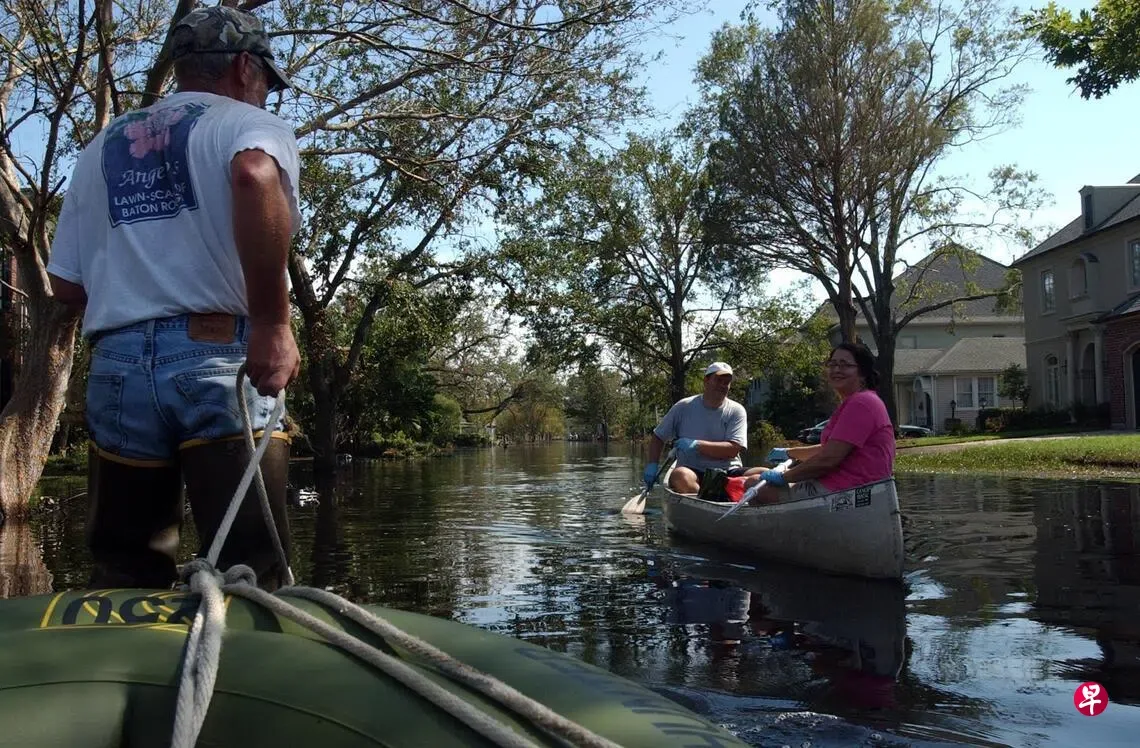
New Orleans, a city of about 360,000 people mostly located below sea level in a shrinking delta, faces the prospect of being surrounded by the Gulf of Mexico before the end of this century due to coastal land loss and sea level rise [1, 2]. Coastal Louisiana, one of the lowest-lying coastal regions globally, has lost some 2,000 square miles of wetlands since the 1930s because of human activities including development, canal dredging, and levee construction [1, 2]. Experts say the area has crossed a "point of no return" for irreversible land loss and sea level rise, with future increases projected between 3 and 7 meters (10 to 23 feet) [1, 2].
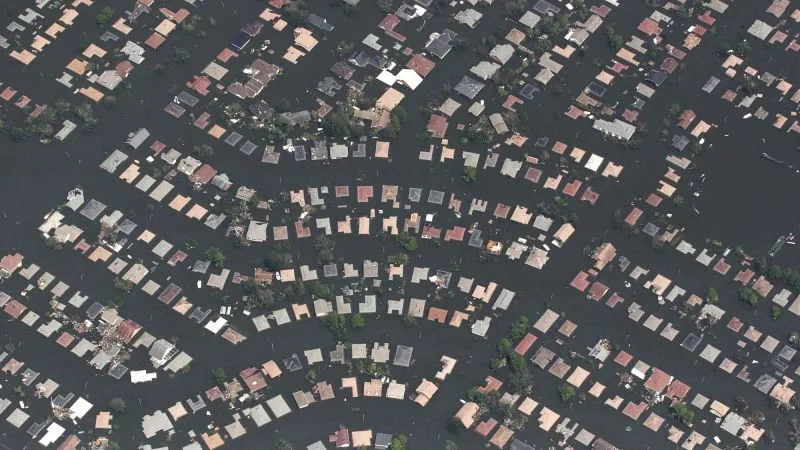
Approximately 75% of the remaining wetlands in coastal Louisiana are expected to vanish by 2100, and the coastline may retreat inland up to 100 kilometers (62 miles) [1, 2]. This transformation threatens New Orleans in particular, where 99% of the residents currently live in high flood risk zones [1]. Since Hurricane Katrina struck in 2005, killing nearly 1,400 people, the city has already seen its population decline by about 25% due to deaths and migration [1].
Local environmental justice advocates warn that relocation efforts could break apart African American communities and cause cultural loss. Wright, leader of a local advocacy group, said, "拆散社区意味着文化流失。她也担忧,弱势群体可能在搬迁过程中再次遭到边缘化" (Breaking communities means cultural loss. She also worries vulnerable groups may be marginalized again during relocation) [1]. Scientists recommend early planning for relocation to prevent chaotic, costly emergency evacuations later and to serve as a model for other coastal cities [1, 2]. Benjamin Strauss, CEO of Climate Central, noted, "The main questions are how soon those futures will come, and how they will play out" [2].
Without orderly planning, population outflow could worsen social inequality, reduce tax revenues, challenge public services, raise insurance costs, and lower property values [1]. The next steps hinge on how local and state officials respond to this looming threat to communities and infrastructure.
The situation remains urgent as New Orleans prepares for the future impact of sea level rise and land loss projected to reshape coastal Louisiana by the end of the 21st century [1, 2].