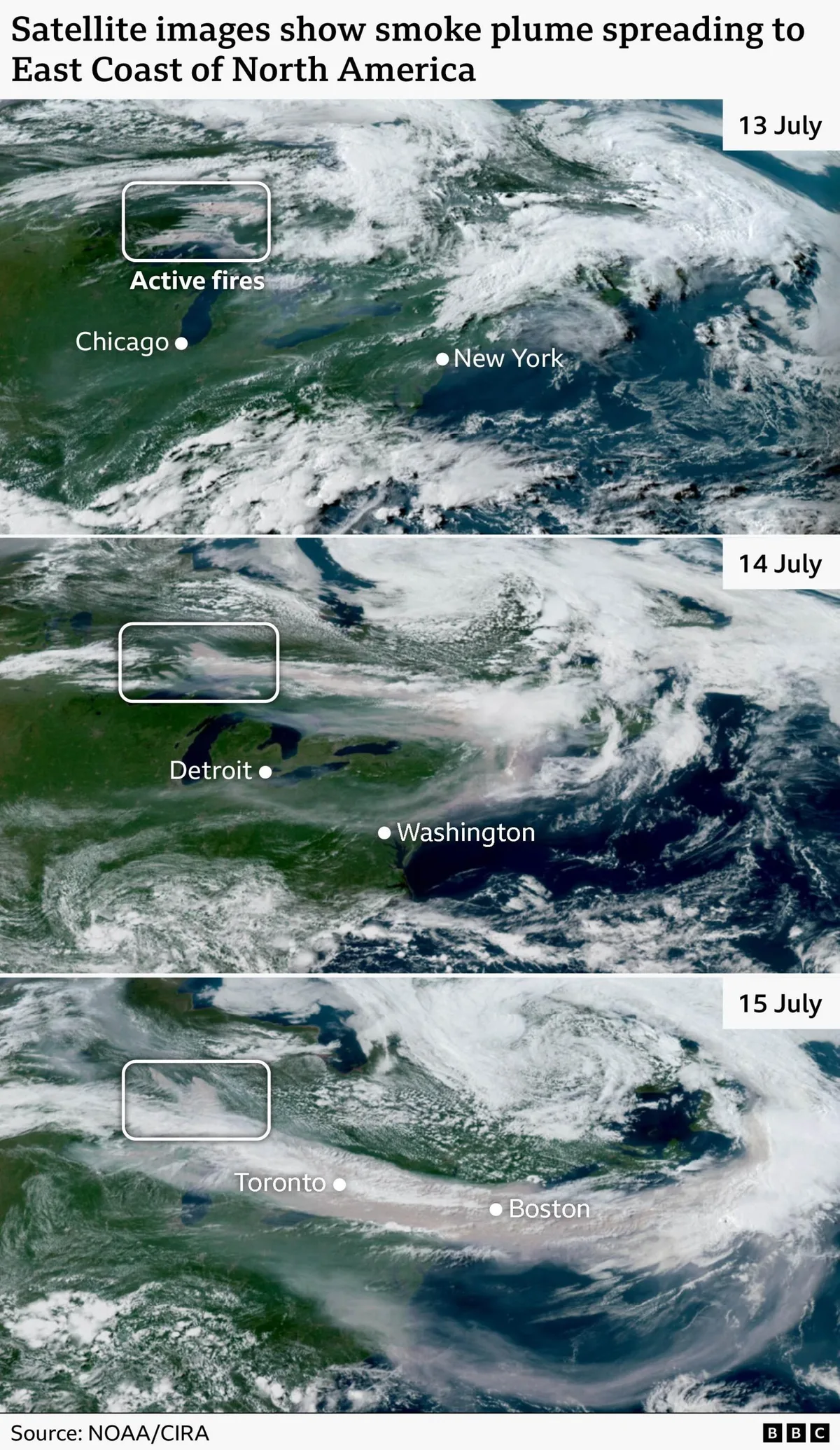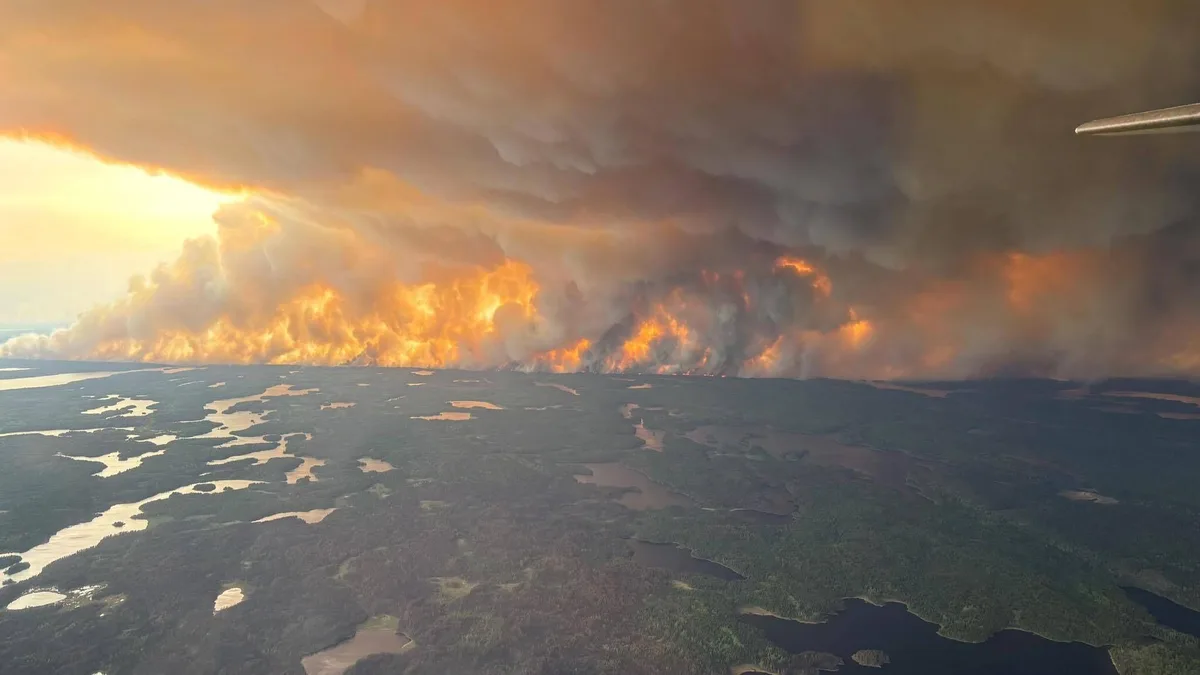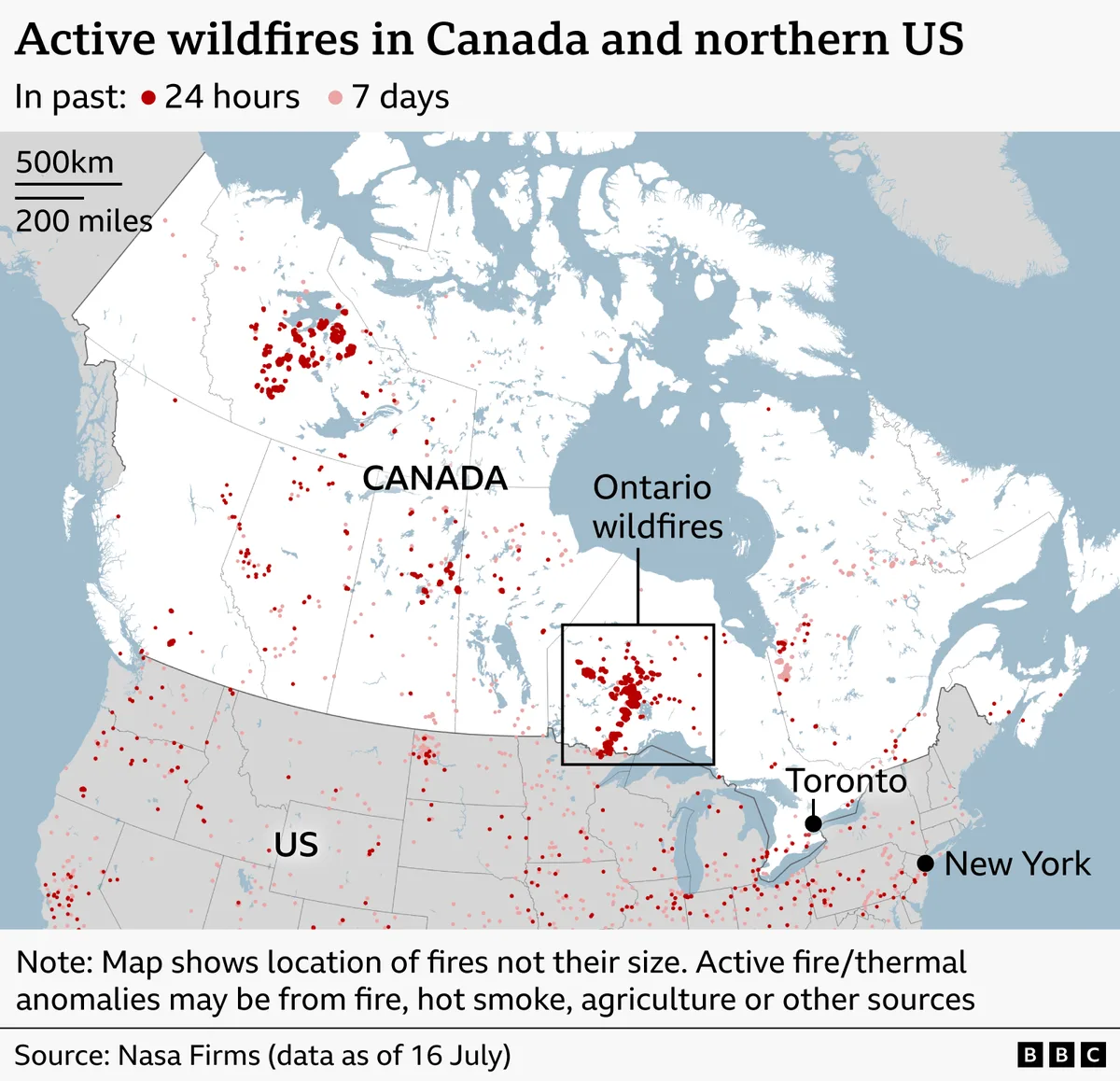
Canada is currently battling approximately 838 to 888 active wildfires, with about 190 to 200 of those raging out of control in Ontario alone [1, 2, 3, 4, 5]. The ongoing wildfire season has burned nearly 3 million hectares so far, exceeding the scale of 2023's fires and fueled by a sustained heat dome creating hot, dry conditions in northern Ontario [1, 3, 6].
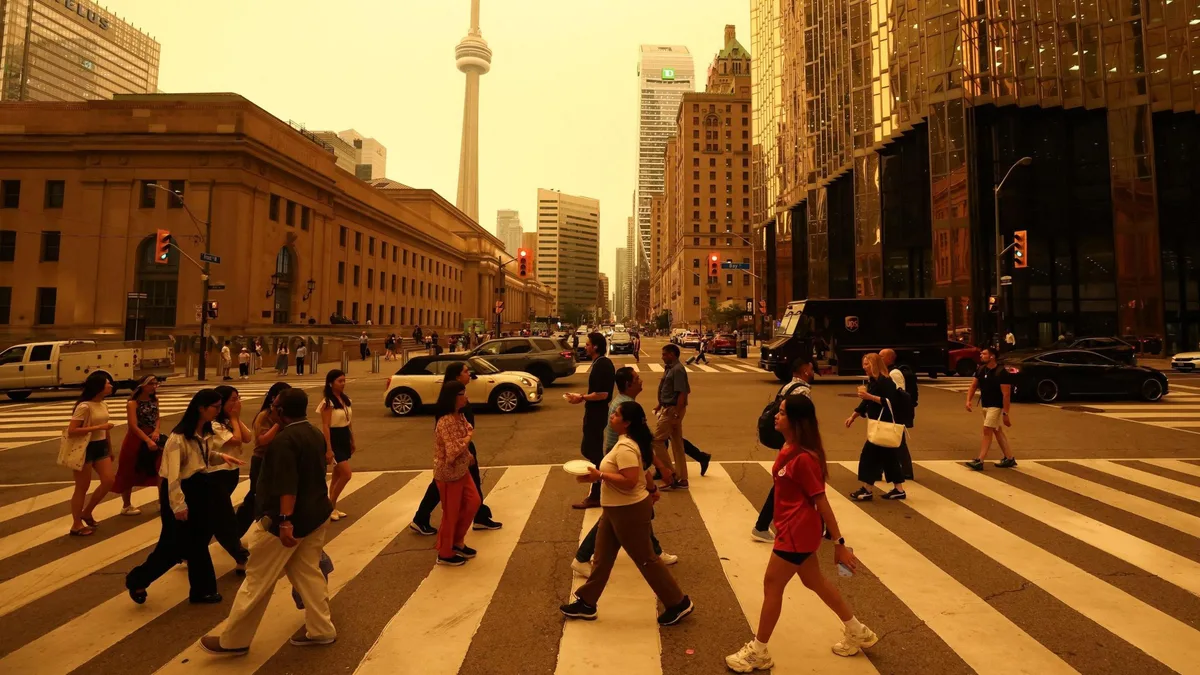
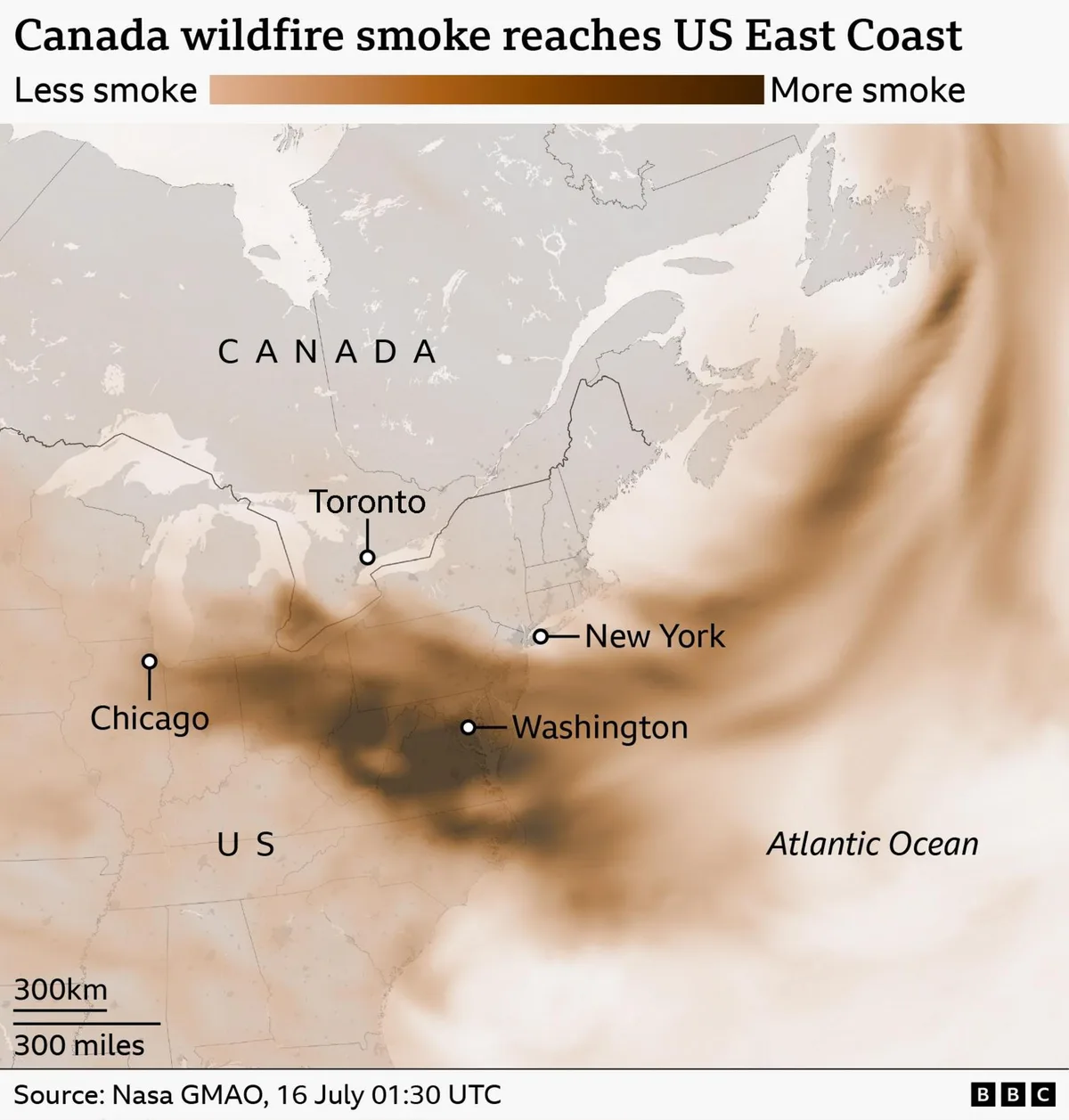
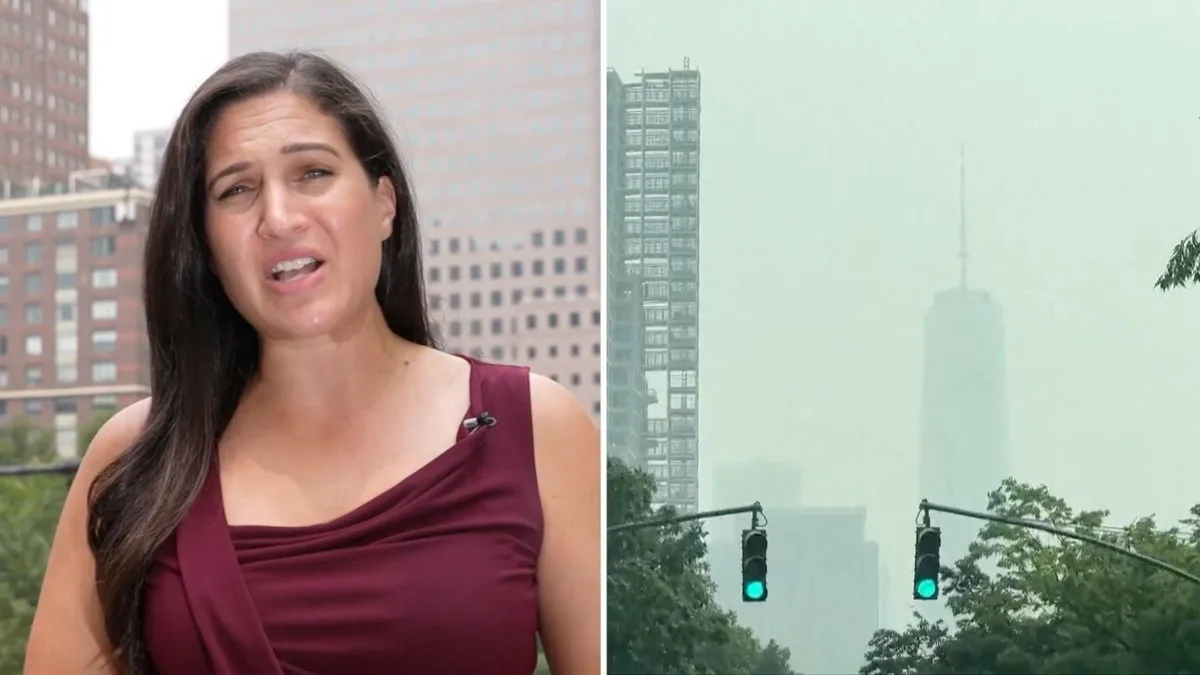
Smoke and particulate pollution from these fires have traveled southeast across Ontario, past Toronto, and into northern US states including Minnesota, Michigan, New York, Boston, and as far as New England [1, 2, 6, 4, 5, 7, 8, 9]. Toronto saw its air quality plummet to the worst worldwide on July 15, surpassing cities such as Delhi and Kinshasa, with IQAir ranking it number one for poor air quality on that day [2, 6, 4, 5, 9]. The city's air quality index climbed above 10, indicating a very high risk to health [4, 5].
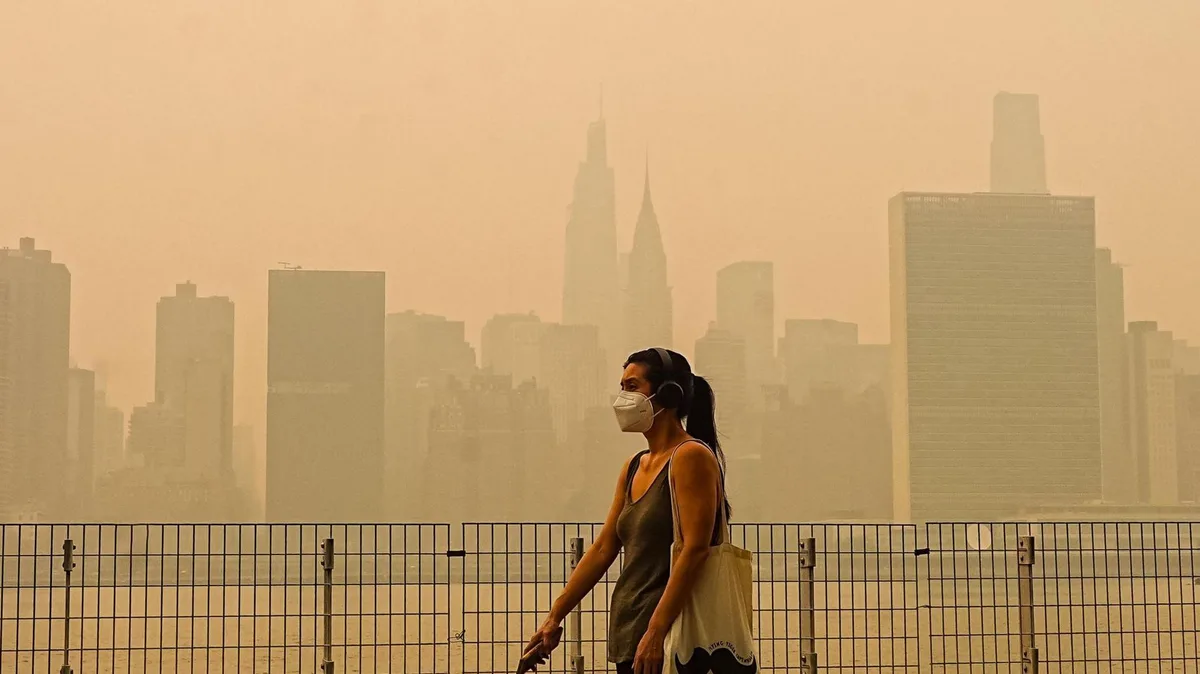
The haze forced health warnings and air quality alerts across affected regions including New York, Boston, Minnesota, Michigan, Wisconsin, Pennsylvania, Ohio, and New Jersey [2, 3, 6, 4, 5, 7, 8, 10, 11, 9]. New York Governor Kathy Hochul urged residents to stay indoors as "smoke from the Canadian wildfires will continue to blanket New York today," with air quality expected to worsen into very unhealthy territory [8]. AccuWeather meteorologist Alex DaSilva explained the densest smoke areas could cause respiratory issues, particularly for those with pre-existing conditions [8].
More than six communities in Ontario, including First Nations such as Namaygoosisagagun and Collins, have been evacuated due to wildfire threats and damage. Grand Council Chief Linda Debassige described how the "remote Namaygoosisagagun First Nation in northern Ontario was devastated by an unexpected and fast-moving wildfire," while Ontario New Democratic Party member Sol Mamakwa said "an entire First Nation community has been erased because of this disaster" [2, 6, 5].
Along the US northern border, at least 17 wildfires near Minnesota's edge have prompted emergency declarations and firefighting efforts [2, 5]. Rail traffic delays and disruptions to outdoor events have been reported in affected US and Canadian regions as smoke conditions remain severe [6, 11, 9].
Political tensions flared when US President Donald Trump blamed Canadian negligence for the smoke impacting northern US air quality, threatening tariffs. Trump said, "The United States is being unnecessarily invaded by filthy, polluted, and unhealthy air... Canada’s willful negligence" [3].
Despite lingering smoke concerns and health warnings, the 2026 FIFA World Cup final scheduled for July 19 at the New York-New Jersey Stadium will proceed with over 80,000 attendees expected. Officials say air quality conditions near the event remain worrisome but manageable [4, 8, 10, 11]. About 50,000 spectators are also expected for the outdoor World Cup viewing event in Central Park, Manhattan [4, 8, 10].
Conditions are forecast to improve by July 19 as a cold front and rainfall approach, helping to clear smoke haze over New York and surrounding areas [8, 10, 11]. Authorities continue to monitor fire activity and air quality across the region.