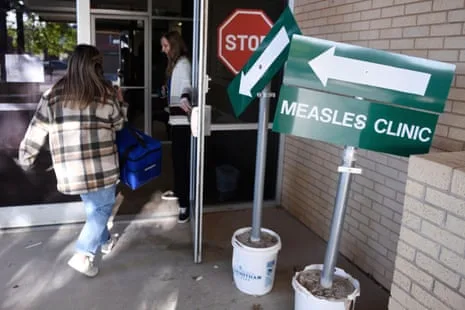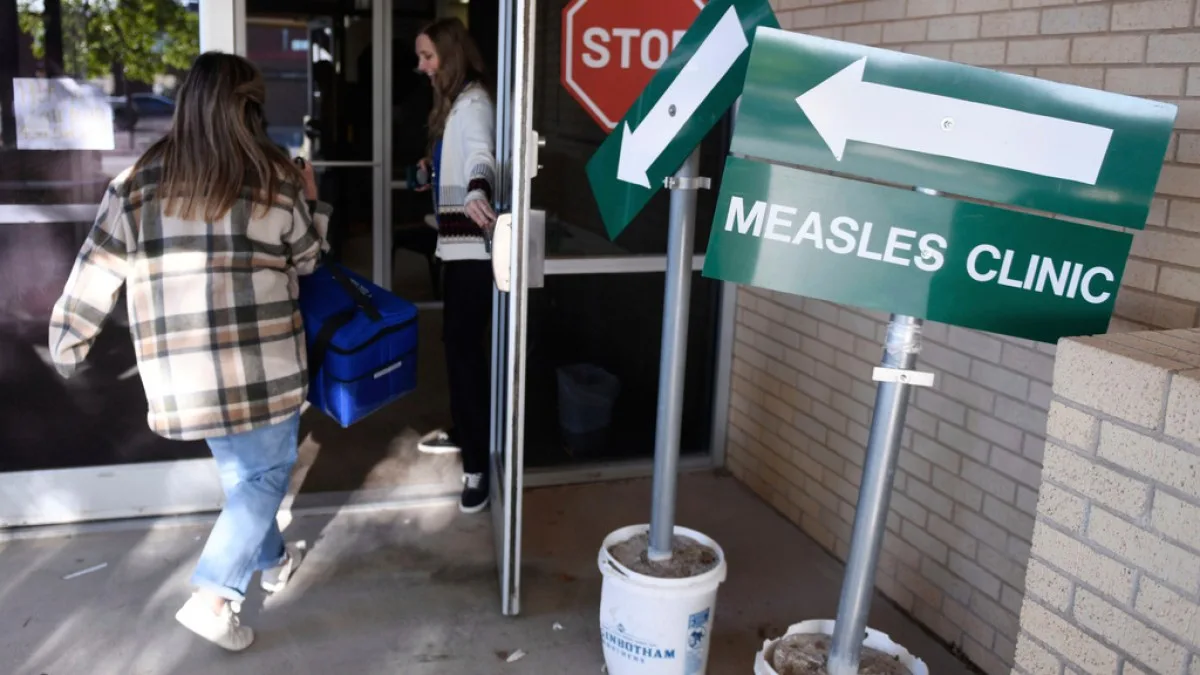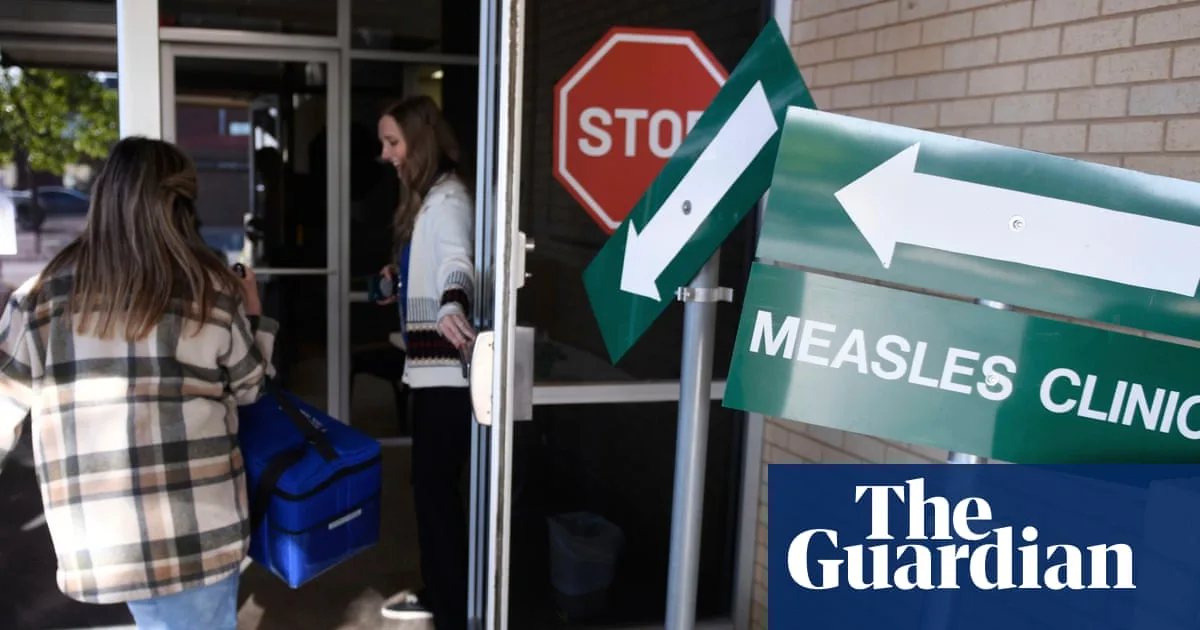
The United States recorded 2,318 confirmed measles cases in 2026, surpassing the 2,289 cases reported in all of 2025, marking the worst outbreak in 35 years [1, 2, 3, 4]. Large outbreaks have emerged in South Carolina, Utah, Arizona, and other states, driven largely by declining vaccination rates [1, 3, 5].
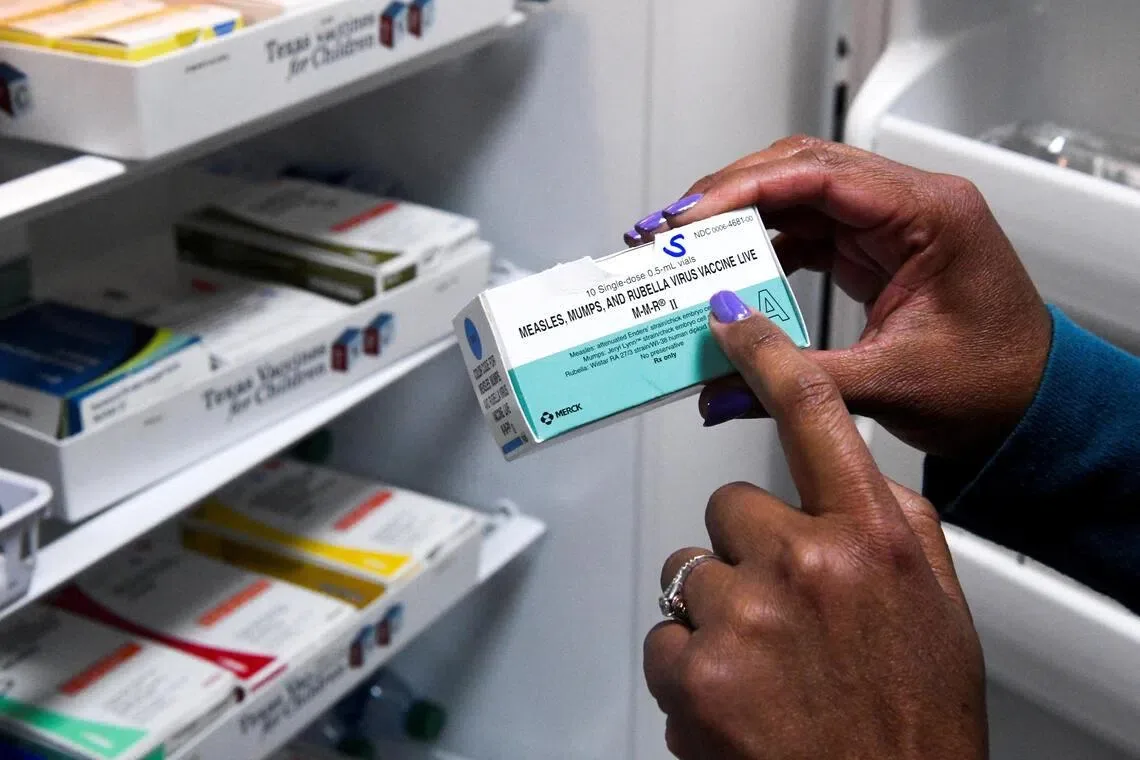
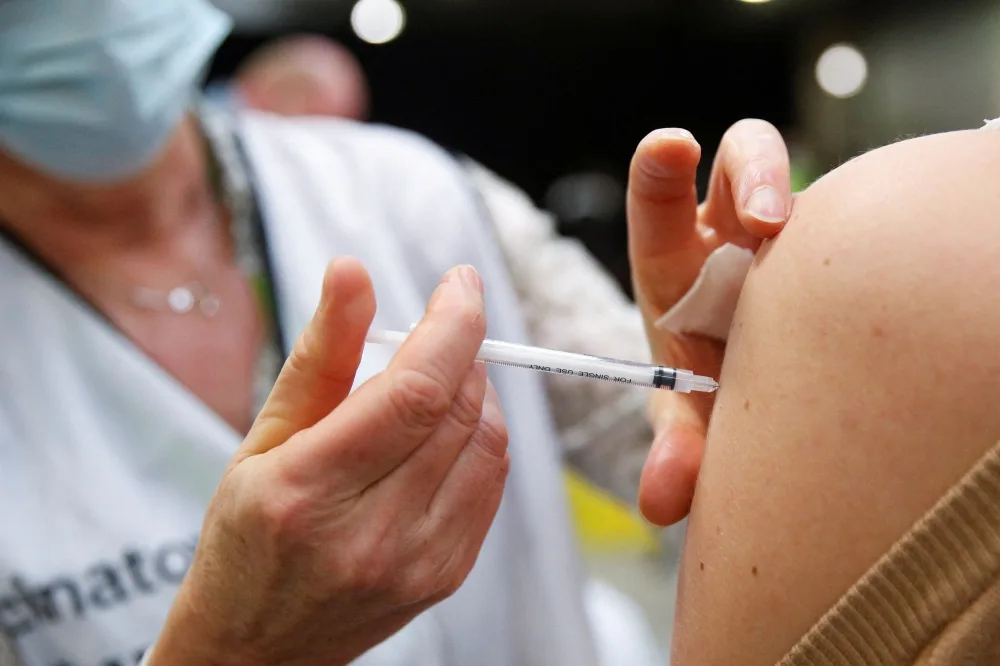
Measles was declared eliminated in the US in 2000 because of high vaccine coverage. However, vaccination rates have fallen below the 95% threshold needed to prevent outbreaks, reaching just 92.5% among kindergartners in the 2024-2025 school year [1, 2, 3, 4, 5]. Most cases involve unvaccinated children and young adults aged 5 to 19 years [2, 5].
Health officials warn the true number of measles infections is likely higher due to underreporting and hesitancy to seek medical care. Dr. Varun Shetty, chief epidemiologist for Texas, said, "What we're able to count and report is almost always an underestimate of what actually occurred, because it relies on people being willing to be able to get tested" [3]. Melissa Nolan, an epidemiology professor, added, "I definitely believe that there is underdiagnosis" as those avoiding vaccines often avoid medical services [2].
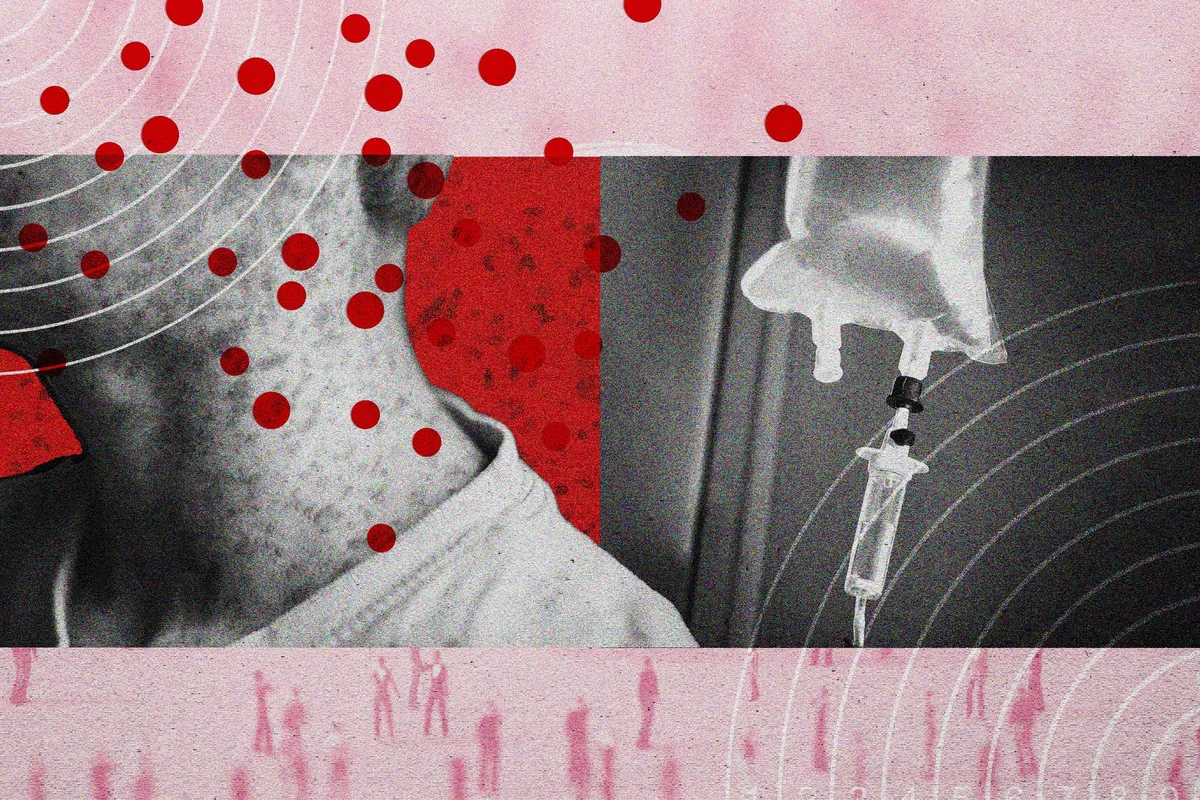
Measles causes fever, rash, respiratory symptoms, pneumonia, and brain inflammation, with severe risks to young children and immunocompromised people [2, 6]. While three deaths occurred in 2025, including two young children, no deaths have been reported so far in 2026 [2, 4, 5].
US Health Secretary Robert F. Kennedy Jr. has been criticized for downplaying vaccine importance, contributing to hesitancy that experts blame for the current outbreaks [1, 2, 4]. Andrew Racine, president of the American Academy of Pediatrics, said, "We are witnessing an avoidable crisis that disproportionally hurts children. We should not accept this as our new normal" [2].
Dr. Marc Siegel of Fox News noted, "Measles is so contagious that up to 90% of susceptible people who are exposed to an infected person will become infected. We need a 95% vaccine coverage rate to ensure herd immunity" [5]. Meanwhile, development of measles-specific treatments such as monoclonal antibodies is underway but not yet available [6].
As of July 24, 2026, the CDC publicly confirmed the 2,318 measles cases this year [1, 2, 3, 4]. The US is continuing surveillance and vaccination efforts to contain the outbreak.