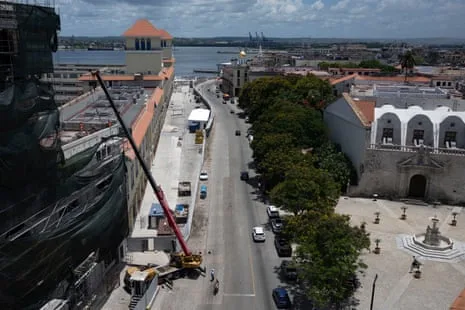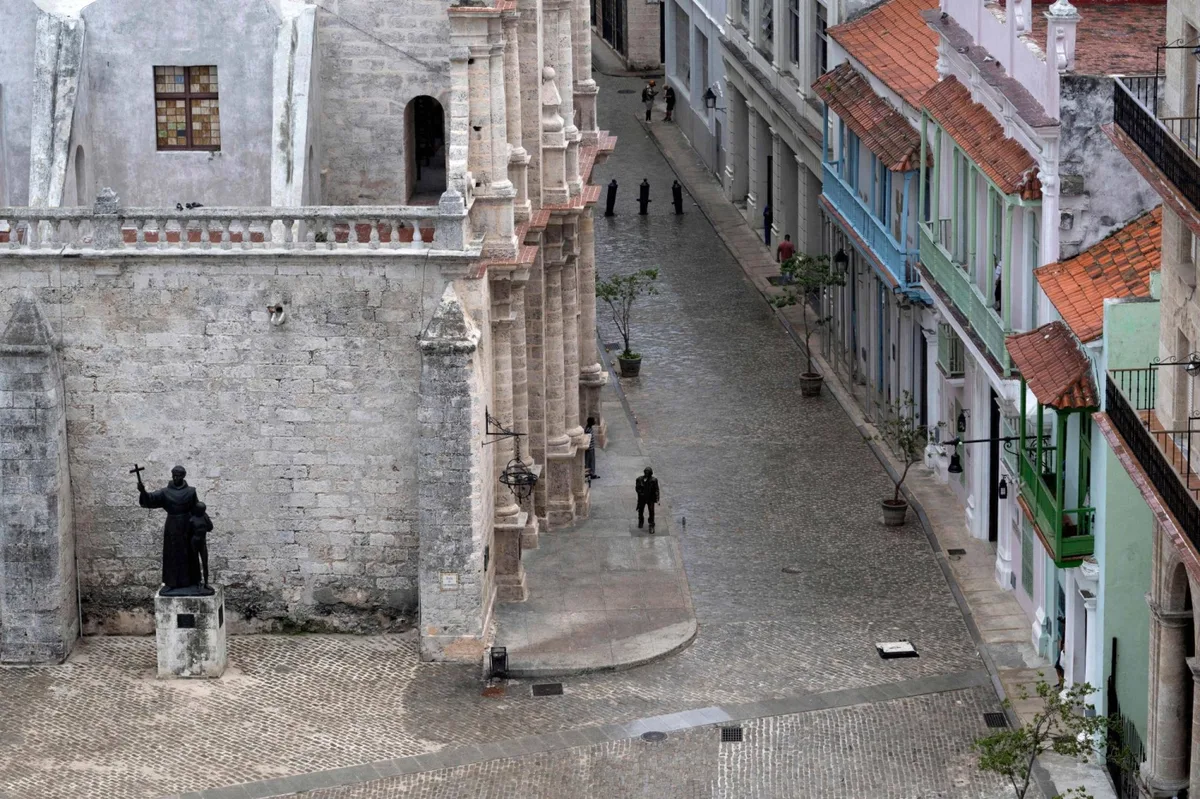
A 6.1-magnitude earthquake struck off the northwest coast of Cuba Monday afternoon, about 65-104 km west-northwest of Mantua, Cuba, at a depth of roughly 16 miles (26 km) [1, 2, 3]. It was the strongest tremor in nearly 150 years in the region, with the last of similar strength recorded near San Cristobal, Cuba, in 1880 [1, 2, 3].
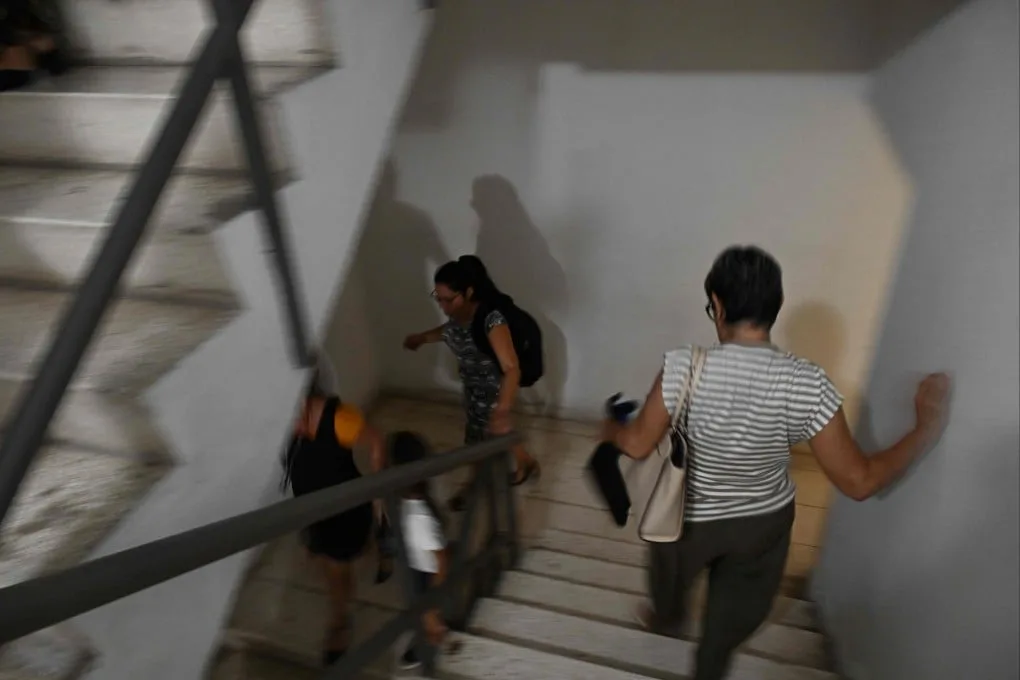
The quake was widely felt across parts of Florida, Mexico’s Yucatán and Quintana Roo states, and multiple Cuban cities including Havana and Pinar del Rio [1, 2, 3]. Residents in Florida, where earthquakes are rare, described unusual shaking. Britnee Jeffries said, “It was very strong and it was honestly kind of scary. I wasn’t really worried in a sense that I thought it was here because we don’t get earthquakes here. But at the same time, I was worried because we don’t get them here” [1]. Bobby Shea added, “I’m in my chair and it started literally going left and right … The metals on my walls kept clamping together and I’m like, ‘Holy smokes, like this is weird. This is a concrete building’” [1]. Kelsey Pope, on the third floor of an apartment building, said, “My whole apartment building was swaying, and since I’m on the third floor, I honestly thought it might collapse” [1].
In Mexico, authorities declared precautionary emergency measures in the Yucatán and Quintana Roo states [1]. The U.S. Tsunami Warning Center said no tsunami threat was expected for the U.S., Canadian east, and southern coasts [1].
Cuba’s ongoing economic crisis and infrastructure disrepair raised concerns about potential impacts from the quake, though no serious injuries, deaths, or major property damage have been reported so far [1, 2]. Yusmila Hernandez in Cuba said, “It felt strong. I had never felt anything like that” [2].
Seismologist Paul Earle described the earthquake as unusual because it occurred within a tectonic plate rather than at plate boundaries, where earthquakes tend to be more frequent and predictable. “Monday’s earthquake was unusual for this area of the Caribbean, noting that the quake occurred within a tectonic plate, where earthquakes are usually more scattered and less frequent than when they occur along plate boundaries,” he said [1, 2, 3].
Emergency officials and experts continue monitoring for aftershocks. No further alerts or warnings have been issued.