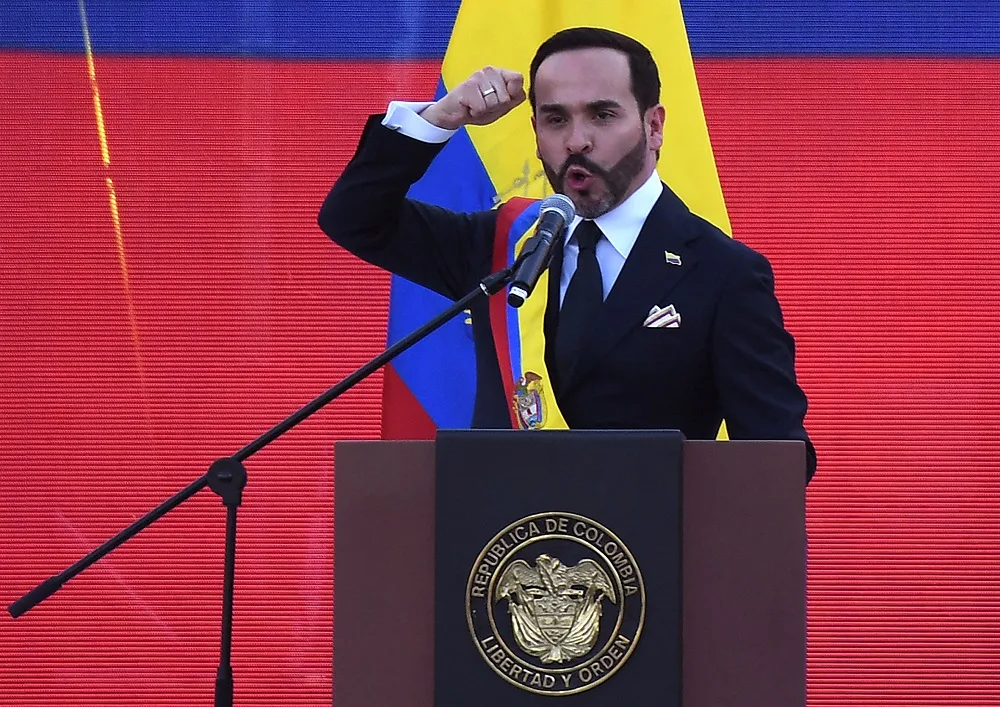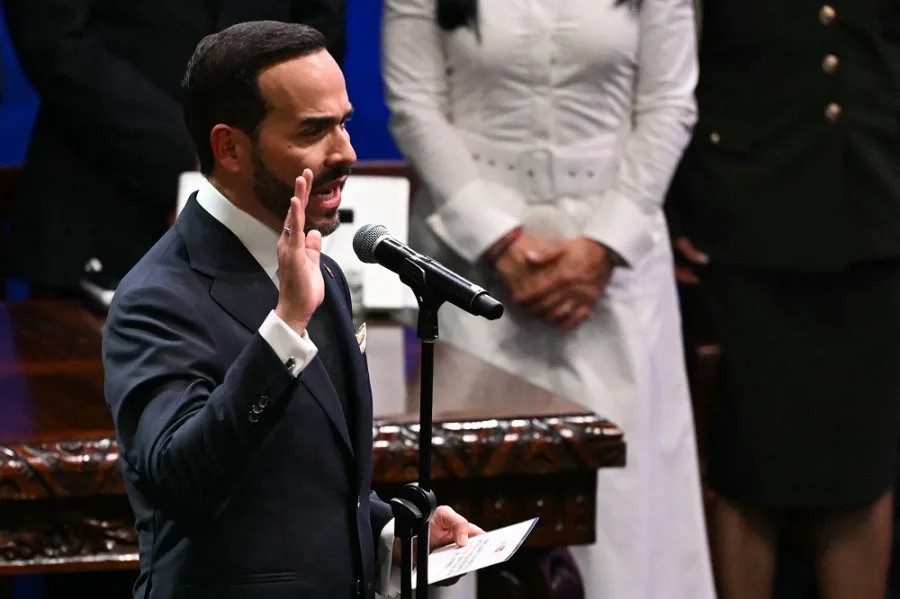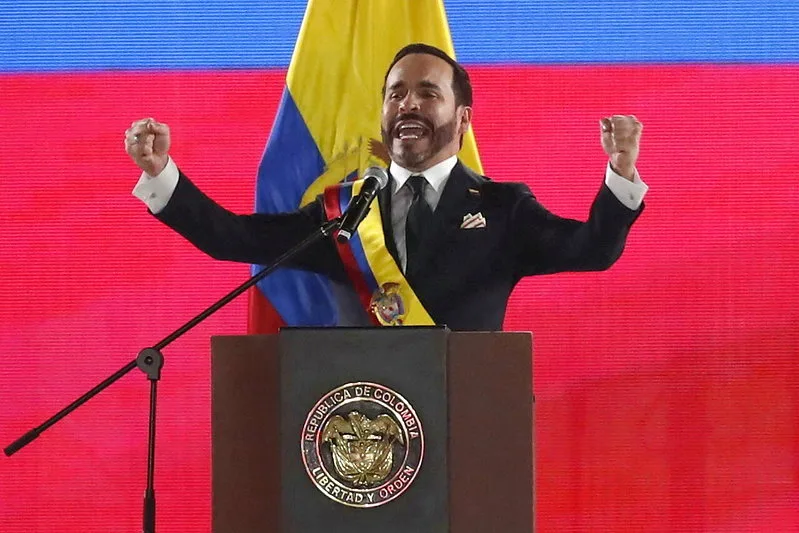
Abelardo de la Espriella took the oath as Colombia’s president on August 7, 2026, in Cali, departing from the traditional inauguration location of Bogota [1, 2, 3, 4, 5, 6, 7]. The 48-year-old lawyer and millionaire, holding dual US-Colombian citizenship, is recognized as a far-right politician with close ties to former US president Donald Trump [1, 2, 3, 4, 5, 6, 7].
De la Espriella won the June 2026 presidential election by less than one percentage point, ending Colombia’s first left-wing government and marking a significant political shift toward the right in the country and Latin America [1, 2, 3, 4, 5, 6, 7]. Outgoing president Gustavo Petro declined to attend the ceremony, leaving a farewell message saying, “Goodbye, freedom and life” [1, 2, 3, 4, 6].
The inauguration was conducted under tight security, with 11,000 troops and anti-drone systems deployed in Cali due to past guerrilla attacks and ongoing threats [1, 2, 3, 4, 5, 6]. The ceremony attracted notable right-wing figures, including Argentine President Javier Milei, U.S. Acting Attorney General Todd Blanche, and FIFA President Gianni Infantino [1, 2, 3, 4, 5, 6].
At the ceremony, de la Espriella performed a military salute emblematic of his campaign. He declared that “we are entering a new era” and vowed to crush drug cartels and armed guerrilla groups using uncompromising tactics [1, 3]. His plans include bombing coca fields, building “super prisons,” downsizing government, and restoring order with an iron fist [1, 2, 3, 4, 5, 6, 7].
De la Espriella calls himself “the tiger” and promotes a military alliance involving the U.S. and Israel to fight insurgents, even expressing willingness to allow U.S. troops to be stationed in Colombia [1, 2, 6, 7]. He also announced “Plan Colombia II,” a revival of the 2000s U.S.-Colombian anti-drug program despite past human rights controversies [1, 2, 6].
However, de la Espriella faces a divided Congress without a clear majority, posing challenges for governance [1, 2, 3, 4, 5, 6, 7]. Critics warn that his confrontational style and admiration for leaders like Milei and El Salvador’s Bukele could worsen political polarization [3, 4, 7]. Petro alleges election fraud but has not provided evidence. Peaceful protests were held in Bogota and Barranquilla on inauguration day [3, 4].
Reports indicate the U.S. plans to provide roughly $1 billion in security aid to support Colombia’s new government [7]. De la Espriella’s presidency officially began on August 7, with tight security measures and political tensions set to shape the coming months.