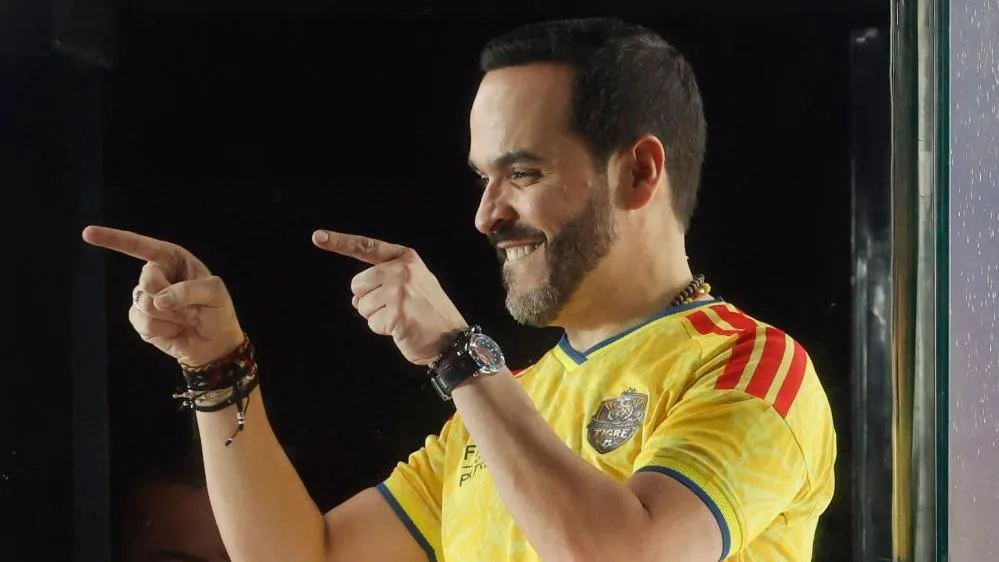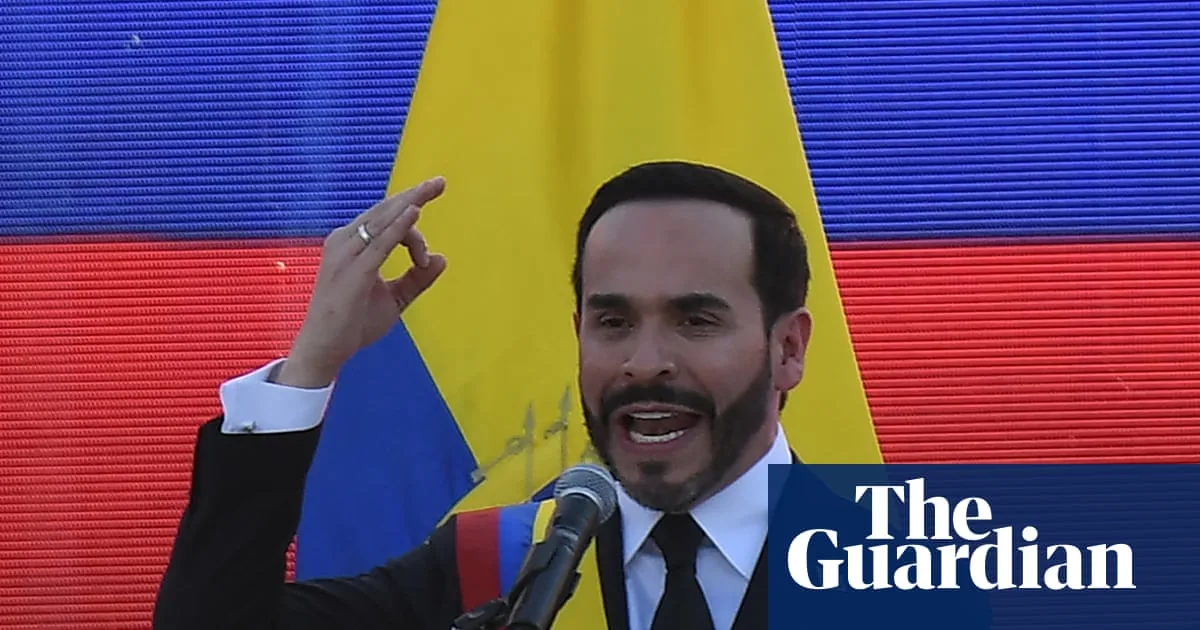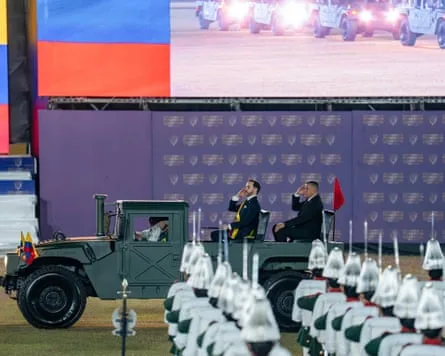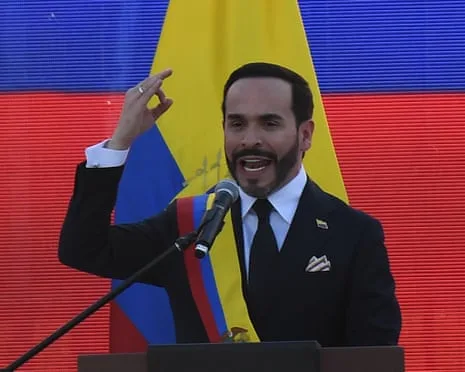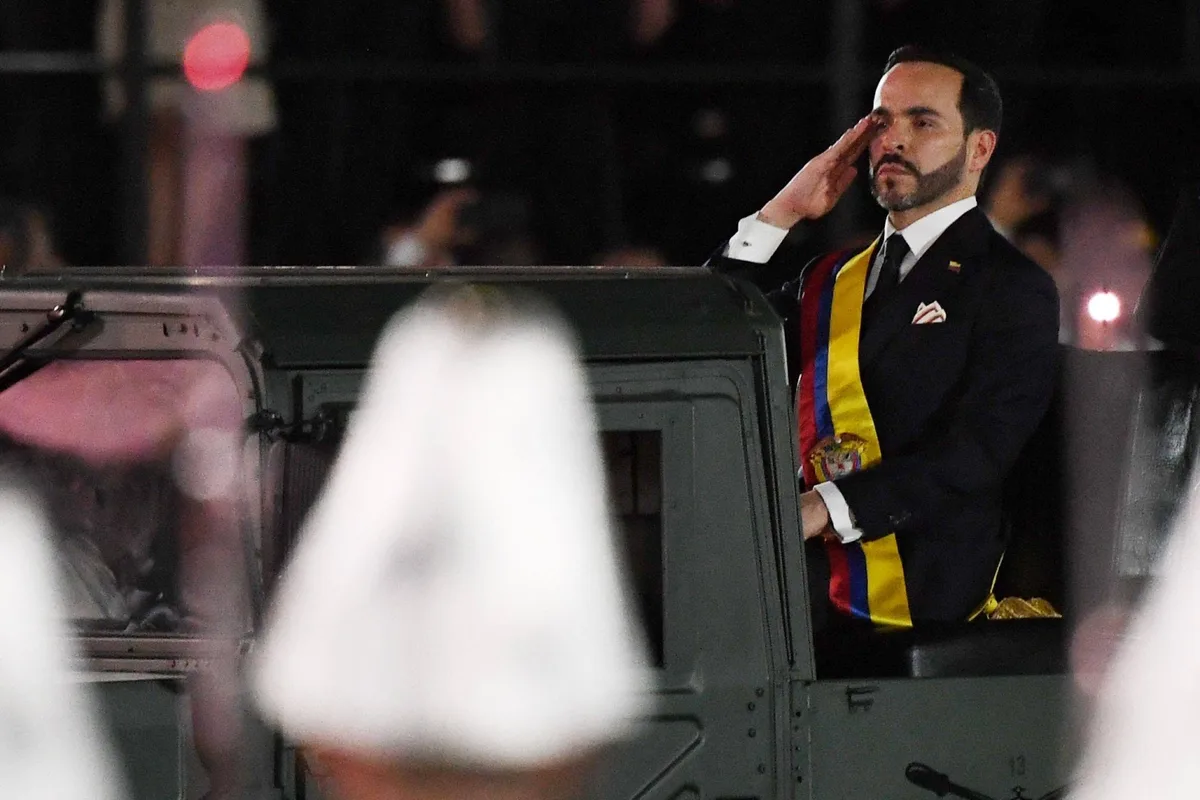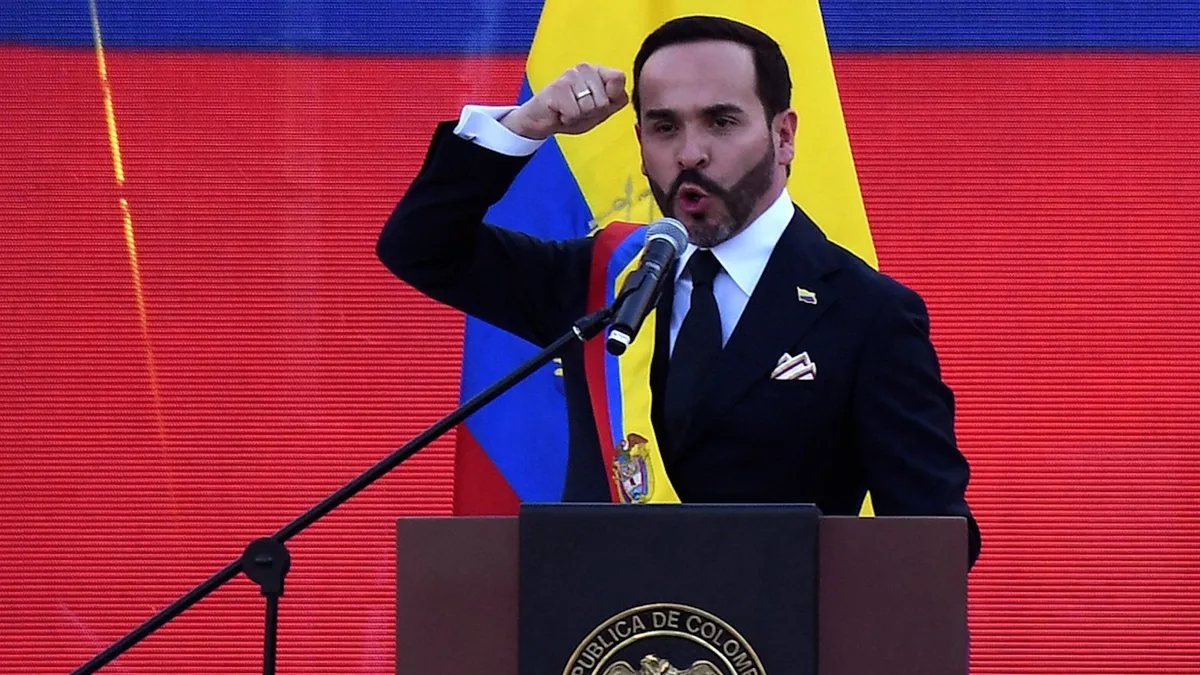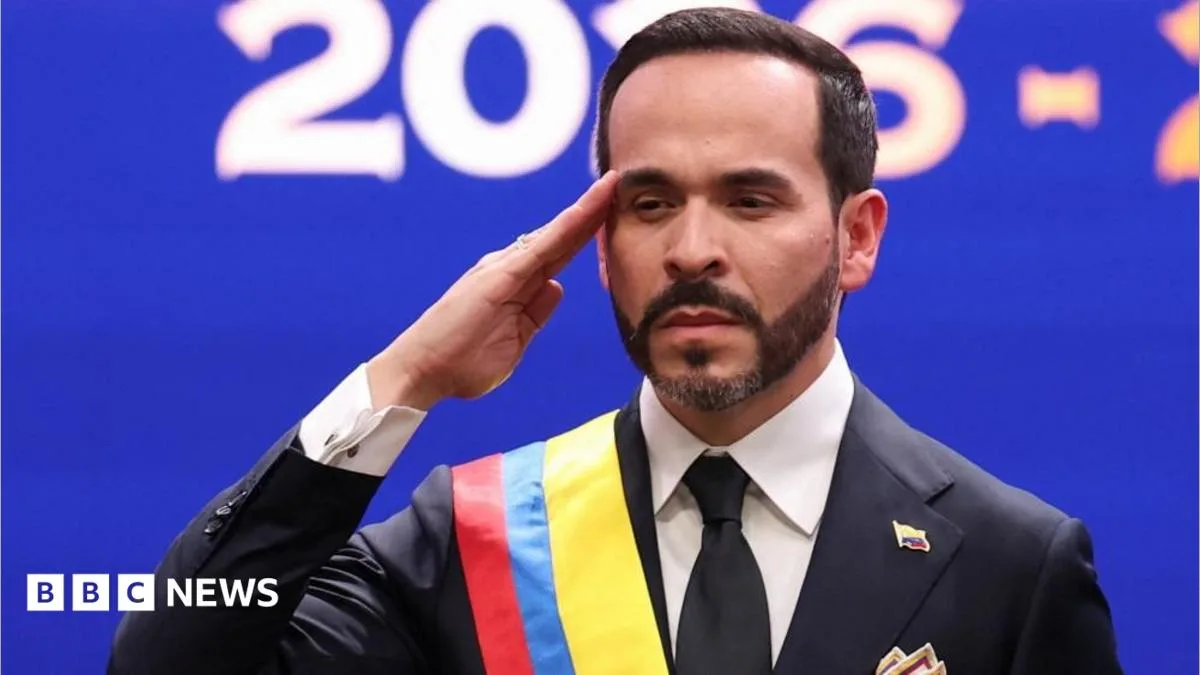
Abelardo de la Espriella, a 48-year-old right-wing lawyer and political newcomer, took office as Colombia’s president on August 7 in the southwestern city of Cali instead of the capital Bogotá, breaking tradition for security and symbolic reasons focused on conflict zones [1, 2, 3, 4, 5]. He narrowly won a June 21 runoff election against leftist Ivan Cepeda by less than 1 percentage point, succeeding outgoing president Gustavo Petro and marking a sharp ideological shift to the right [6, 2, 3, 7, 5, 8].
In his inaugural speech, De la Espriella vowed an "all-out war" on narco-terrorism, armed insurgents, and criminal gangs, rejecting peace talks. He insisted, "There will not be a single place in our territory where criminals can feel safe" and declared the option for dialogue "completely exhausted" [1, 6, 2, 3, 9, 5, 10]. Nicknamed "El Tigre," he promised to be "forceful and decisive against crime," saying, "In the age of the Tiger, the state will be forceful and decisive against crime" and committing to "crush" narco-terrorism and rebuild state authority [1, 8, 10].
His security strategy includes building mega-prisons for captured rebels and criminals and restoring order "by reason or by force" [1, 2, 5, 8]. He supports resuming aerial herbicide spraying to eradicate coca crops in a way that does not harm health or the environment [6].
De la Espriella also pledged steep austerity measures aiming to cut government spending by up to 40% and revive Colombia’s oil and gas sectors to restore economic confidence [6, 3, 7].
Diplomatically, he announced plans to strengthen military ties with the US and Israel, reversing former leader Petro’s critical stance. Colombia will join the US-led "Shield of the Americas" security partnership created during the Trump administration [1, 6, 2, 8, 10]. The US pledged $1 billion in security aid to support Colombia’s fight against organized crime and illegal immigration on the same day as the inauguration [1, 6]. De la Espriella, who holds dual US-Colombian citizenship, offered to host US troops and launch joint military operations on Colombian soil [5, 10].
The inauguration drew attendance from conservative international figures including Argentina’s Javier Milei, Ecuador’s Daniel Noboa, Chile’s José Antonio Kast, Spain’s King Felipe VI, and US Acting Attorney General Todd Blanche [2, 4, 5, 10]. Gustavo Petro did not attend and alleged election fraud without presenting evidence [2, 4, 5].
De la Espriella has a legal background representing paramilitaries, footballers, and fraudsters before entering politics [1, 7, 8]. He now faces the challenge of a divided Congress where his party lacks a majority, complicating efforts to enact his agenda [6, 5].