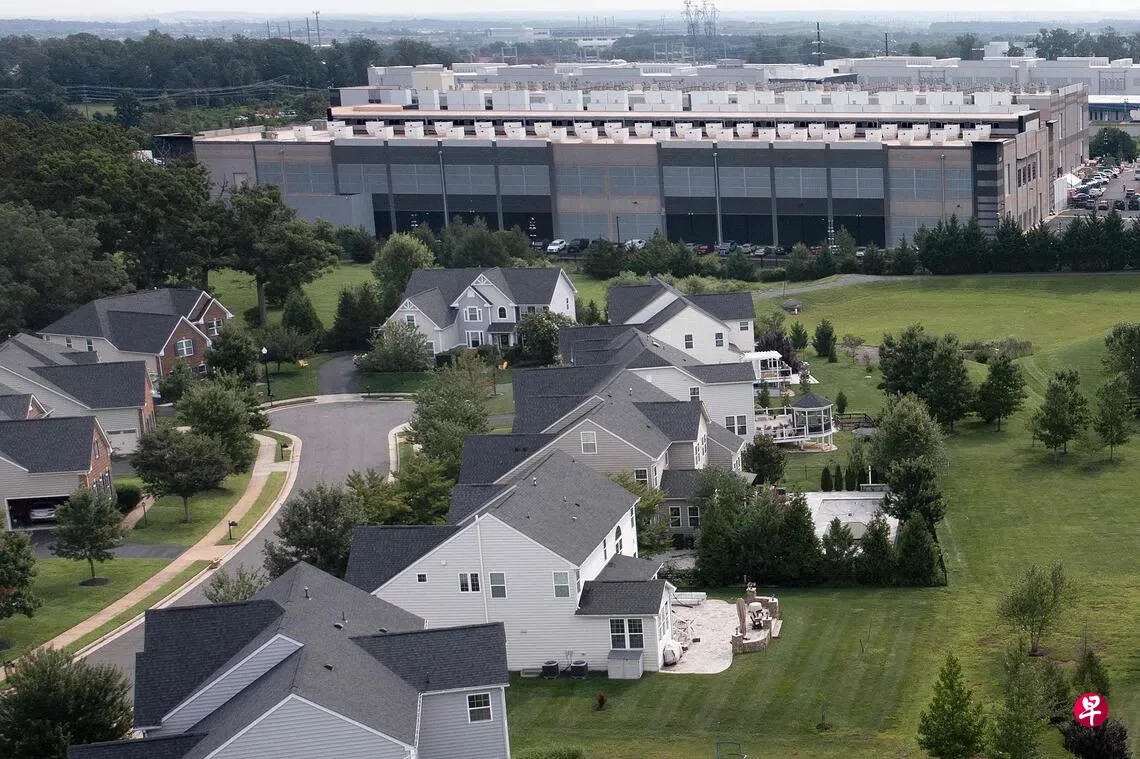
AI data centers have emerged as a central issue in the 2026 US midterm elections due to rising electricity costs and noise complaints from local communities across the country [1, 2, 3, 4]. At least 18 states feature 21 election campaigns with TV ads referencing data centers, with both Democratic and Republican candidates nearly equally involved [1, 2, 3].
Data center electricity demand has driven capacity costs on power grids in 13 states up by $9.3 billion, a 174% increase in just one year. This includes key Senate battleground Ohio [1, 2, 3]. The surge has fueled concerns over stretched infrastructure and higher utility bills.
Texas Governor Greg Abbott, a Republican, has halted new data center projects while evaluating their impact on electricity and water supplies, despite previously marketing Texas as an "AI development hub" [1, 2, 3]. According to reports, some Texas facilities reach power sizes of 17 megawatts, which has caused local noise complaints [1, 2, 3].
Both Democrats and some Republicans have taken a tougher stance, calling for data center operators to cover their power costs and pausing new construction [1, 2, 3]. Polls show 70-75% of Americans oppose building AI data centers near their communities, citing fears of rising utility bills and noise pollution [5].
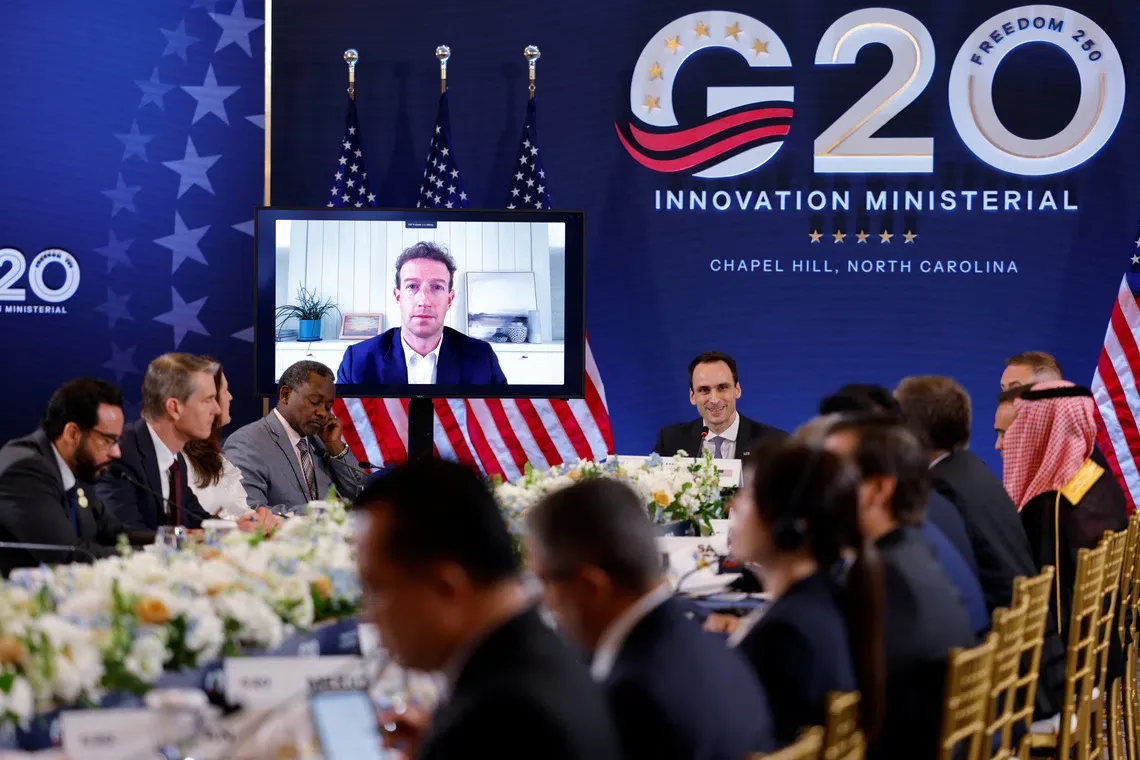
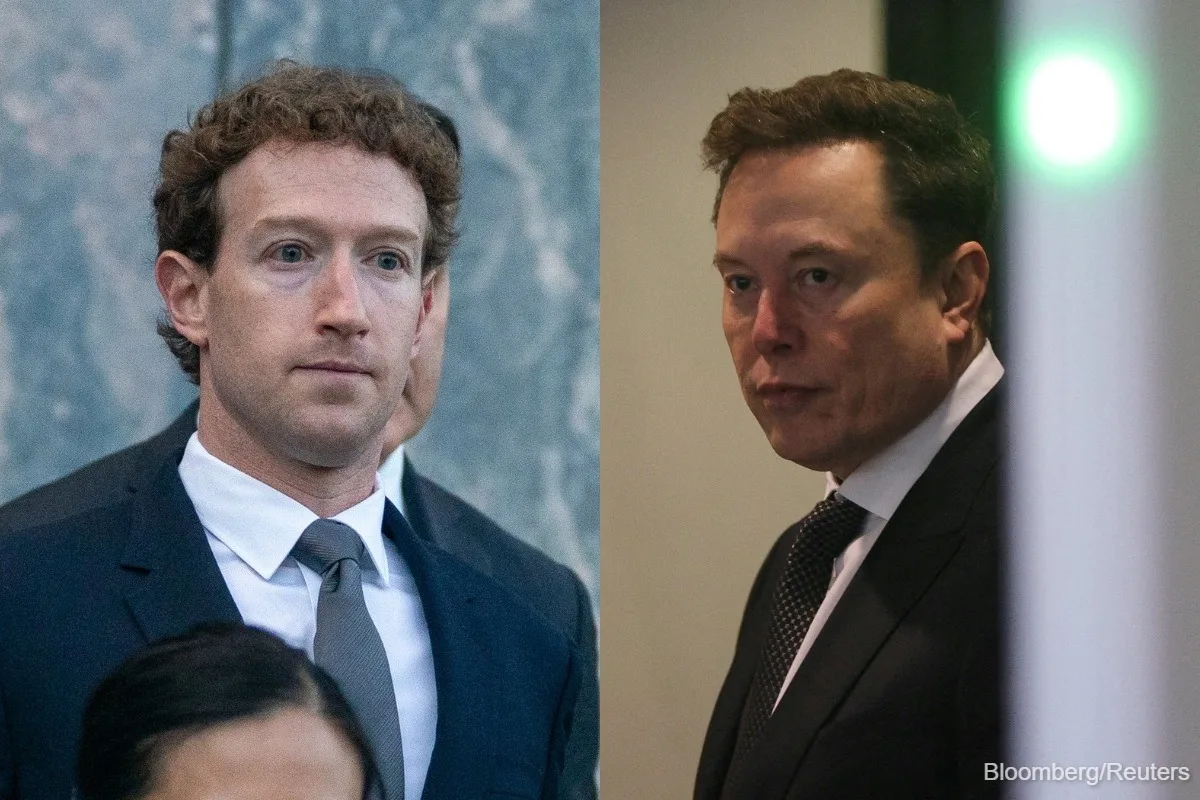
Still, prominent tech leaders and some political figures push for expansion. Meta CEO Mark Zuckerberg and Tesla/SpaceX CEO Elon Musk urged more AI data centers and expanded electricity infrastructure at a recent G20 meeting. Zuckerberg said Meta struggles to find enough skilled tradespeople to build data centers [6], while Musk warned, "There will be a significant power shortfall next year, not [the] distant future" [6]. Musk also said the AI buildout is "giving China the advantage" [5].
Former President Donald Trump continues to support AI data centers as crucial to outpacing China. On August 27, he defended the projects publicly and called opponents "backwards and poor" [1, 6, 7, 8, 5]. His spokesperson said, "The US must maintain leadership in this AI race. The President certainly understands this" [1].
Google DeepMind CEO Demis Hassabis highlighted AI’s potential economic impact, stating, "If we achieve human-level AI, it will unleash ten times the impact of the Industrial Revolution... but we’ve got to do that in a responsible way" [6]. Musk has projected a 20-30% global economic growth increase due to AI, potentially adding $20-30 trillion annually [6, 7, 8, 5].
As the US holds the rotating G20 presidency this year, the country is hosting ministerial meetings ahead of the leaders’ summit in December [6, 7, 8, 5]. The G20 talks continued on September 2 with AI chipmaker Nvidia CEO Jensen Huang and OpenAI CEO Sam Altman participating [5, 9].