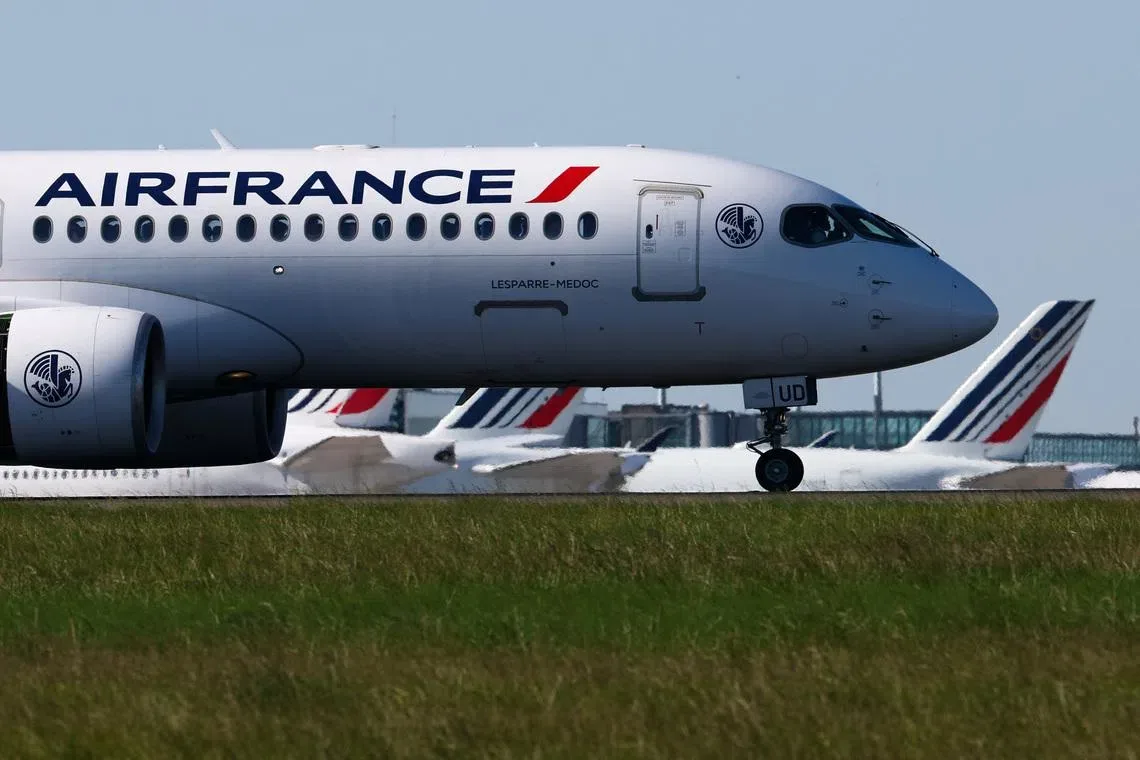
An Air France flight from Paris to Detroit was diverted to Montreal on May 20 after US Customs and Border Protection (CBP) denied it permission to land due to Ebola-related entry restrictions [1, 2, 3, 4].
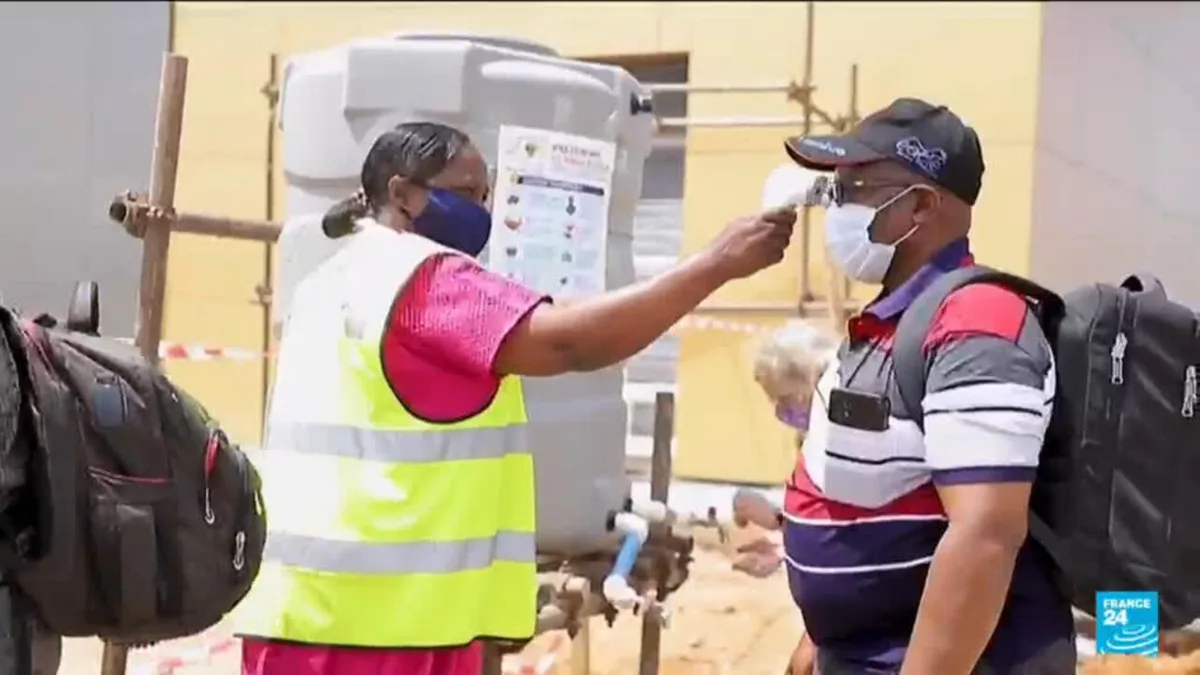
The passenger in question had recently traveled from the Democratic Republic of Congo (DRC), a country affected by the ongoing Ebola outbreak. US restrictions bar non-citizens who have been in Congo, Uganda, or South Sudan within the previous 21 days from entering the country [1, 2, 3, 4]. A CBP spokesperson said, "Due to entry restrictions put in place to reduce the risk of the Ebola virus, the passenger should not have boarded the plane" [1].
The Ebola outbreak involves the Bundibugyo virus, which spread undetected for weeks before the first confirmed death. The World Health Organization (WHO) declared the outbreak a public health emergency of international concern on May 17 [2, 3, 4]. WHO Director-General Tedros Adhanom Ghebreyesus said, "WHO assesses the risk of the epidemic as high at the national and regional levels and low at the global level" [3].
As of May 20-21, there are nearly 600 suspected cases of Ebola and 139 suspected deaths reported, with 51 confirmed cases in the DRC and 2 confirmed cases in Uganda [1, 3, 4].
The US government implemented temporary travel restrictions effective May 18, barring non-US citizens who have been in the outbreak countries within 21 days, though American citizens and US service members are exempt. Flights carrying foreign travelers from these countries must land at Washington-Dulles International Airport for enhanced screening [1, 2, 3]. The US Department of Homeland Security (DHS) issued a notice May 21 to enforce these landing rules [1, 2].
After the Air France flight was denied entry to Detroit, it landed in Montreal where the passenger from the DRC was removed. It has not been confirmed that the passenger was infected with Ebola [4].
Satish Pillai, CDC Ebola response lead, said, "Currently, the risk to the United States remains low because Ebola is not spread through casual contact and because monitoring and infection control measures are in place" [3].
The temporary US Ebola entry restrictions are in effect for 30 days starting May 18 and may be extended based on developments [1, 2, 3].