An American tourist died after being struck by lightning while hiking Mount Etna in Sicily, Italy, on Sunday, August 16, 2026 [1, 2, 3, 4, 5]. The victim was found by firefighters around 8 p.m. local time (18:00 GMT) in cardiac arrest and airlifted to a hospital in Catania, where he was pronounced dead on arrival [1, 3, 4, 5].
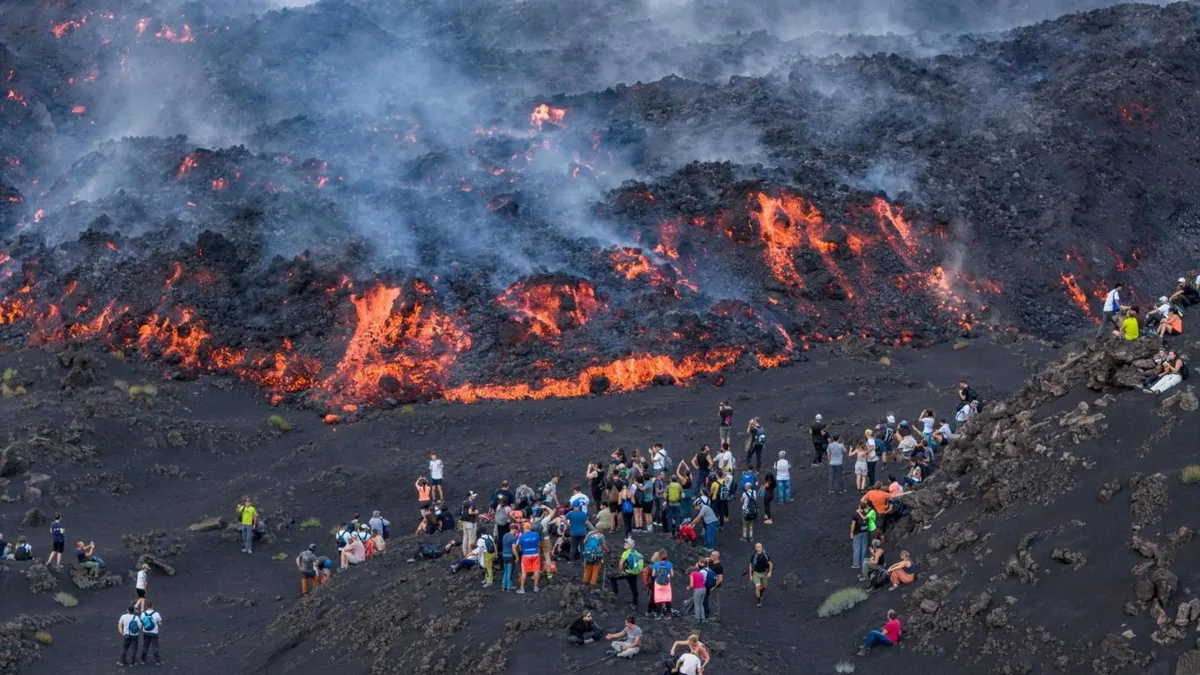
Sources describe the man as being in his late 20s or early 30s; some say he was 29 years old from Kansas, while another reports he was in his 30s from Texas [1, 2, 3, 4, 5]. He was hiking in an area restricted due to recent increased volcanic activity on Mount Etna, Europe’s tallest active volcano at 3,324 meters elevation [1, 2, 3, 4, 5]. While some reports place the victim near or above the tree line in a restricted area, others say he was found around 1,000 feet altitude in the Rocca Capra area [1, 2, 3, 4, 5].
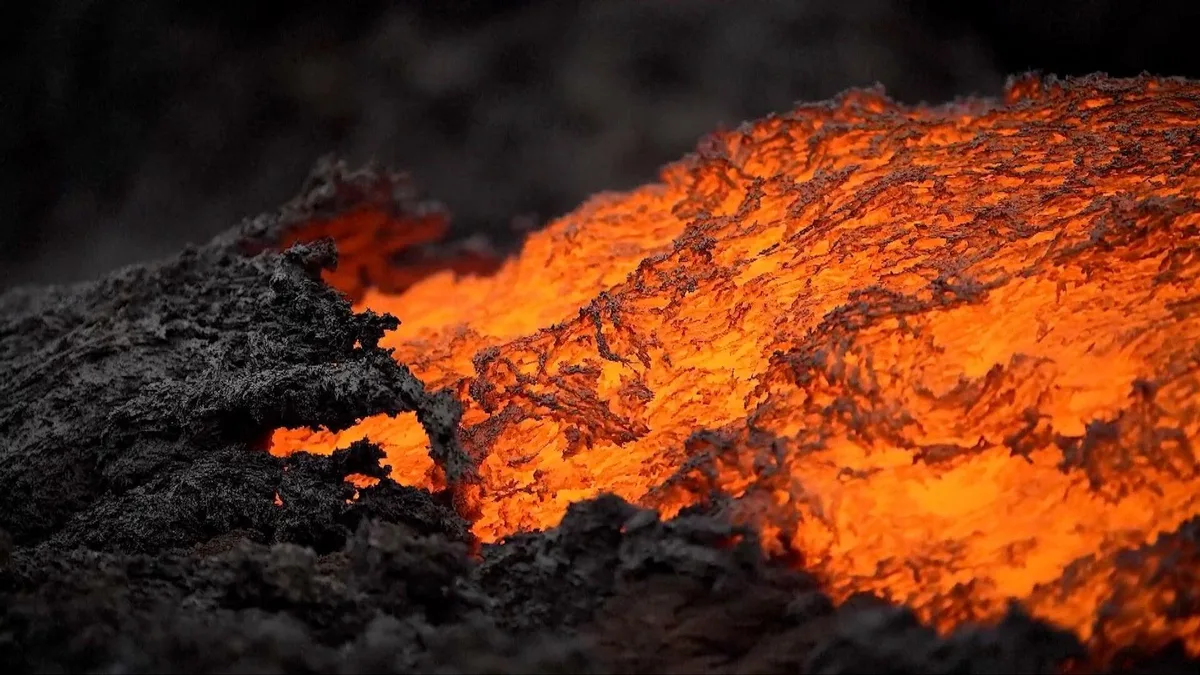
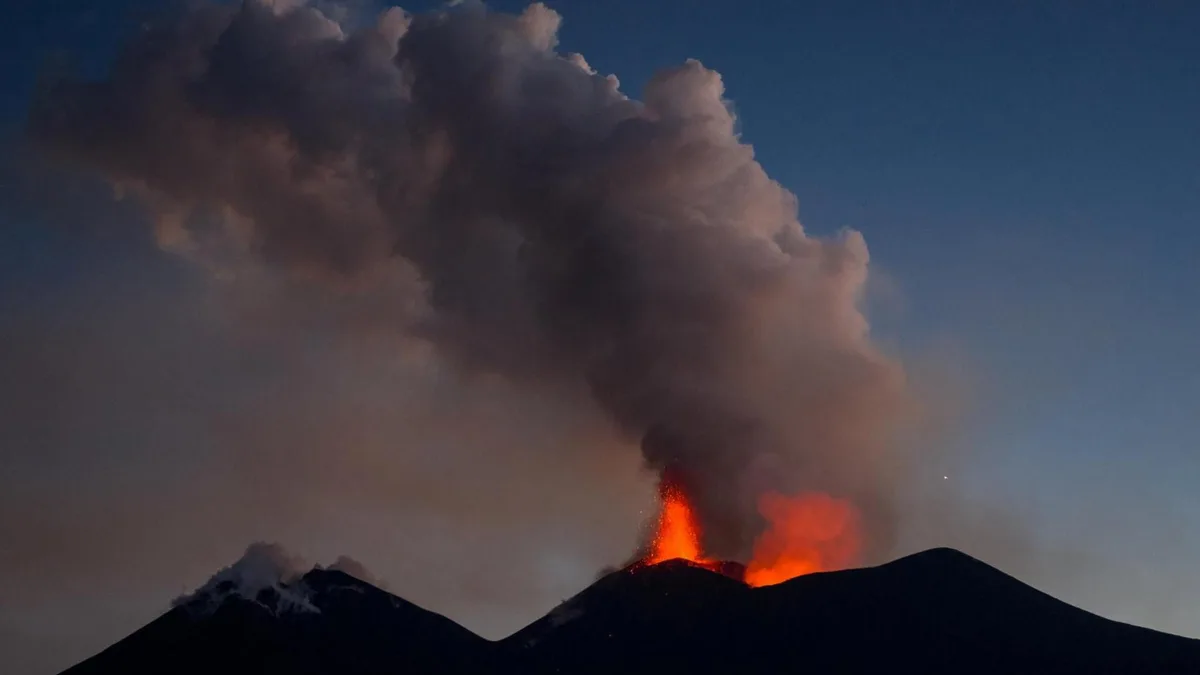
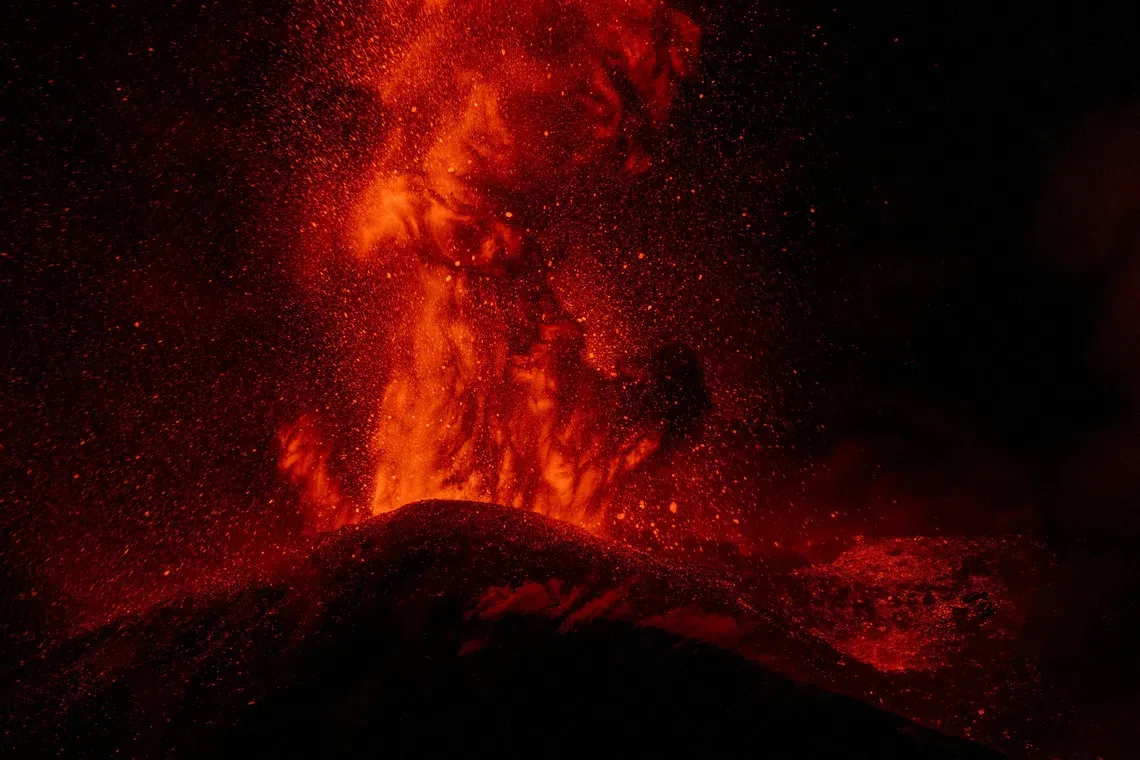
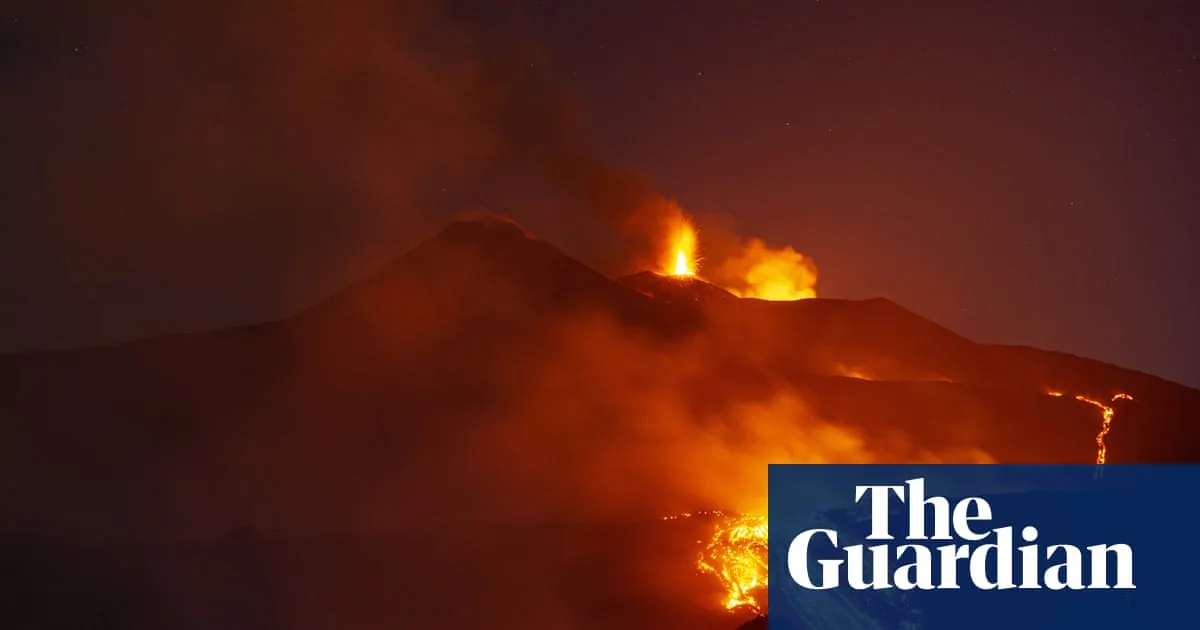
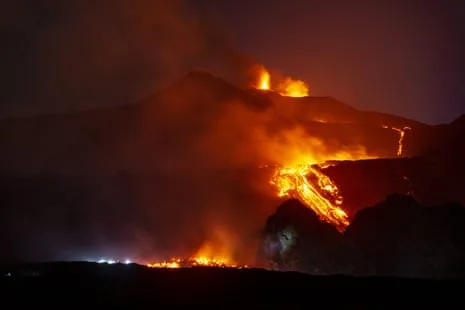
Mount Etna has experienced ongoing eruptions in recent weeks, causing ash clouds that disrupted hundreds of flights at Catania International Airport and forced rerouting [1, 2, 3, 4, 5]. Despite the volcanic hazards, more fatalities on Etna in recent decades have resulted from lightning strikes than from eruptive activity, with the last eruption-related deaths recorded in 1987 [2, 4, 5].
The rescue effort involved firefighters locating the man in cardiac arrest and helicopter evacuation to the hospital [1, 3, 4, 5]. Authorities have repeatedly cautioned against hiking in restricted zones amid volatile volcanic conditions.
Mount Etna continues to show active volcanic behavior, and local warnings remain in effect for hazardous areas near the volcano's summit. Emergency services urge visitors to follow safety guidelines and avoid off-limit zones while the situation evolves [1, 2].