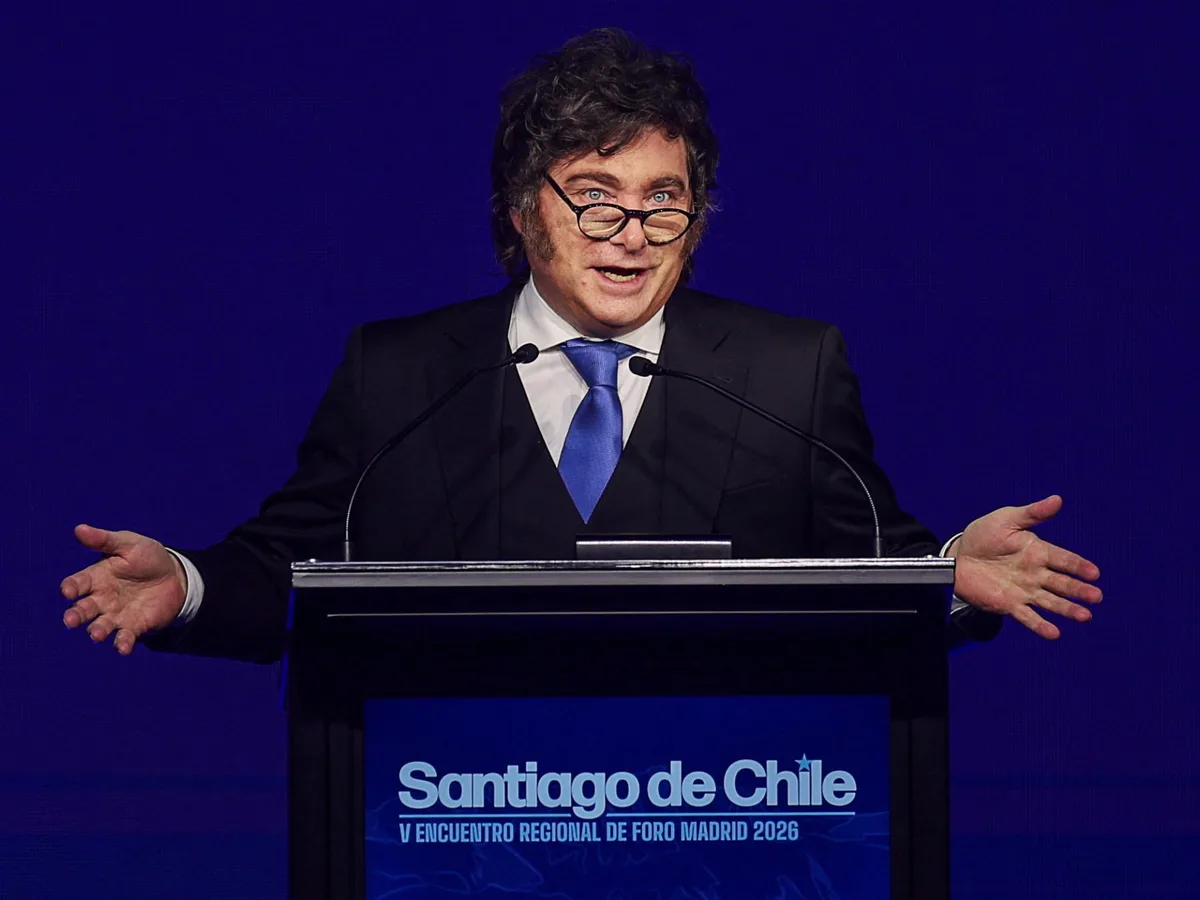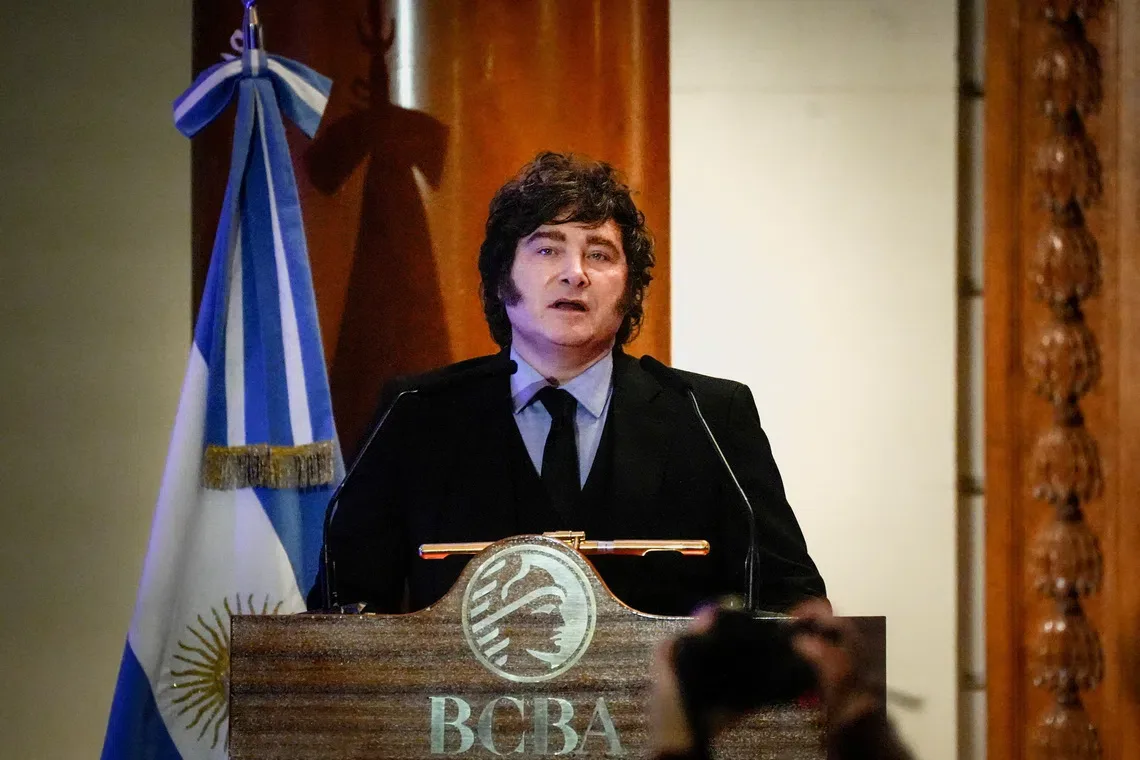
Argentine President Javier Milei announced tighter sanctions on companies involved in oil and gas extraction near the Falkland Islands, including British Rockhopper Exploration and Israeli Navitas Petroleum, operators of the Sea Lion offshore oil project located about 220 kilometers from the islands [1, 2, 3, 4, 5]. He signed an executive decree to accelerate sanctions and bar companies, shareholders, directors, and suppliers involved in unauthorized projects around the Falklands from operating within Argentina [1, 4, 5].
Milei also revealed plans to establish a naval base in Tierra del Fuego province to increase Argentina’s military presence near the islands [1, 2]. He pledged to submit urgent legislation to Congress aimed at toughening penalties and revising the legal framework related to national sovereignty and unauthorized exploitation in the Falklands zone [1, 4, 5].
The Sea Lion project is set to begin drilling and production around 2028, raising Argentine objections as it sees the operation as illegal extraction on disputed territory [1, 2, 3, 4, 6, 5]. Milei described the project as an imminent threat and said, “If we do not act firmly and swiftly today, in a few months they will have the capacity to appropriate the oil reserves that lie beneath our sea” [5]. He declared, “We will continue to bar from operating in Argentine territory companies involved, directly or indirectly, in projects in the (islands) without Argentine authorization” [1].
Milei cited recent hints from US President Donald Trump about a potential shift in US policy on Falklands sovereignty. Trump questioned US support for Britain over the dispute, linking it to UK’s lack of support for US actions in the Iran war. Milei called a reconsideration of US neutrality a potential "game-changer" supporting Argentina’s claim and said, "The United States is considering this change in position because it knows that Argentina has a reliable partner, aligned with Western values, in a strategically important position that can be a valuable ally in the decades to come" [7, 2, 8, 3, 6, 5].
Trump’s remarks included criticism of the UK’s refusal to send ships in past conflict: "Your country was not there to help me. We didn’t need help, but I did ask Nato, and I asked your former leader [Keir Starmer], ‘why don’t you send a couple of ships?’. He said, ‘We don’t have any’. It was pretty sad, the whole thing." [7]. However, US officials have not formally changed their stance and continue to recognize UK administration, leaving Trump’s comments as ambiguous signals rather than official policy [7, 3].
UK Defence Minister Wes Streeting reaffirmed the UK's sovereignty over the Falklands and commitment to the islanders, stating, "The Falklands are British because Falkland Islanders choose to be British. Our commitment to the Falklands is absolute and unshakeable" [3, 4].
Separately, Argentine war veterans and environmental groups filed a lawsuit to halt the Sea Lion oil project, citing a United Nations resolution urging restraint around the islands [4, 6].
President Milei’s approval rating currently stands at 34% amid these tensions [6]. The situation remains fluid as Milei continues pressing Congress this week to pass sovereignty legislation and speeds up sanctions enforcement.