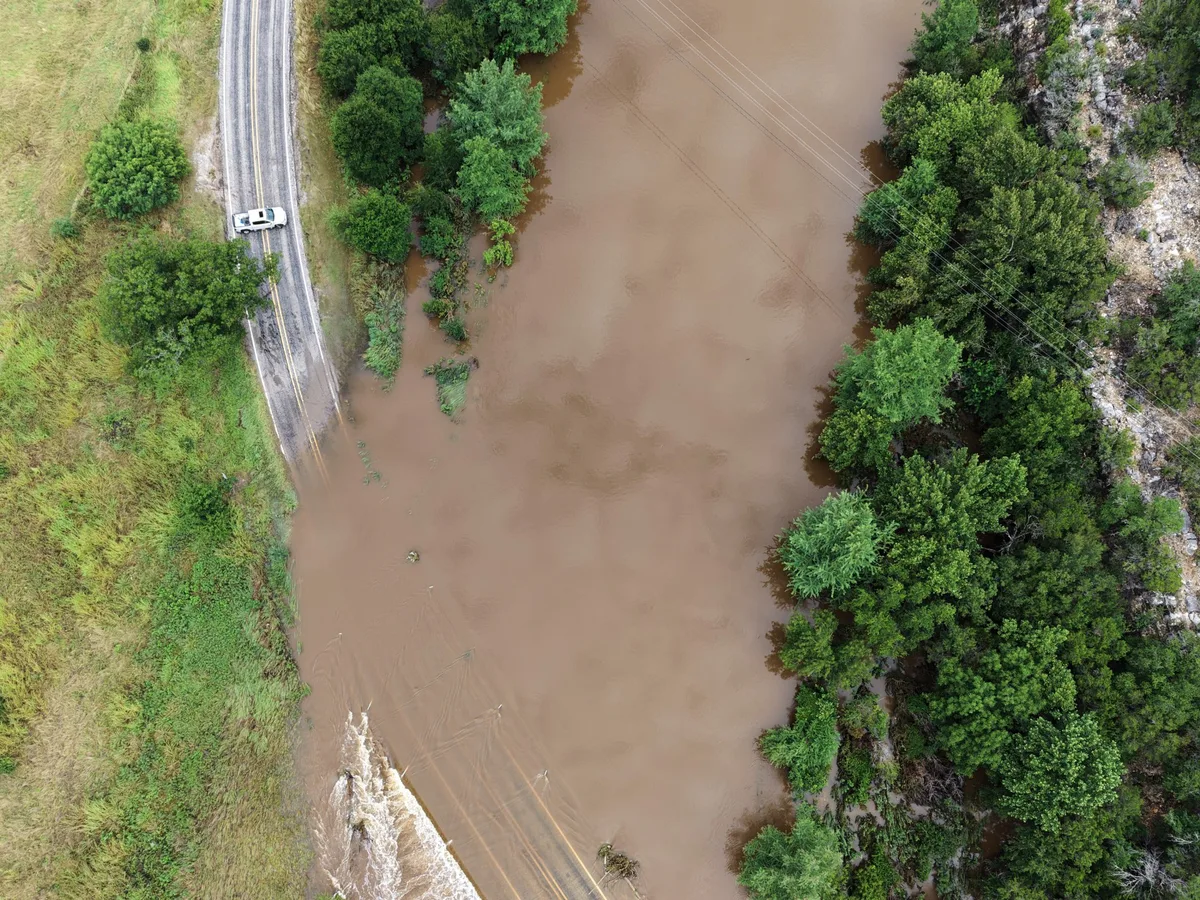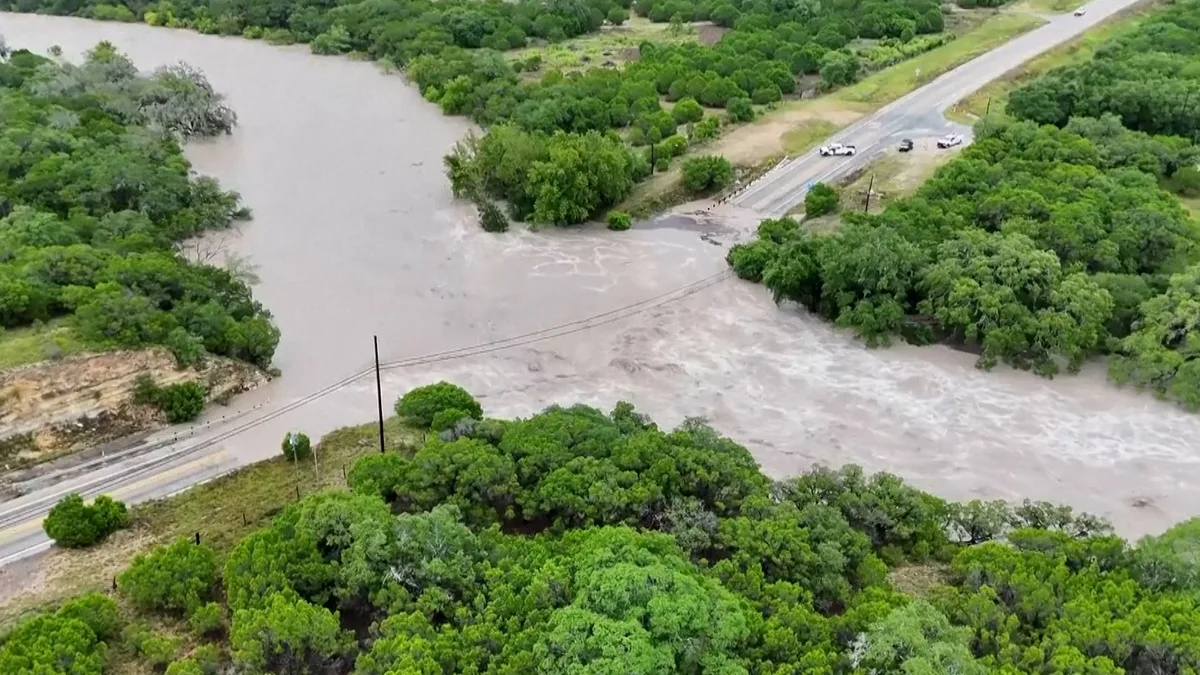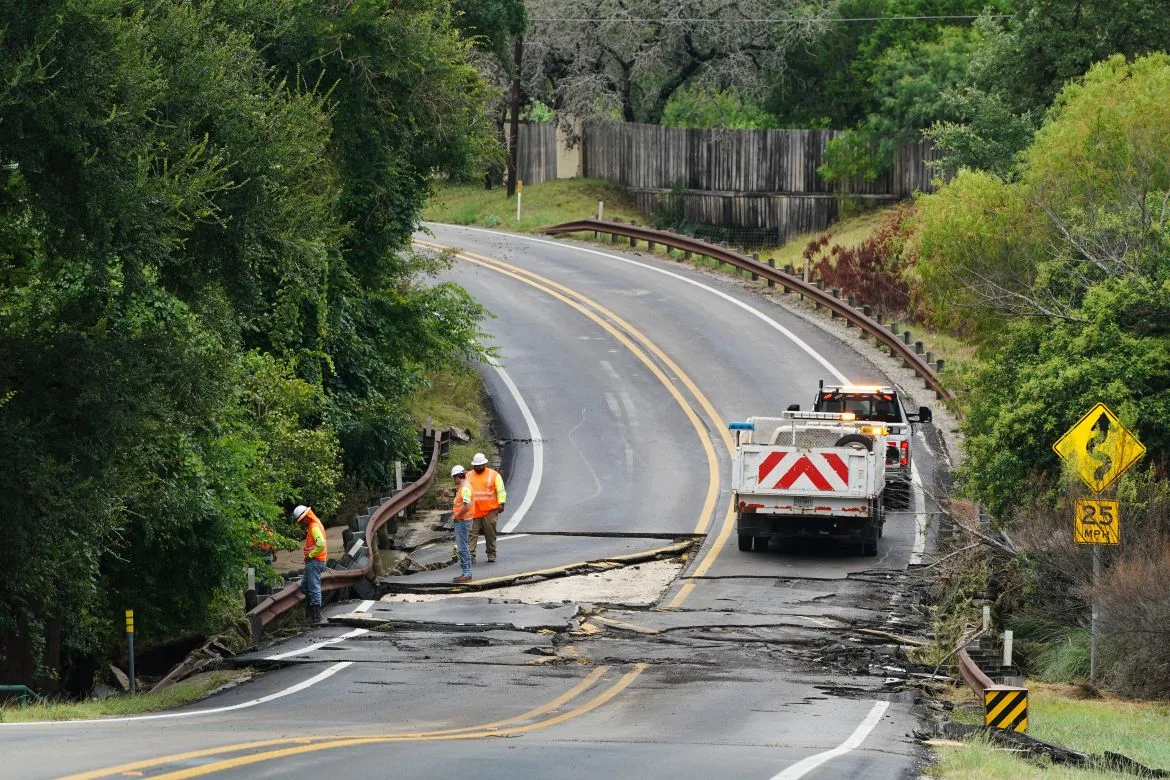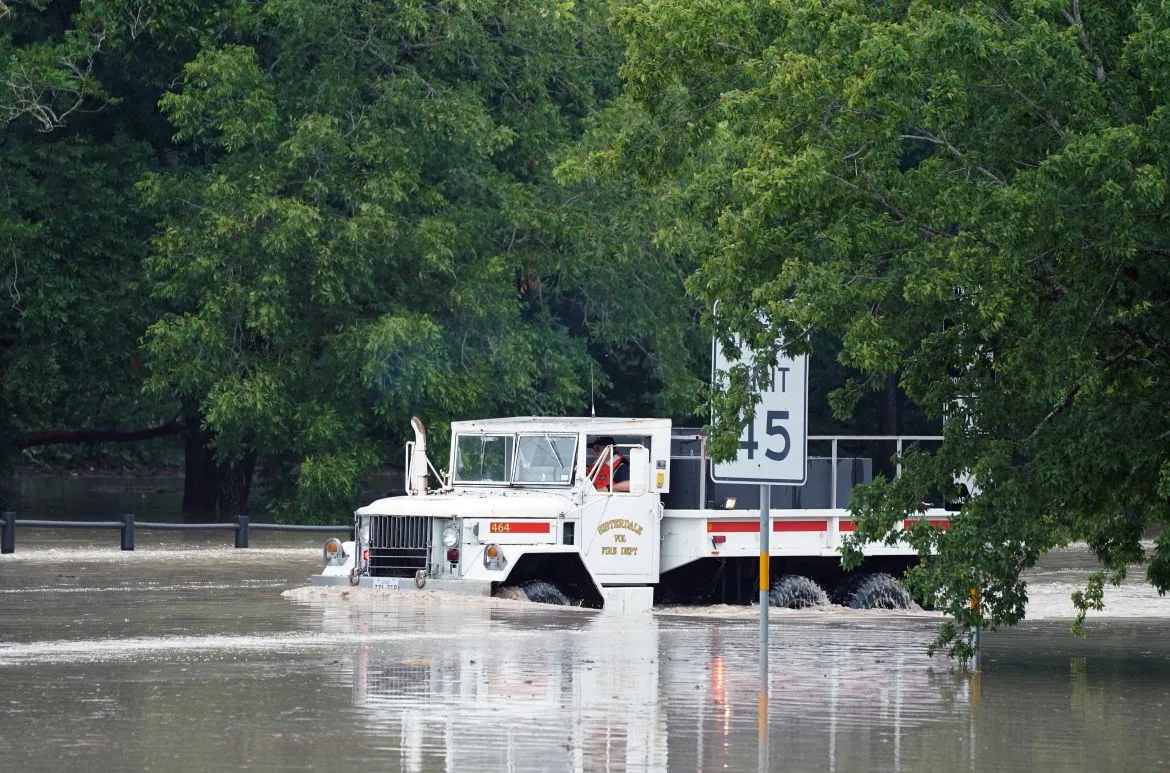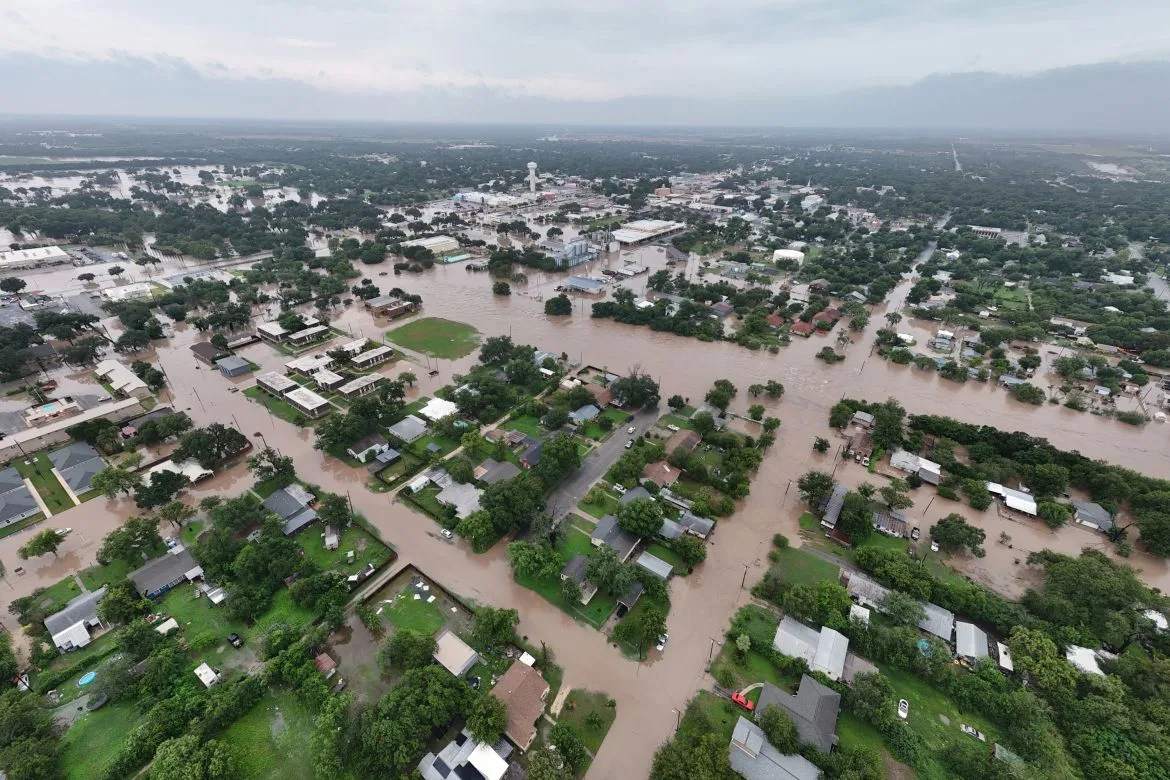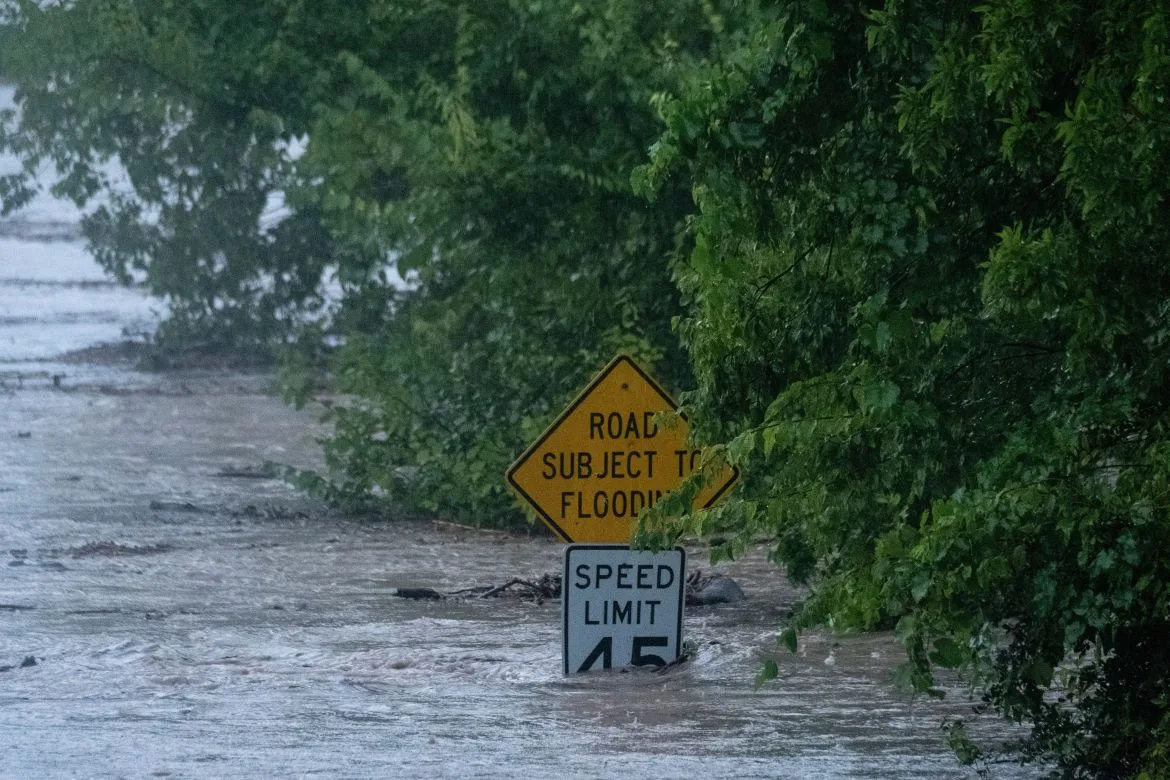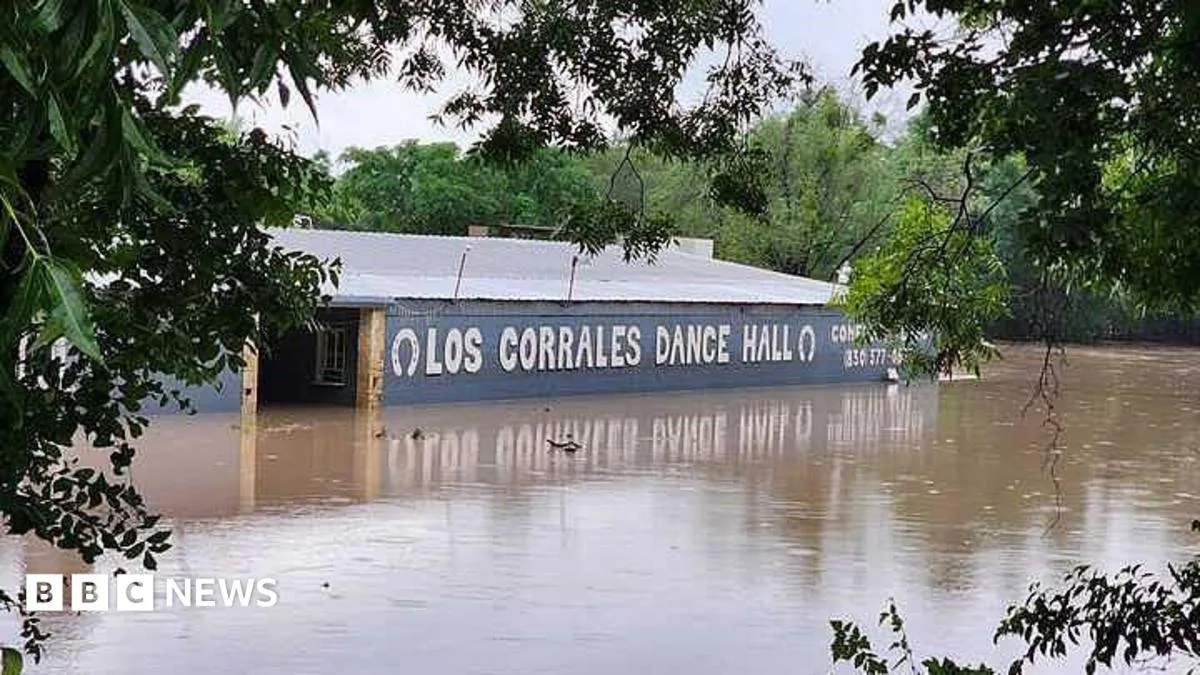
At least two people have died in flash floods that struck central Texas in mid-July 2026, including a man swept away in a recreational vehicle and a woman swept away while driving [1, 2, 3, 4]. More than 200 people were rescued by emergency crews using boats, helicopters, and other equipment in the affected area [2, 3, 4].
Floodwaters rose rapidly along the Guadalupe River and Nueces River in Texas Hill Country, the same region devastated by deadly flash floods on July 4, 2025, which killed over 130 people [5, 1, 4]. The Guadalupe River rose by more than 30 feet in a matter of hours, causing widespread flooding across multiple counties including Uvalde, Kerr, Kendall, and Kerr County [5, 4]. Authorities imposed road closures and mandatory evacuations to protect residents [5, 1, 3, 4].
Governor Greg Abbott declared a disaster for 59 counties and mobilized over 2,350 emergency responders, including the Texas National Guard, to assist in rescue and relief operations. Abbott said, "We are dealing with and responding to a flood that is likely going to break records" [1, 3, 4].
The heavy rainfall began around July 14 and continued through at least July 17, with some areas experiencing up to 60 centimeters (2 feet) of rain, contributing to record-breaking flooding [3, 4]. Kerrville resident Josiah Rodriguez noted improvements, saying, "Last year there was no warning of it. This year, a lot more alerts have gone into place, a lot more safety measures" [4]. The state implemented new flood warning systems including sirens and funding for alert technologies following last year's disaster [3, 4].
Camp Mystic, an all-girls summer camp near Kerrville that suffered 25 deaths in last year's floods, did not reopen this year and filed for bankruptcy [5, 3].
Officials continue rescues and damage assessments as recovery efforts proceed. The disaster declaration remains in effect for all 59 counties involved, with ongoing coordination of emergency response teams [1, 3, 4].