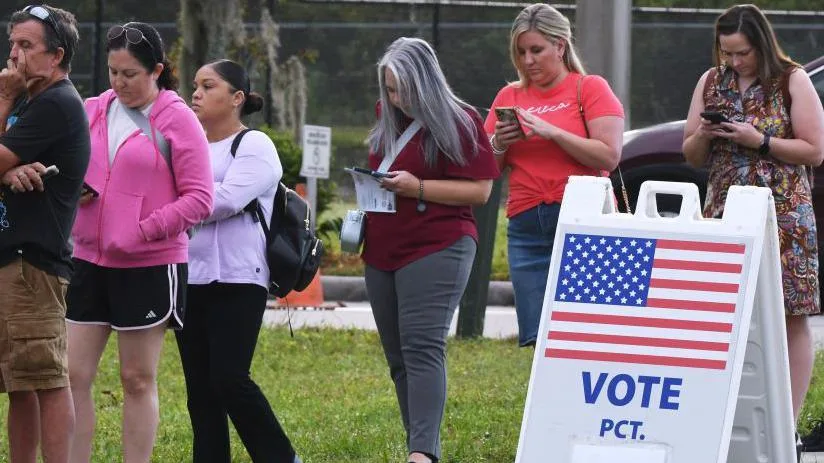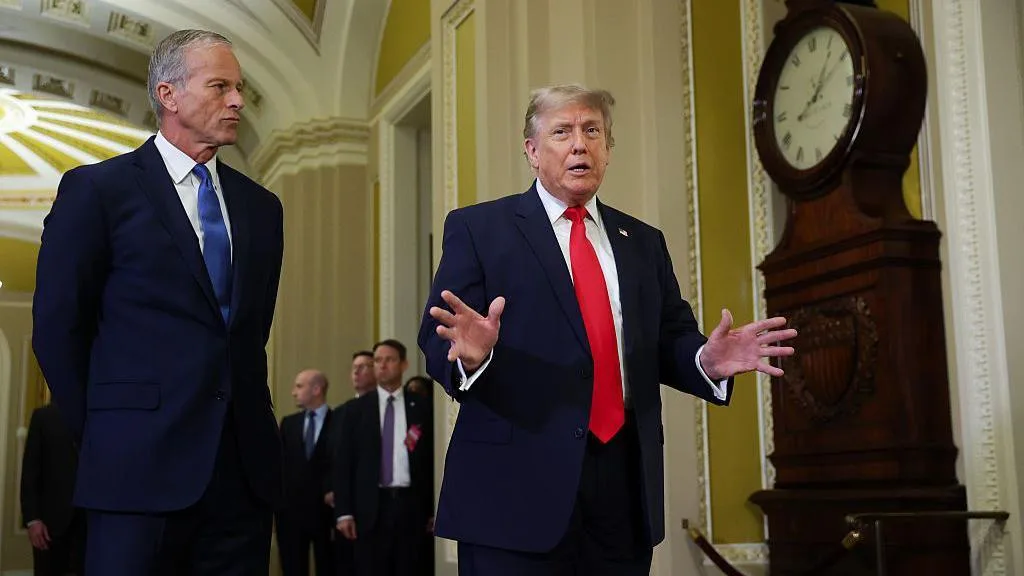
The 21st Century ROAD to Housing Act, a bipartisan bill designed to lower housing costs and increase supply, became law on July 12, 2026, without President Donald Trump's signature after the 10-day window elapsed [1, 2, 3]. Trump declined to sign the legislation in protest of the Senate’s failure to pass the SAVE America Act, a voting rights bill that would require proof of U.S. citizenship and government-issued photo ID for federal elections [1, 4, 5, 6, 7, 3]. The president said, "I will not sign the Housing Bill, which has been fully approved by Congress and sent to the White House, in PROTEST over the fact that the United States Senate is not capable of passing THE SAVE AMERICA ACT" [5].
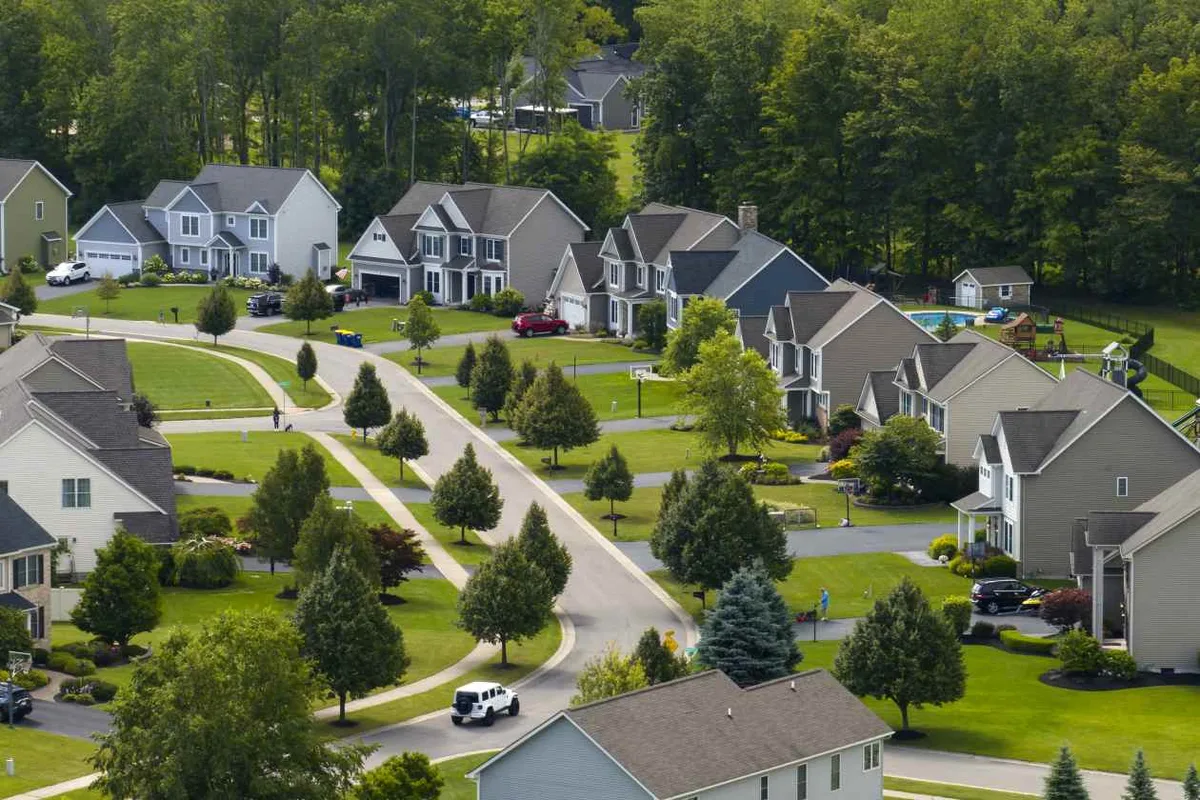
The housing bill passed the Senate by a commanding 85-5 vote and the House by either 358-2 or 358-32, reflecting rare bipartisan consensus in a polarized Congress [4, 5]. It aims to speed environmental reviews, restrict large investors from buying single-family homes, promote more home and modular housing construction, and convert underused land to residential use [4, 5, 2, 7, 3]. These measures respond to the ongoing housing affordability crisis as the U.S. median home price hit a record $440,600 in June 2026, with mortgage rates around 6.49% [4, 7]. A Bipartisan Policy Center poll found strong voter support, with 89% favoring congressional action on housing affordability and 70% backing limits on institutional investors buying homes [1, 4]. Dennis Shea of the Bipartisan Policy Center called the bill "a genuine milestone... Getting Congress to move on housing supply and affordability has been a long time coming" [1].
Trump used the bill’s signing window as leverage to push Republicans to pass the SAVE America Act before the November midterms, warning that its failure was "a serious threat to any politician who votes against it" [1, 4, 7, 3, 5]. The SAVE America Act provisions for proof of citizenship and voter ID have drawn criticism from voting rights groups as potentially disenfranchising millions [5, 6]. Trump’s refusal to sign the housing bill drew rebuke from Democrats. House Minority Leader Hakeem Jeffries said Republicans "would rather make it harder to vote than easier to afford a home" [7]. Senate Minority Leader Chuck Schumer accused Trump of saying the housing crisis was "a big yawn" and said his priorities were "higher costs for families and more power for himself" [7].
If Trump had vetoed the housing bill, Congress had sufficient votes to override the veto [5, 3]. The legislation became law automatically when Trump took no action by midnight on July 12, 10 days after House Speaker Mike Johnson sent the bill to the White House on June 29 [5, 3]. The next major congressional deadline is the November midterm elections, where passage of voting legislation remains unsettled.