The United States designated Brazil’s two largest criminal groups, Primeiro Comando da Capital (PCC) and Comando Vermelho (CV), as terrorist organizations on May 28 [1, 2, 3]. US Secretary of State Marco Rubio announced the designation, labeling the groups as "specially designated global terrorists" and stating plans to add them to the foreign terrorist organizations list by June 5 [2]. The move freezes all US-based assets linked to the gangs and allows penalties against those providing material support [2].
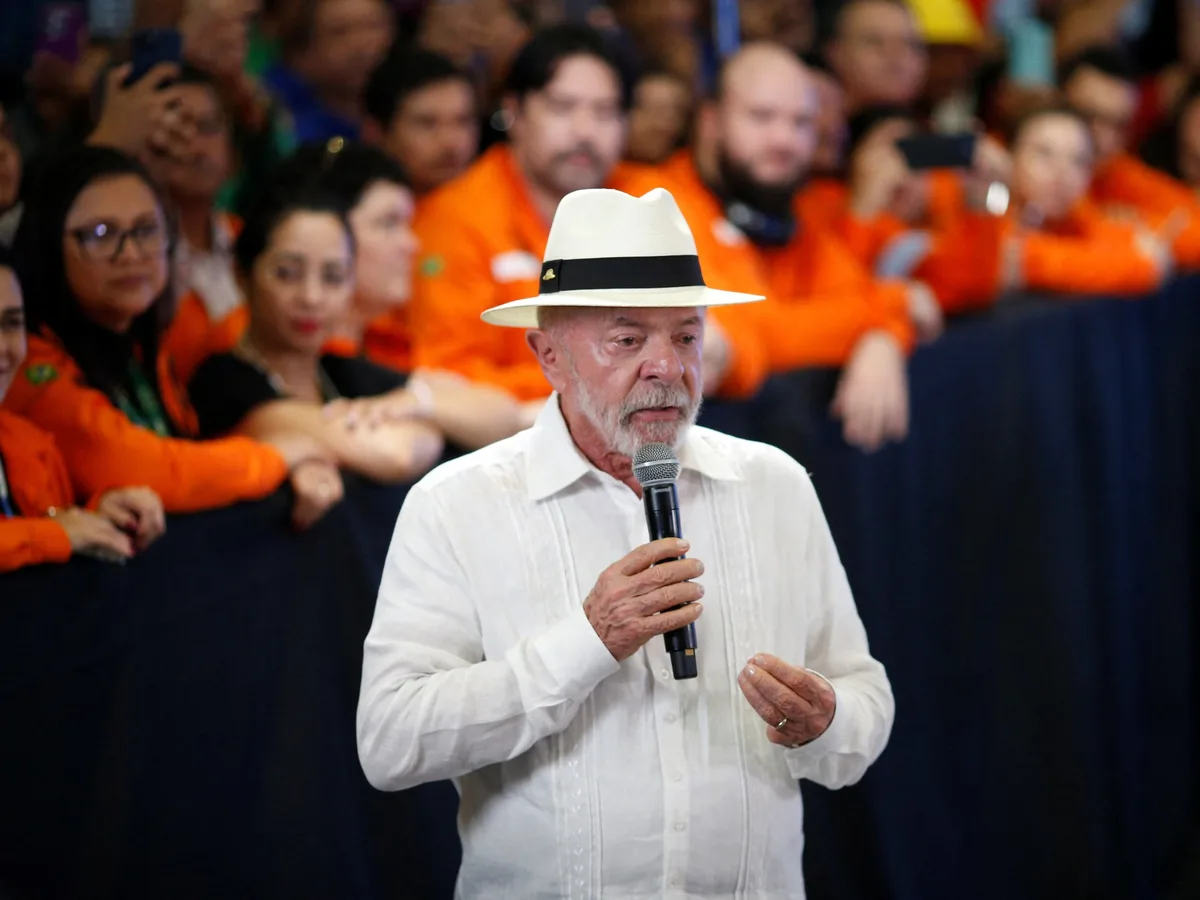
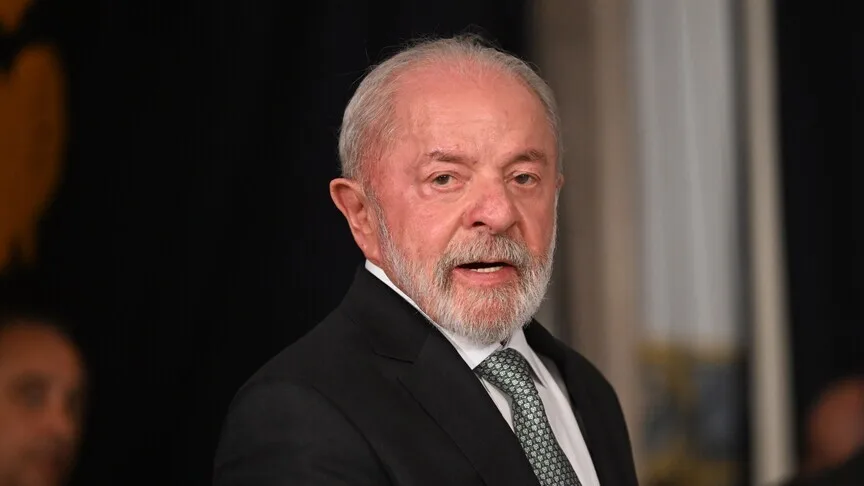
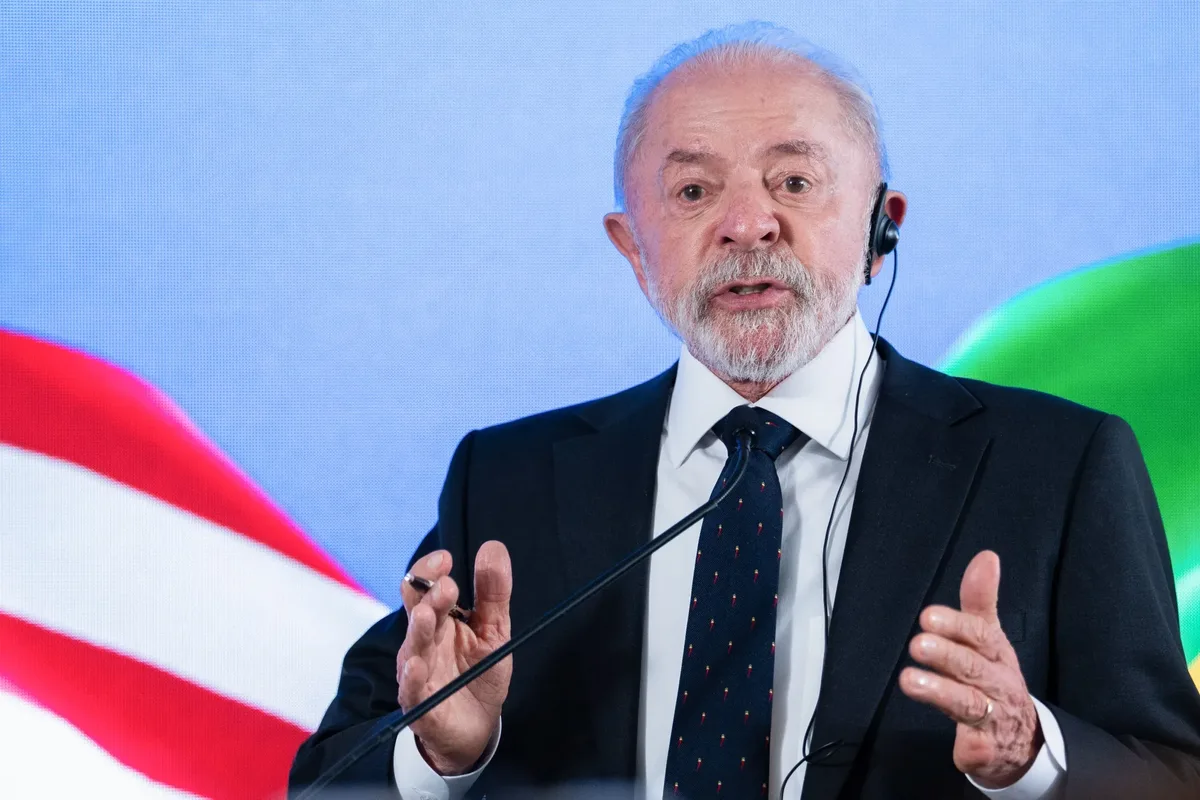
Brazilian President Luiz Inácio Lula da Silva strongly rejected the US action on May 29. He described it as an arbitrary external interference that threatens Brazil’s sovereignty and damages efforts to combat drug trafficking [1, 2, 3]. Lula emphasized a distinction between the criminal gangs’ activities—drug and arms trafficking aimed at profit—and international terrorism, which he said involves ideological, political, or religious motives. "The terror inflicted by these organisations upon communities seeks to generate profit through crime — specifically through drug and arms trafficking. Those activities, however violent, must not be conflated with the ideologically, politically, or religiously motivated actions characteristic of international terrorism," he said [2].
The president accused his political opponent, Senator Flavio Bolsonaro, of seeking US intervention in Brazil’s affairs by visiting Washington just before the designation was announced [3]. Lula added, "We won’t accept being treated like children. We won’t accept being treated as if we were some second-rate country." He warned against political manipulation of public safety, saying, "The safety of our people is too important to be politically manipulated by traitors who try to confuse these issues" [3].
Brazil’s Ministry of Foreign Affairs issued a diplomatic note criticizing the US move. The ministry warned that unilaterally labeling the gangs as terrorists could damage intelligence sharing between law enforcement agencies and weaken Brazil’s capacity to fight organized crime [3]. Analysts also cautioned that the designation could negatively impact financial institutions and victims, including businesses and individuals potentially targeted for extortion [2].
Lula further expressed concern that the terrorism label could be used to justify US military intervention in Brazil, although he did not name former President Donald Trump directly [2]. The designations will formally take effect on June 5, when the US adds the PCC and Comando Vermelho to its official foreign terrorist organizations list [2].