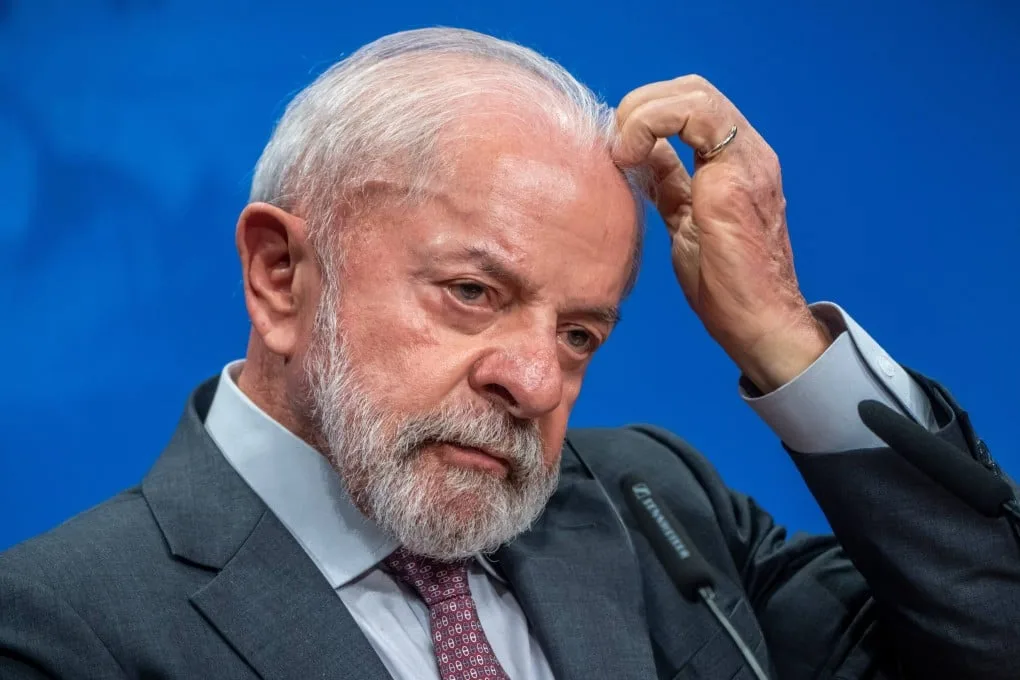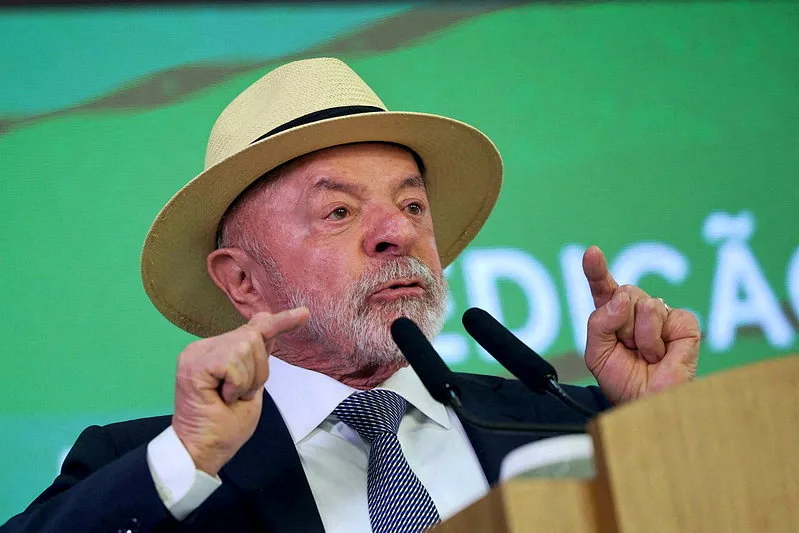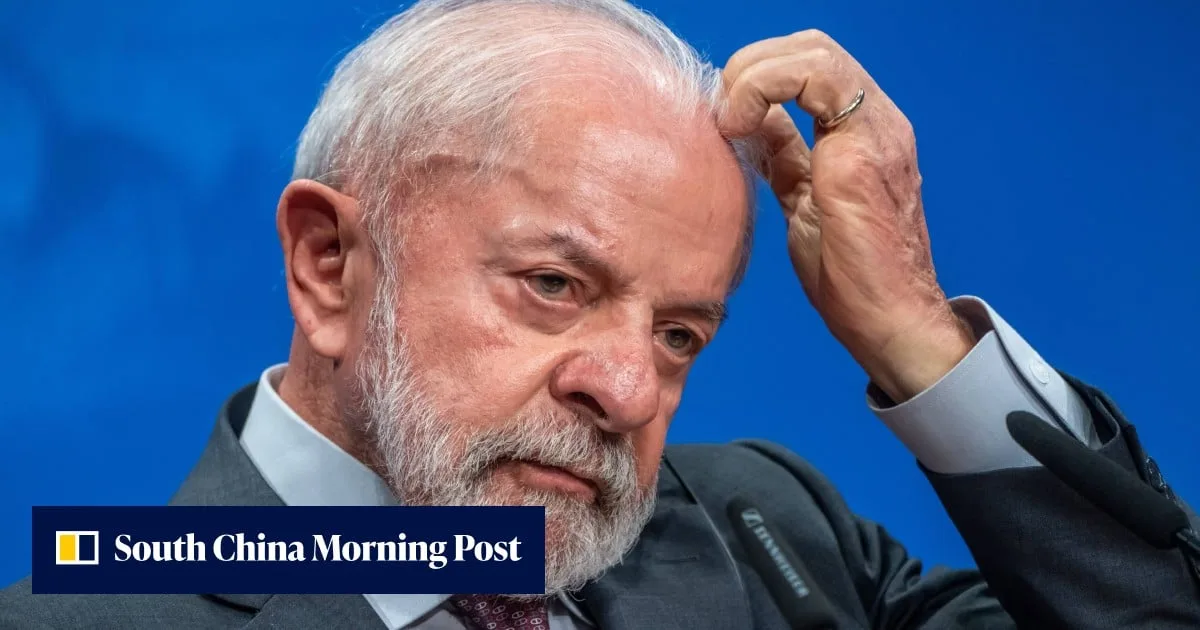
Brazilian President Luiz Inacio Lula da Silva and US President Donald Trump held a phone call on August 21 lasting about 1 hour and 20 minutes to discuss bilateral trade, security cooperation, and international issues [1, 2, 3, 4, 5, 6, 7].
The call came after the US imposed two new sets of tariffs on Brazilian goods in July 2026, including a 25% tariff starting July 22 and a 10-12.5% tariff citing forced labor concerns beginning July 23. Brazil has called these measures baseless [1, 2, 3, 4, 5, 6]. Lula criticized the US tariffs during the call as "毫无根据" (without basis) and said they negatively impact both countries [1, 2, 3, 4, 5, 6]. He said, "To remain at the negotiating table is the best option for both countries" and stressed that diplomatic talks are the best path to resolving trade disputes [1, 3].
Trump expressed willingness to re-engage in trade talks and agreed to appoint technical teams from both countries to resume negotiations soon. He said the US is "open to re-engaging trade talks and will have technical teams resume negotiations soon" [3, 5, 7].
The leaders also discussed US designations of Brazilian criminal gangs Comando Vermelho and PCC as terrorist organizations. Lula opposed this, stating Brazil already has sufficient laws to combat crime without foreign interference. He said, "川普,如果你想打击犯罪团伙,那我们就一起来打击" (Trump, if you want to fight criminal gangs, then let's fight together) [3, 4, 5].
Trump showed interest in Brazil’s upcoming presidential elections in October 2026. Lula assured him the electoral process is smooth, fair, and transparent and warned against any US interference. Lula said publicly after the call, "不要干预巴西事务,尤其是选举方面。如果你干预,你会输的" (Do not interfere in Brazil's affairs, especially elections. If you interfere, you will lose) [3, 4, 5, 6].
Relations between Lula, representing the left-wing, and Trump, right-wing, have fluctuated recently with tensions rising ahead of Brazil’s presidential vote. Trump supports Lula’s main rival, an ally of former president Bolsonaro [1, 4, 6].
Lula also invited a special UN Security Council meeting to promote diplomatic solutions to the Russia-Ukraine war and Middle East conflicts [3, 5].
Lula’s office described the call as conducted in a friendly and sincere atmosphere [4, 6].
The next key development will be the resumption of trade negotiations by technical teams from both countries, expected soon following the phone call agreement [3, 5, 7].