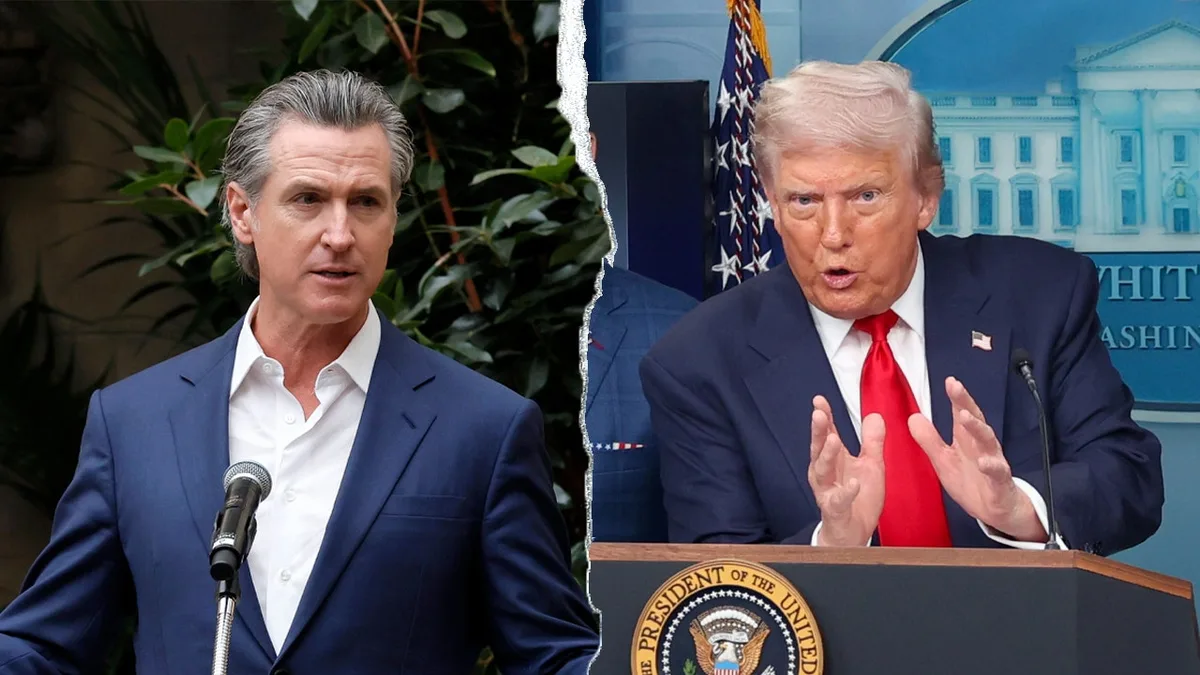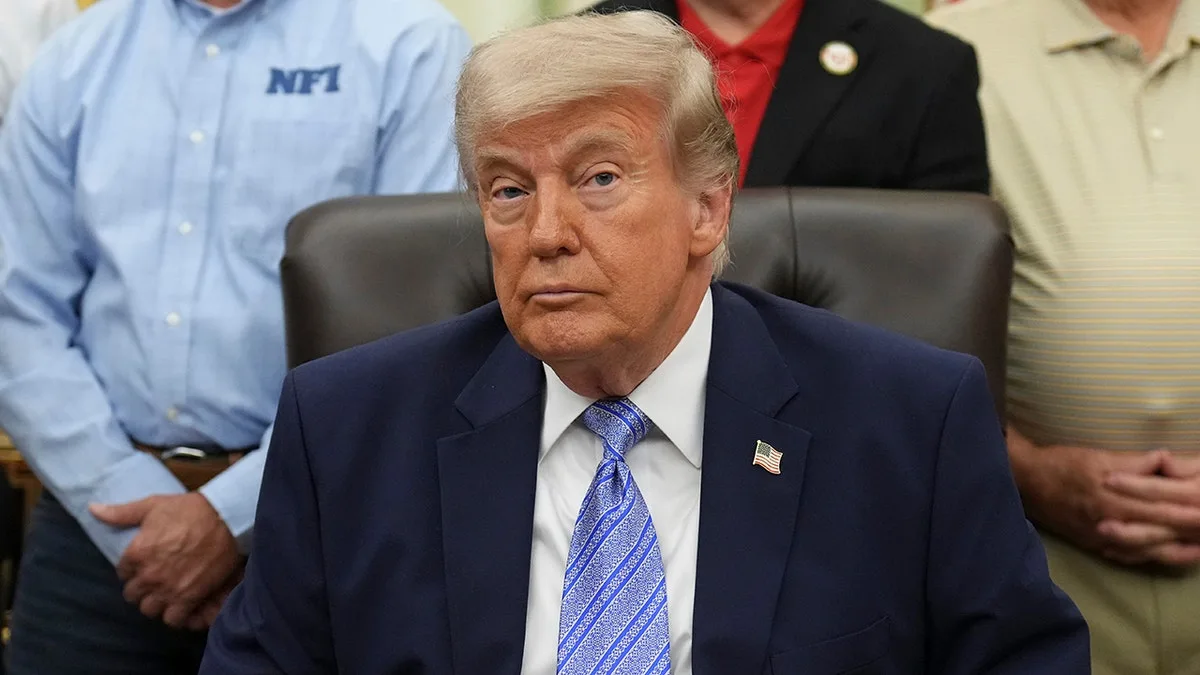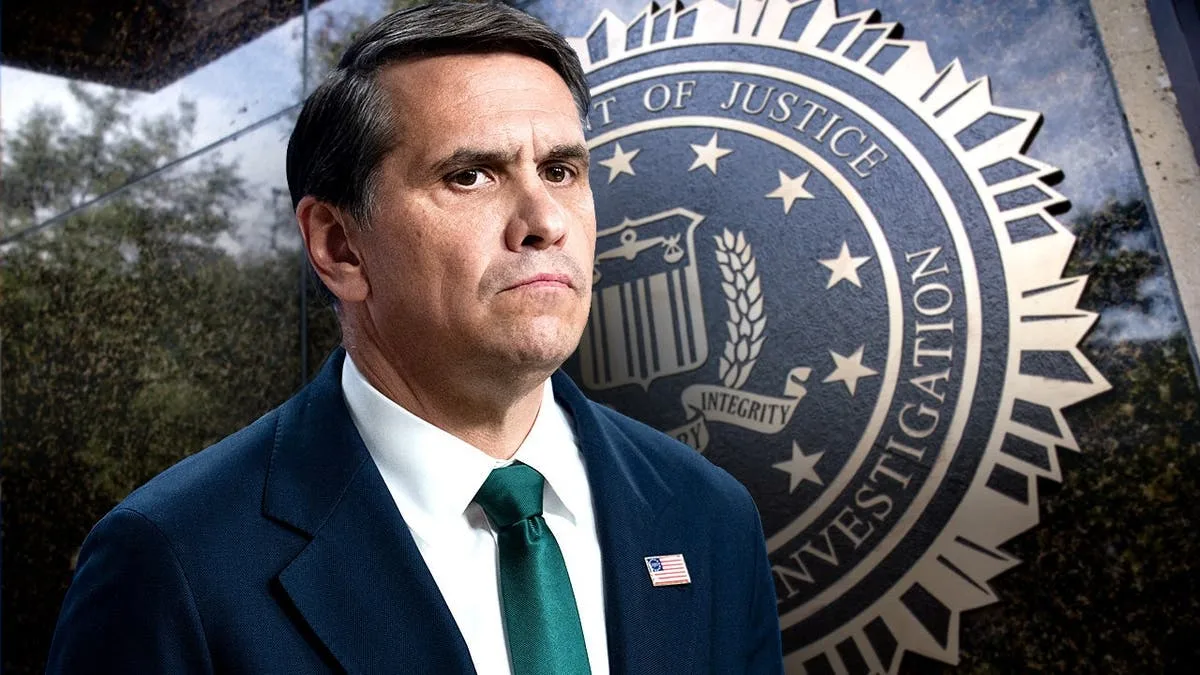
California Governor Gavin Newsom announced on May 27 that he plans to impose a 100% tax on any payments California residents receive from Donald Trump’s $1.776 billion Anti-Weaponization Fund [1, 2]. The fund, established following a settlement between Trump and the IRS tied to his leaked tax returns, aims to compensate alleged "victims of lawfare and weaponization," though eligibility requirements remain unclear [1].
Newsom condemned the fund as a "boondoggle" rewarding people connected to Trump, including some charged over the January 6, 2021 Capitol riot. He said, "People who assault cops and overthrow democracy don’t deserve a taxpayer-funded payday" and described Trump’s pardoning of over 1,500 rioters as part of the issue: "He pardoned all of those folks that were beating up cops and absolved them, providing them 1.776 billion dollars. So not only do you get a pardon, you get rewarded. That’s why this is needed" [1, 2].
"Anyone from California that receives any of those funds. We want to tax 100% of those proceeds and that's an action the state of California can take," Newsom said [2]. The Department of Justice created the fund in May 2026 and appointed a five-member panel to oversee distribution. Claims must be filed by December 1, 2028, after which leftover funds will revert to the federal government [1].
Republican critics countered Newsom’s stance by accusing him of managing politically motivated spending programs and "slush funds" within California amid the state’s $2.9 billion deficit in its 2027 fiscal budget [2].
Newsom’s announcement came at a news conference and was reinforced by social media posts criticizing the fund for rewarding individuals linked to the Capitol riot who received pardons or commutations from Trump on his first day back in office [1, 2]. The anti-weaponization fund arose from a legal settlement following Trump’s tax return disclosures leading to a $1.776 billion pool for distribution [1].
The state’s 100% tax plan aims to prevent California residents from profiting from the fund’s payouts while federal oversight and claim deadlines loom. The deadline for claims is December 1, 2028 [1].