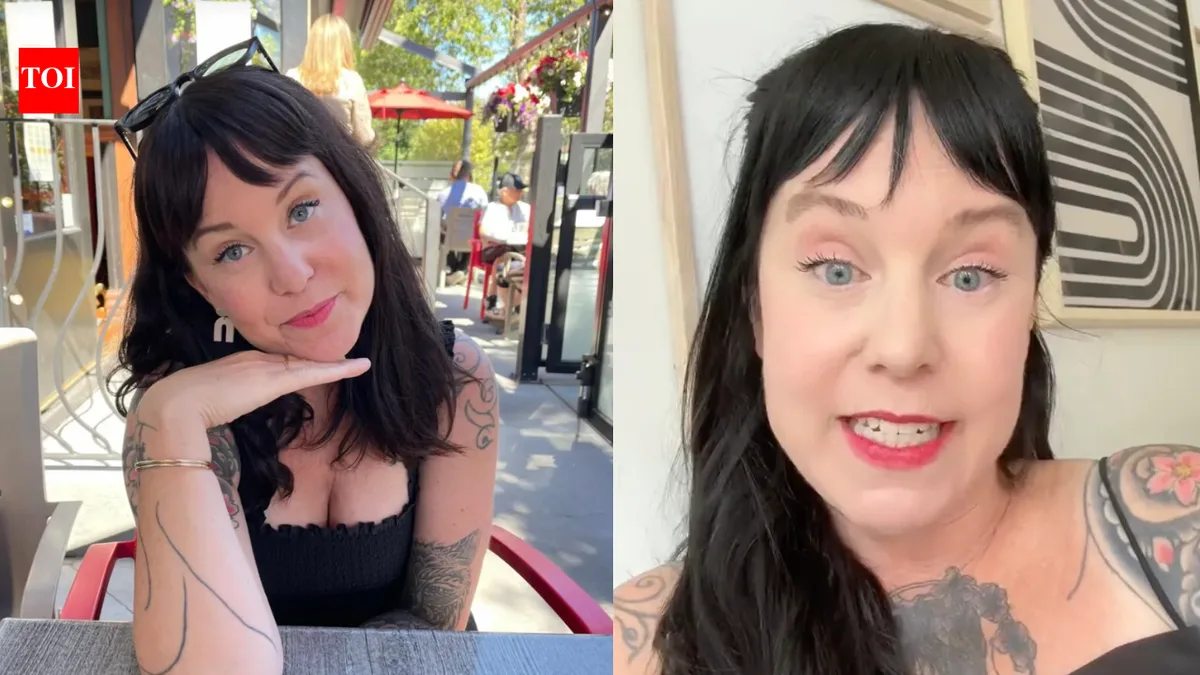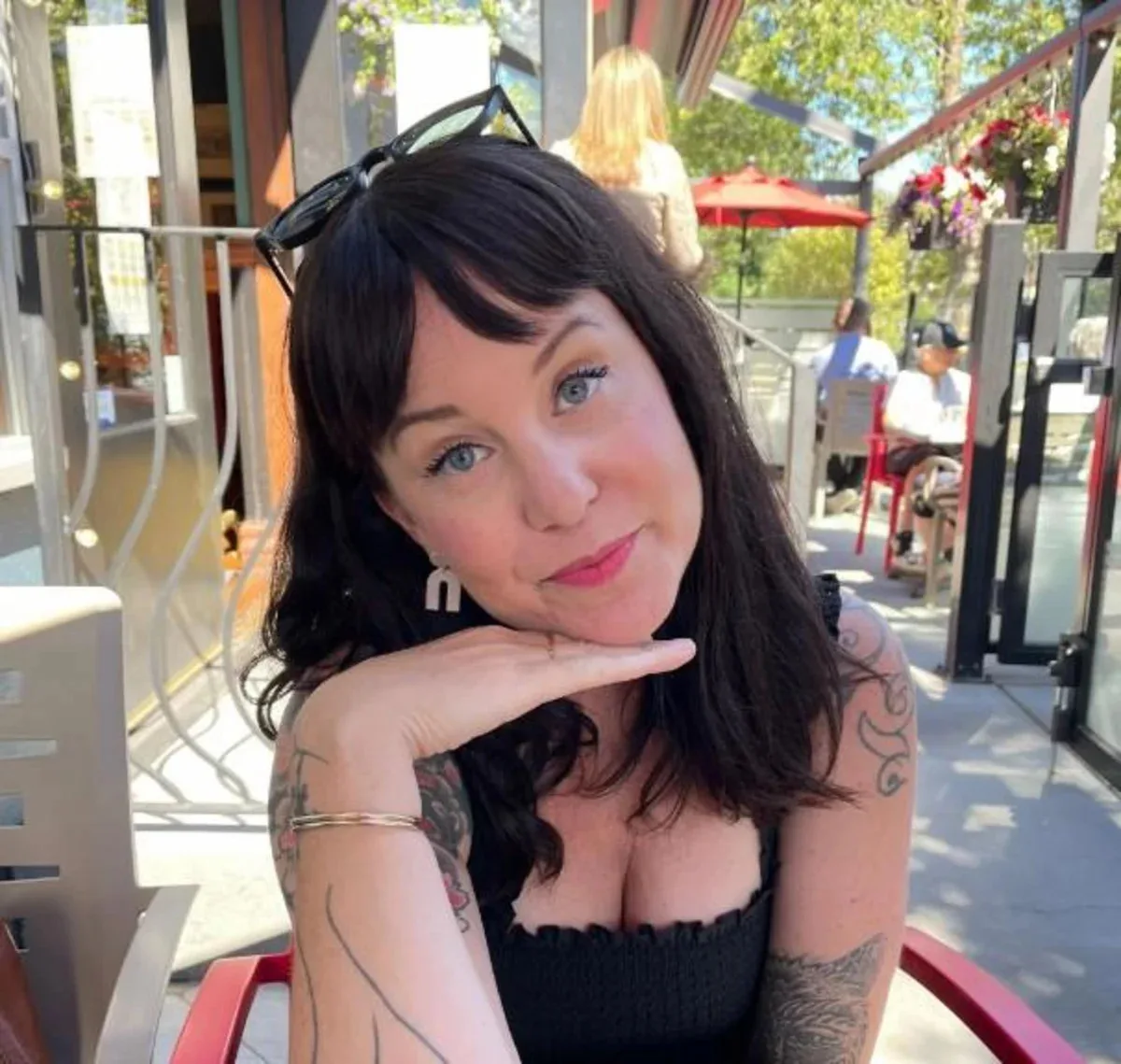
Rebecca Luna, 49, a Canadian TikTok influencer diagnosed with early-onset Alzheimer's disease, died peacefully at home in Victoria, British Columbia, on July 25, 2026, using Canada's Medical Assistance in Dying (MAID) program, surrounded by family at 1:15 PM local time [1, 2, 3, 4, 5].
Luna publicly announced her Alzheimer's diagnosis in April 2025 at age 46 and began sharing her journey with symptoms like sudden lapses in conversation and frequent forgetfulness documented through her TikTok videos. She amassed over 47,000 followers according to Chinese sources or more than 90,000 as reported by an English source, reflecting significant public support and awareness raised through her postings [1, 2, 3, 4, 5, 6].
Doctors initially estimated Luna's life expectancy after diagnosis to be between five and seven years [1, 2, 3, 6, 4, 5]. In early July 2026, she announced her decision to pursue MAID to end her life before her cognitive abilities and dignity deteriorated further [1, 2, 3, 4, 5].
Shortly before her death, Luna spoke about the difficulty of living in a body that no longer felt safe or comfortable, describing her recent weeks as a hard choice she made herself after having no control during much of the illness progression. She said, "Prior to the dates changing for the last year and a half has been legally and medically not my choice. But for the last two weeks I've been making the decision. And it's a hard decision to make, because I'm living in a body that doesn't feel comfortable, safe, good, nothing" [6, 5].
Her eldest daughter, Maya, confirmed her death on Luna's TikTok account and asked for privacy and space for the family while expressing gratitude to supporters for their kindness and sympathy [1, 2, 3, 4, 5]. Fans and followers mourned her passing and thanked her for courageously documenting her illness and raising awareness of early-onset Alzheimer's disease [1, 2, 3, 4, 5].
Rebecca Luna was diagnosed with early-onset Alzheimer's at age 46, following early symptoms in her early 40s. Medical professionals noted her prognosis allowed a window of several years, which she partly used to share her experience publicly [1, 2, 3, 4, 5].