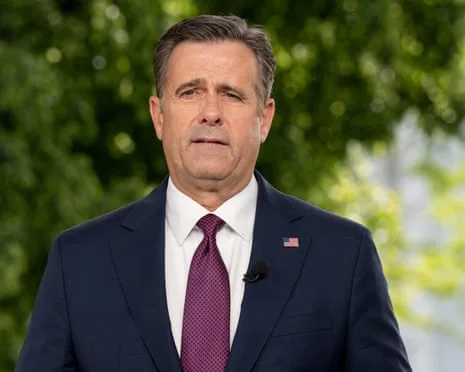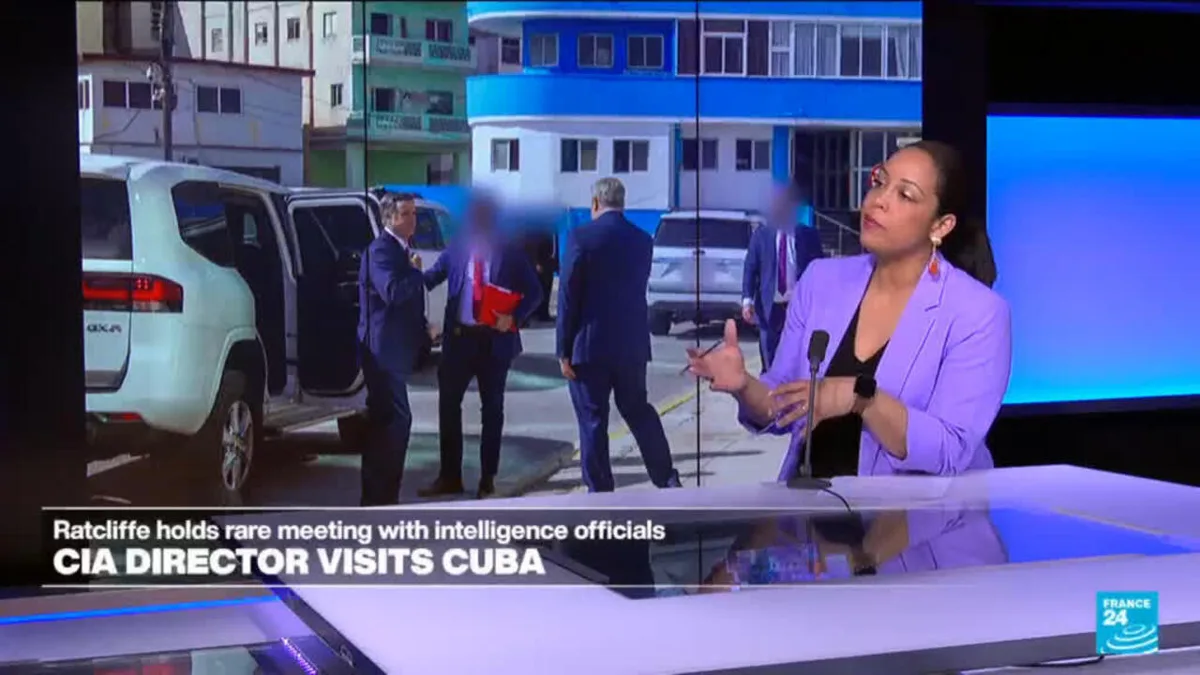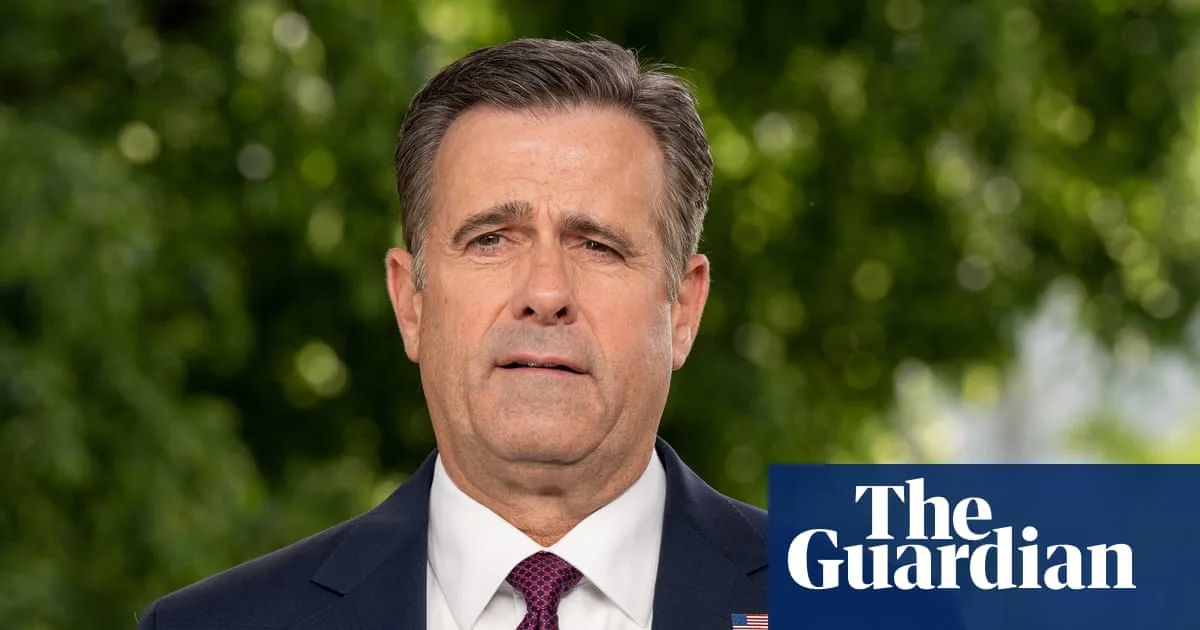
CIA Director John Ratcliffe met with Cuban officials in Havana on May 14 to advance political dialogue amid deteriorating relations between the United States and Cuba [1, 2, 3]. The talks aimed to improve communication despite complex bilateral tensions that escalated after the US imposed a fuel blockade in January that cut Venezuelan fuel shipments to Cuba and threatened sanctions on oil deliveries [1, 2, 4].
Ratcliffe’s meetings included Cuban Ministry of Interior officials Raulito Rodriguez Castro and Lazaro Alvarez Casas, focusing on intelligence cooperation, economic stability, and security issues [3]. He conveyed a message from President Donald Trump that the US is willing to engage on economic and security concerns if Cuba implements fundamental changes. Discussions emphasized that Cuba can no longer serve as a safe haven for US adversaries [3].
The Cuban government rejected US accusations of hosting hostile activities or allowing other nations, such as China, to have military presence on its soil [1, 2]. Cuba’s leadership said the island is not a threat to US national security and should be removed from the US list of state sponsors of terrorism [1, 2, 3].
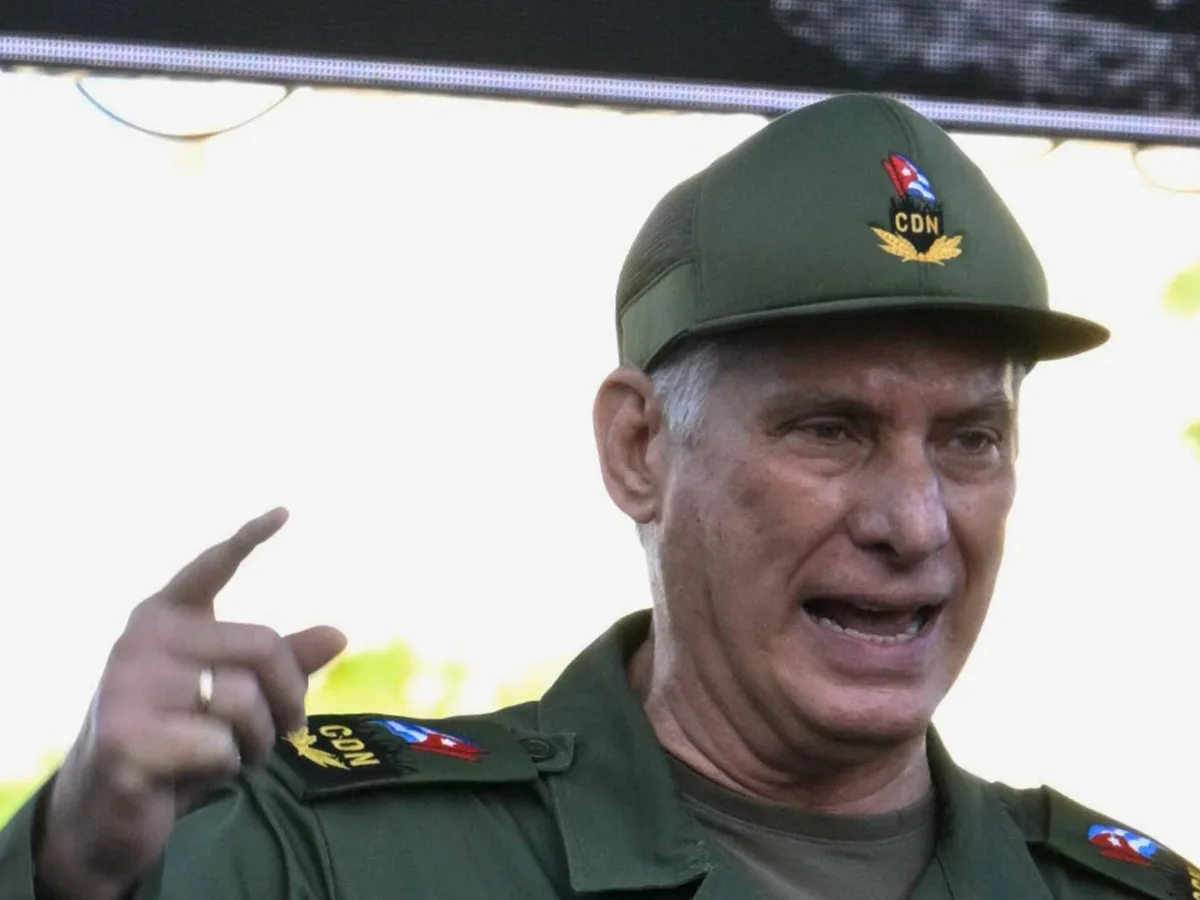
Cuban President Miguel Diaz-Canel urged the US to lift or ease the fuel blockade, calling it a calculated action causing humanitarian suffering. "The damage could be eased in a much simpler and faster way by lifting or relaxing the blockade, since it is known that the humanitarian situation is coldly calculated and induced," Diaz-Canel said [1]. He added that Cuba would not obstruct genuine US aid provided under internationally recognized humanitarian standards [4].
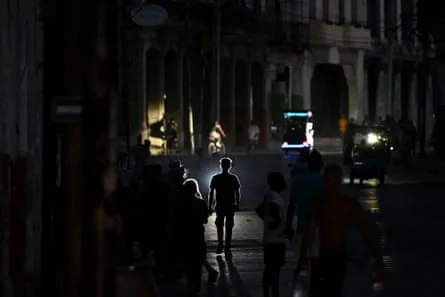
On May 13, the US renewed a $100 million humanitarian aid offer to Cuba, conditioning the aid’s distribution through the Catholic Church to bypass the Cuban government [1, 2]. Cuba faces worsening conditions including frequent power outages, fuel shortages, and scarcity of supplies [1, 4].
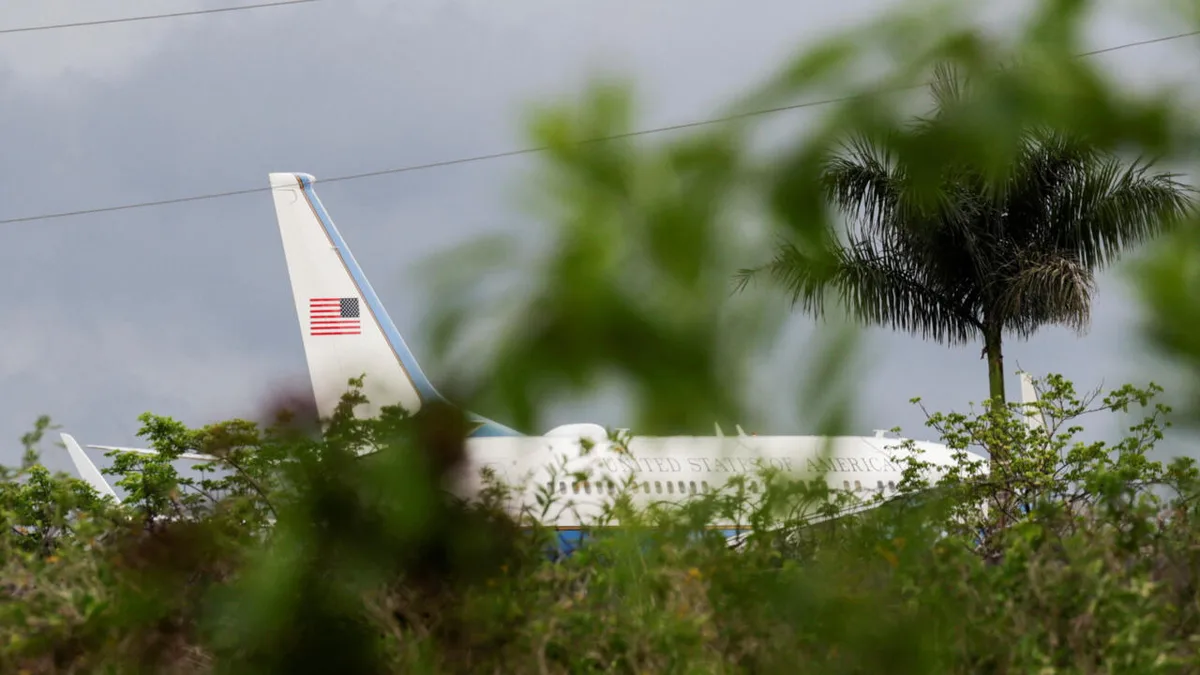
The May 14 meeting followed a high-level diplomatic session on April 10 in Havana, which marked the first US government plane landing in Cuba since 2016 [1]. The meetings reflect ongoing intergovernmental talks amid strained relations rooted in sanctions and the fuel blockade.
Further discussions between US and Cuban officials are expected as both sides navigate political and security challenges while responding to economic and humanitarian pressures on the island.