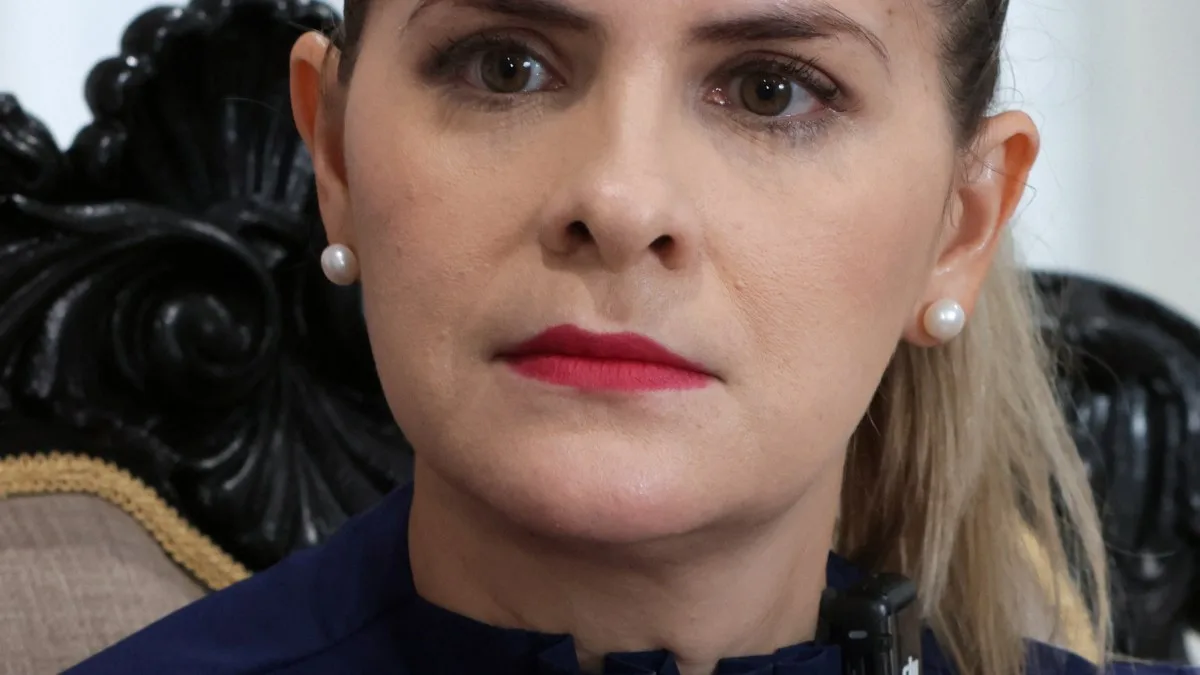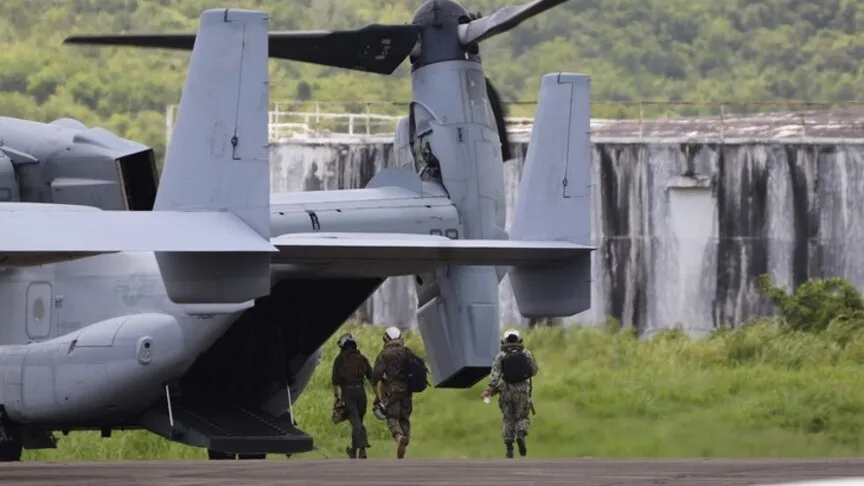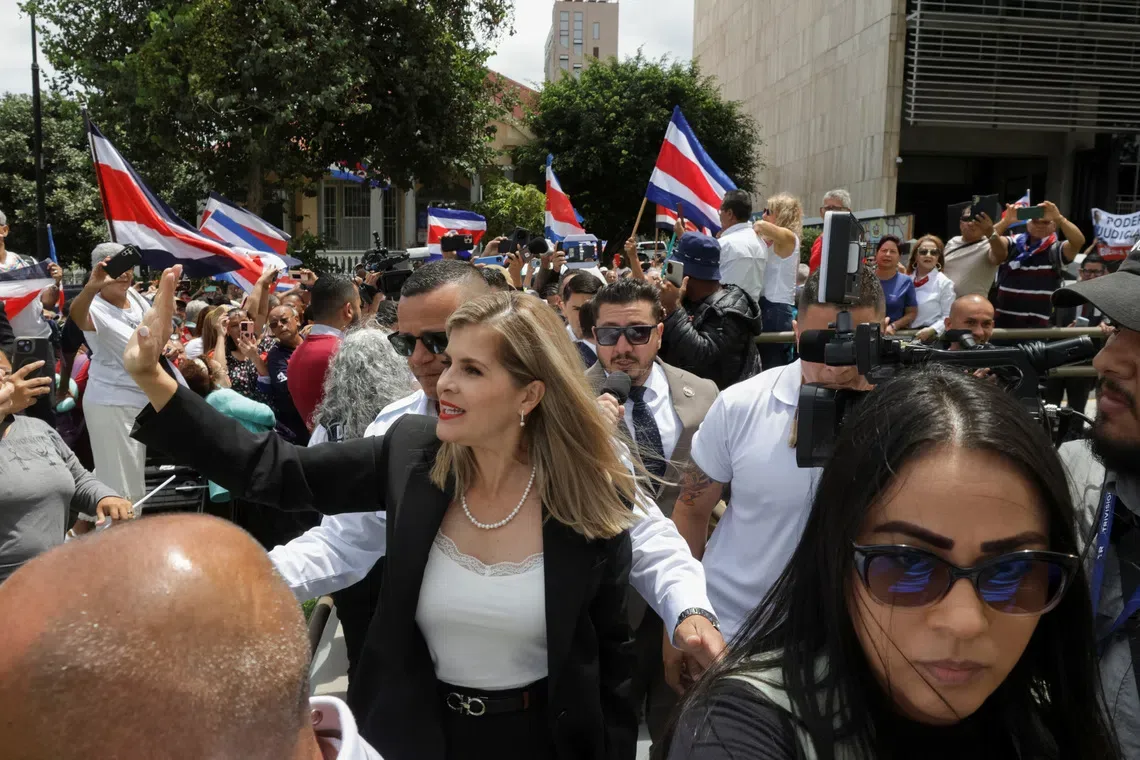
Costa Rica President Laura Fernandez said on September 4 that US ground operations in Costa Rica could benefit national security if aimed at combating transnational crime, drug trafficking, and terrorism. She said, "It would obviously be very good for national security if it were about pursuing a common objective against transnational crime, transnational drug trafficking, transnational terrorism" [1]. Fernandez emphasized that no concrete plans or formal proposals currently exist for US military presence on Costa Rican soil [1, 2, 3].
Any US military operations would require approval from Costa Rica’s legislature before proceeding, Fernandez said [1, 2]. Costa Rica abolished its military in 1948 and has relied on civilian security forces ever since [3]. The country has become a key transit point for drug shipments, especially cocaine destined for the US and Europe [3].
Fernandez took office in May 2026 after campaigning on a hardline anti-crime platform [1, 2, 3]. In 2023, Costa Rica’s homicide rate rose to 17.2 per 100,000 inhabitants, roughly double the rate from 10 years earlier [1, 2, 3]. Despite rising violence, Fernandez said she is not currently considering a state of emergency or suspending constitutional rights like some other regional countries have done [1, 2, 3].
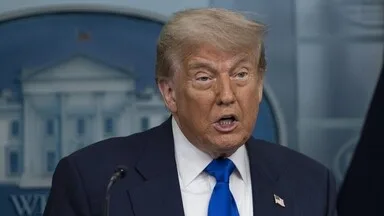
US President Donald Trump has pushed to increase US military influence in Latin America, including engagement in the region, which provides context to Fernandez's remarks [2, 3]. Costa Rica’s legislature will now consider any potential proposals for US operations if they arise.
Fernandez’s statements mark a cautious openness to foreign military involvement under strict legislative oversight but no immediate shift in policy. The next concrete step will depend on whether formal plans or proposals for US operations are submitted to Costa Rica’s legislature.