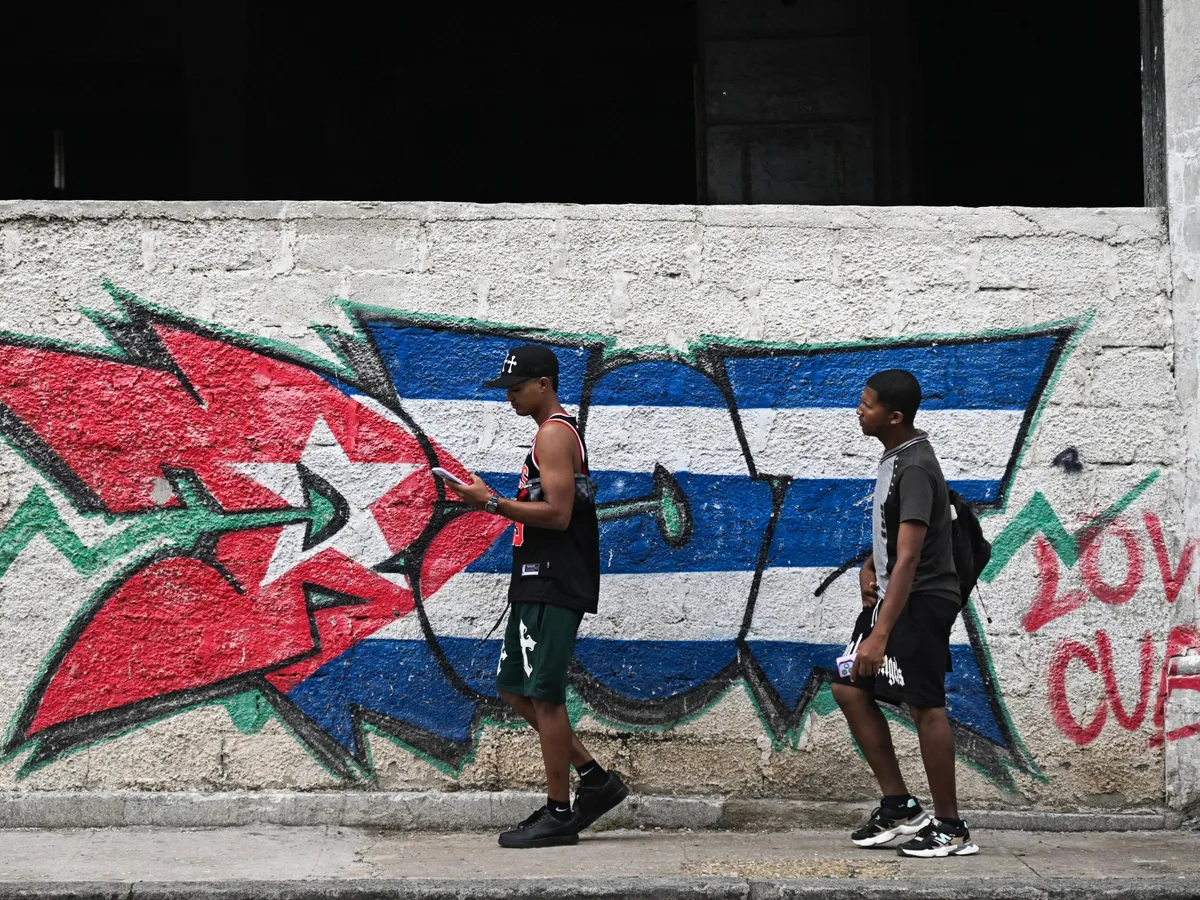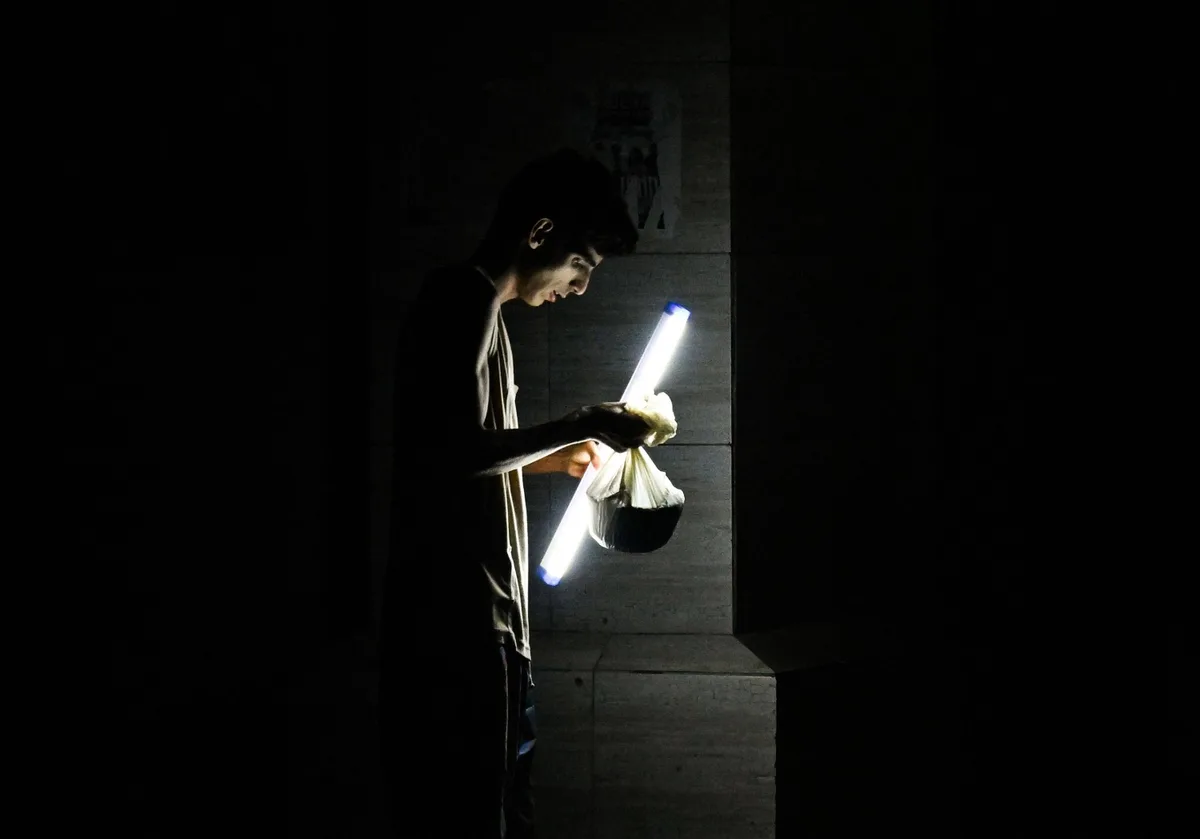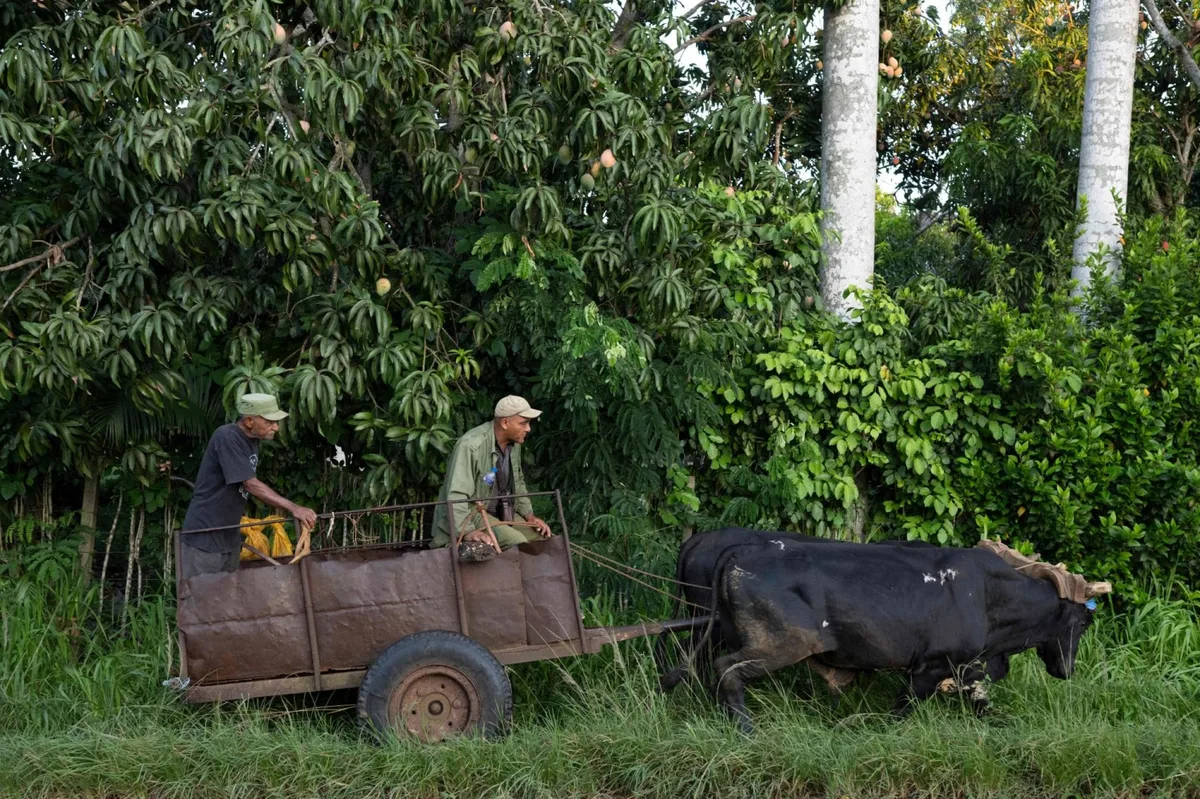
Cuba’s national power grid collapsed again around 11:05 a.m. local time Tuesday, July 14, 2026, marking the third total blackout in less than 10 days and the fifth since the start of the year [1] [2] [3]. The shutdown of the Felton 1 generating unit caused sudden oscillations and an abrupt frequency change that triggered the collapse of the entire grid [3]. Approximately 10 million people experienced the blackout [1].
Recent blackouts in Cuba have lasted more than 24 hours, with some areas waiting days for power restoration [1] [2]. Residents in Havana expressed frustration through protests, banging pots and pans and shouting "turn on the lights" as outages worsened [1] [2]. Maria Caridad Alvarez, a 62-year-old housewife, said, "I have no words. When I woke up this morning, the power was back and I cooked some beans. Now, I went out and it’s off again. It feels like there is no solution" [2].
Cuba’s electricity infrastructure is aging, with much of it dating back to the 1960s and 1980s, which contributes to frequent failures [1]. The country also faces severe fuel shortages worsened by a U.S.-imposed oil and fuel blockade since January 2026, following the U.S. arrest of Venezuelan President Nicolas Maduro [1] [2] [3]. This blockade restricts Cuba’s ability to import subsidized oil, previously supplied by Venezuela and Mexico [1].
Cuba’s state electricity company, UNE, said the fuel shortages make running emergency generators nearly impossible and weaken overall grid stability [2] [3]. The U.S. government attributes the energy crisis to mismanagement by Cuba’s communist government, while Havana blames the U.S. sanctions and blockade [1] [2] [3].
Since July 10, Cuba has experienced two full nationwide blackouts, with the most recent on July 14 triggered by the Felton 1 unit issue [1] [2] [3]. Cuba’s grid restoration plan includes creating microsystems and energizing vital centers as conditions allow [3]. Authorities are working to stabilize the system but have not provided a clear timeline for full restoration.