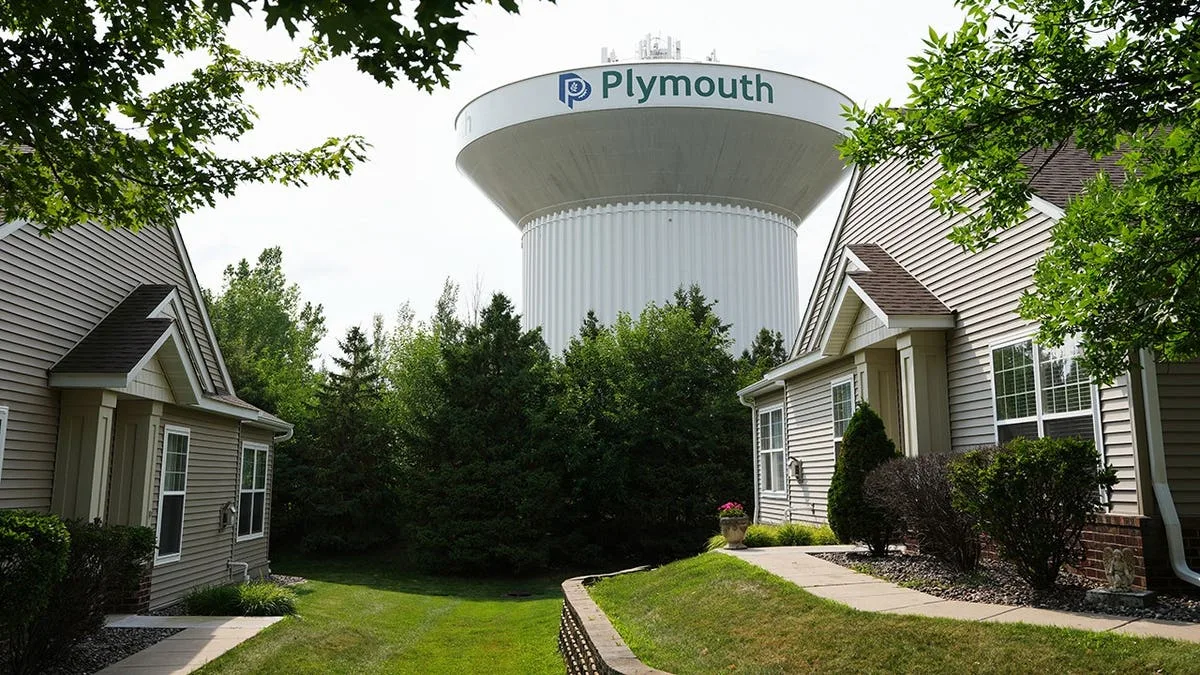
Cyberattacks struck operational technology at more than 30 community water systems in Minnesota around July 26-27, 2026, disrupting automated controls but causing no contamination or unsafe drinking water, officials said [1, 2, 3, 4]. At least seven states including Minnesota, Wisconsin, and Michigan have been affected by similar attacks on water infrastructure [5, 1]. The cyber intrusions compromised internet-connected equipment such as programmable logic controllers that monitor and control water systems [2, 3, 4].
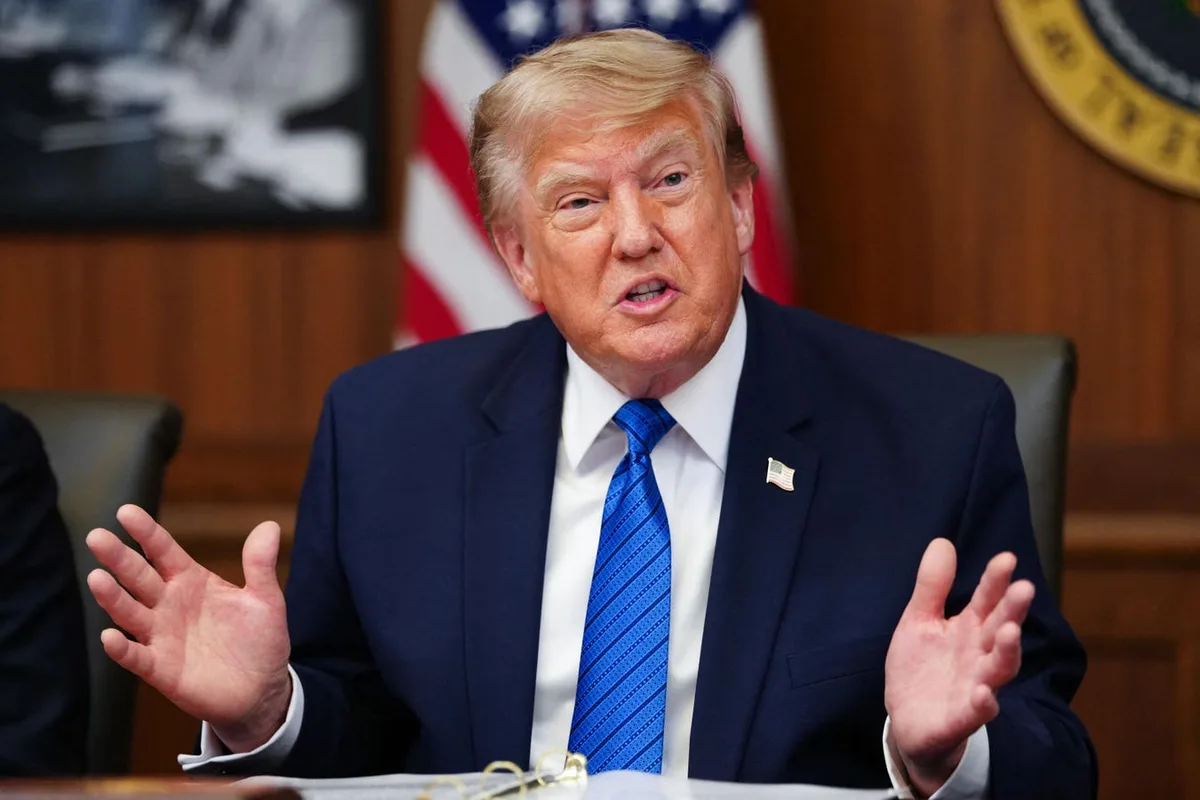
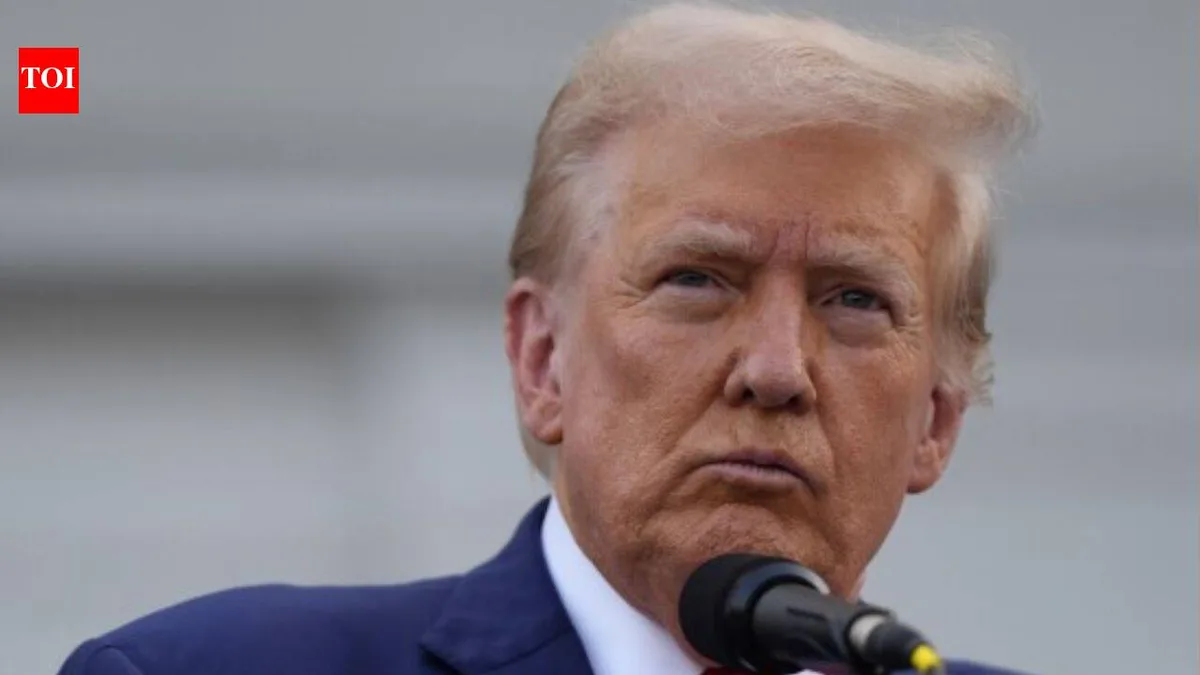
US agencies investigating the attacks include the FBI and Environmental Protection Agency, which are working to secure critical infrastructure against such cyber threats [2, 3]. Officials preliminarily attribute the attacks to Iranian or Iran-backed hackers, citing tradecraft and the lack of ransom demands as indicators [5, 1, 2, 3, 4]. However, President Donald Trump rejects Iran’s involvement, instead blaming Minnesota’s government and Governor Tim Walz. Trump said, "I don't think so. I think I blame it on Minnesota because they're grossly incompetent" and added, "Iran should be so lucky. Iran's got bigger problems than worrying about Minnesota" [5, 1, 2, 4].
Governor Walz strongly disputed Trump’s accusations, stating, "Trump knows exactly who is responsible for this attack, and knows that other states were hit too. This is what modern warfare looks like" [5, 1, 2]. Walz also blamed cybersecurity staffing cuts under the Department of Government Efficiency for weakening US cyber defenses [2].
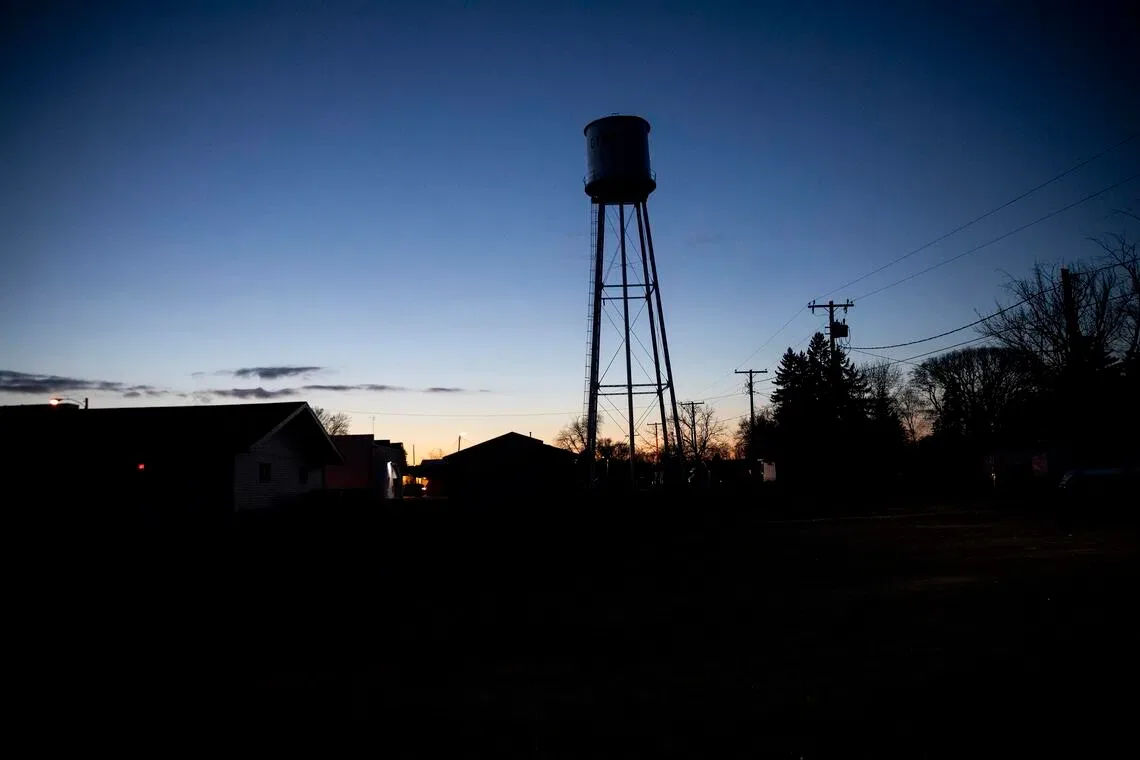
Local systems like Braham experienced disruptions to automated controls but quickly restored operations without interruption to water supply [3, 4]. Importantly, there is no evidence that drinking water itself was contaminated or unsafe to consume during these incidents [5, 1, 2, 3, 4].
The cyberattacks began targeting Minnesota community water systems on July 26 and continued on July 27 [2, 3]. On July 31, President Trump publicly rejected preliminary intelligence findings blaming Iran during a Cabinet meeting, blaming Minnesota officials instead [5, 1, 2, 4].
Federal investigators continue their probe into the cyberattacks to prevent further incidents and secure water infrastructure nationwide [2, 3].