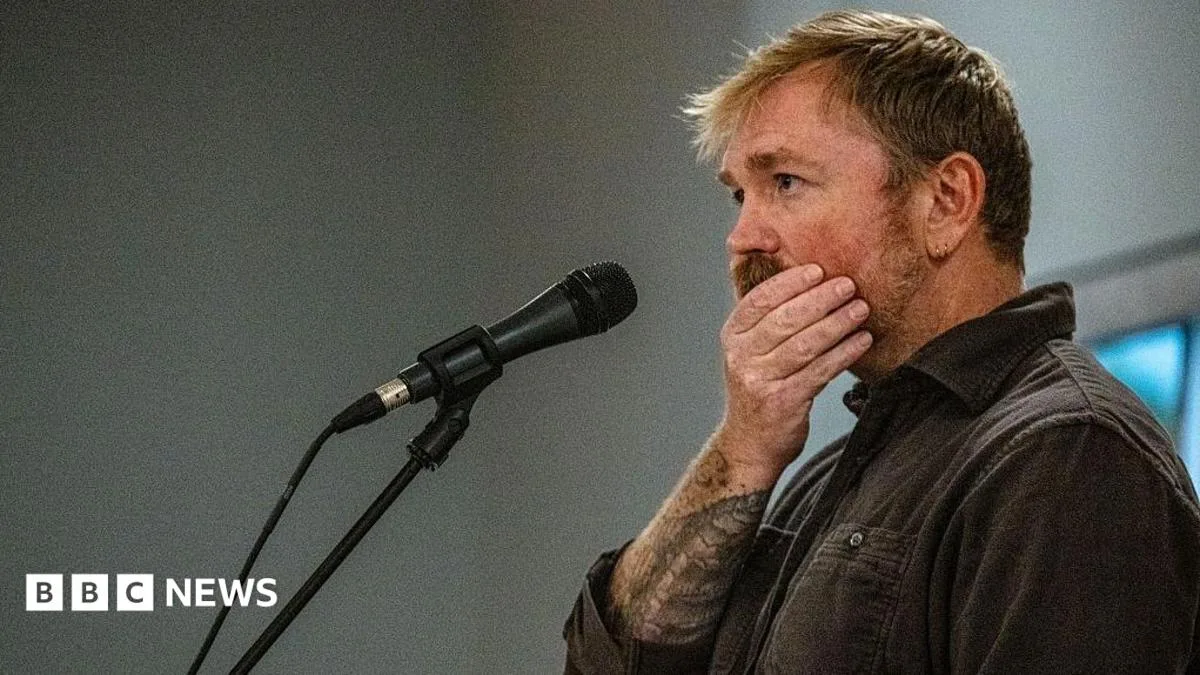
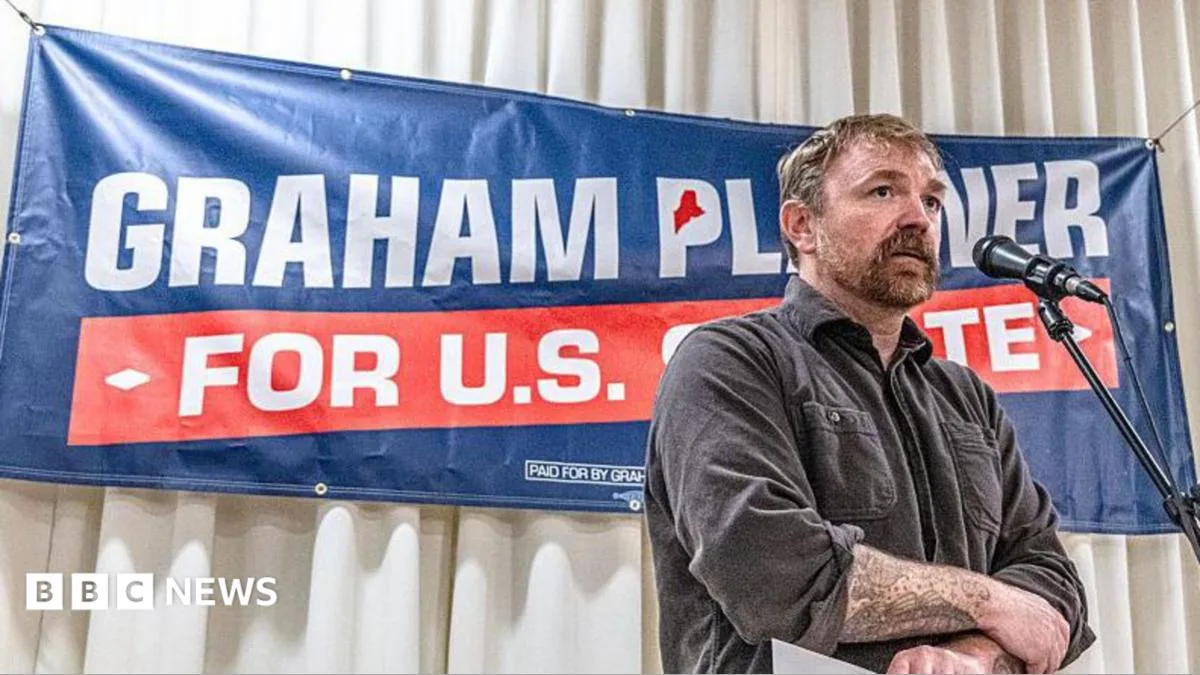
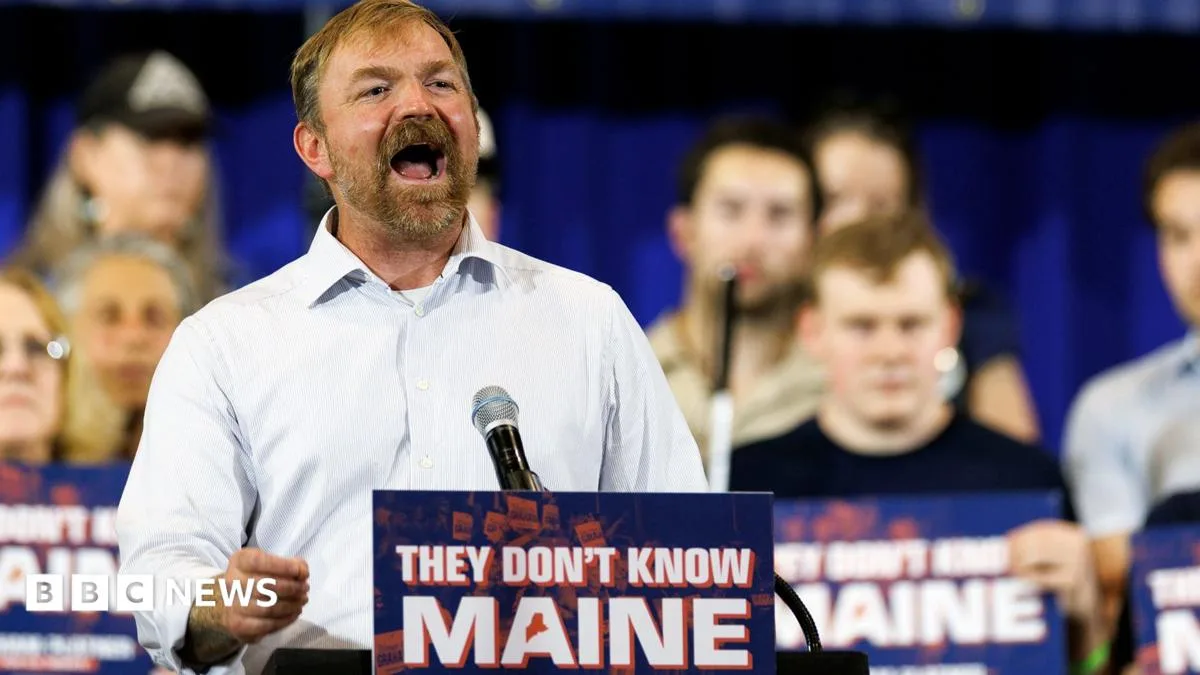
Graham Platner, the Democratic nominee for US Senate in Maine, suspended his campaign on July 8, 2026, after a woman he previously dated accused him of sexual assault [1, 2, 3]. Platner denied the allegation, calling it "troubling, serious, and false" and politically motivated [1, 4, 5].
Jenny Racicot, 41, alleges that in late 2021 an intoxicated Platner entered her home uninvited and forced himself on her despite repeated objections [4, 5, 6, 7]. Platner has faced prior controversies, including offensive social media posts, a Nazi symbol tattoo which he later covered, and accusations of toxic behavior toward women [1, 3, 4].
The allegation against Platner became public on July 6, 2026, with a Politico report [1, 4]. Platner responded the same day with a video denying the claims and saying he was reflecting on next steps [1, 5, 6]. In the days following, senior Democrats including Senators Bernie Sanders, Chuck Schumer, Kirsten Gillibrand, and Representatives Ro Khanna and Heinrich publicly urged Platner to withdraw [1, 5, 8, 9]. Sanders said, "In light of these very serious allegations, I have recommended that he step aside" [9].
On July 8, Platner announced suspension of his campaign in an 11-minute video posted online, saying he would officially withdraw once a "transparent, democratic process" selects his replacement [2, 3, 6, 7, 10]. The Maine Democratic Party quickly arranged an open nominating convention, with a deadline of July 27, 2026, to select a new Senate nominee [10, 11]. Potential replacements include Troy Jackson, Dan Kleban, Shenna Bellows, Nirav Shah, Valli Geiger, and Jordan Wood [12, 10, 11].
Maine Democratic Party Executive Director Devon Murphy-Anderson said Platner’s team “has repeatedly reached out...to put their thumb on the scale” of the selection process but was told they have no role in choosing the nominee [12]. Platner must formally withdraw by July 13, 2026, to clear the way for a new candidate on the November ballot [2, 12].
Platner won the June primary with 72% of the vote despite controversies and has a grassroots network of about 15,000 supporters [3]. The Maine Senate race is seen as key for Democrats aiming to flip the Senate in the 2026 midterms [1, 2, 3, 7].
Republican Senator Susan Collins, Platner’s likely general election opponent, described the allegations as "appalling" but said it is not her role to choose the Democratic nominee [5]. Progressive groups urged the party to honor Platner’s primary mandate [11].
The Maine Democratic Party convention to pick Platner’s replacement nominee is set for no later than July 27, 2026 [10, 11].