The Department of Justice finalized a settlement on May 19, 2026, that bars the Internal Revenue Service from auditing or prosecuting former President Donald Trump, his family members, and affiliated businesses for tax matters occurring before the settlement date [1, 2, 3, 4]. The expanded settlement also creates a $1.8 billion "Anti-Weaponization Fund" designed to compensate individuals allegedly targeted for political reasons [1, 3, 4].
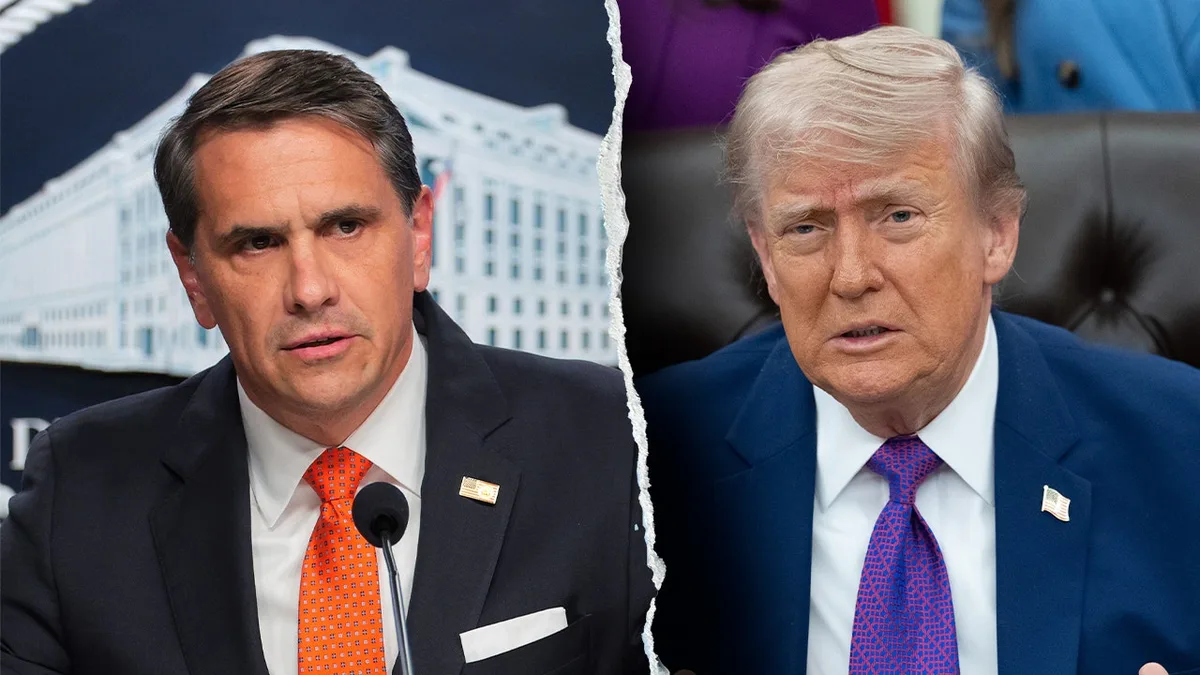
The agreement came as Trump dropped a $10 billion lawsuit against the IRS, which challenged certain audits and investigations into his tax returns [1, 2]. The original settlement, announced May 18, established the $1.8 billion fund but did not contain terms preventing IRS audits [1, 3]. The following day, Acting Attorney General Todd Blanche signed a one-page addendum expanding the waiver to bar audits and prosecutions related to acts through May 19, 2026 [1, 3, 4]. This addendum was not signed by IRS officials or Trump’s current legal team [1, 3, 4].
The waiver covers any ongoing or potential claims before other government agencies as well as prosecutions and civil claims for acts up to and including the settlement date [2]. Legal experts noted the unusual scope of the waiver. Former federal prosecutor Joyce Vance said, "Donald Trump just got the one thing that most experts agree—even with the expansive power he has as president—that he can’t do for himself, and that’s give himself a pardon. This would seem to say that he’s off scot-free" [2]. Meanwhile, John Koskinen, former IRS Commissioner, criticized the pact, saying the expanded settlement "set a terrible precedent that could effectively generate a windfall for Trump. Not auditing his returns is the same as giving him an ea..." [3].
The settlement is the latest chapter in prolonged legal battles over the IRS’s attempts to scrutinize Trump’s tax records. It formally took effect with the addendum’s signing by Acting AG Blanche on May 19. Officials and Trump’s lawyers have yet to sign the waiver document.
The $1.8 billion fund aims to compensate those who brought claims of political targeting by the IRS under prior administrations. It reflects part of the broader resolution between Trump and the IRS announced the day before, May 18.
The DOJ has indicated no further IRS audits or prosecutions related to Trump or his entities prior to the settlement date will be pursued under the current terms [1, 2].