The U.S. Justice Department withdrew subpoenas issued to four New York Times journalists related to a leak about President Donald Trump flying on his old Air Force One plane instead of a new Qatar-donated one over security concerns. The subpoenas sought grand jury testimony and phone records from journalists Tyler Pager, Julian Barnes, Eric Schmitt, and Eric Lipton [1, 2].
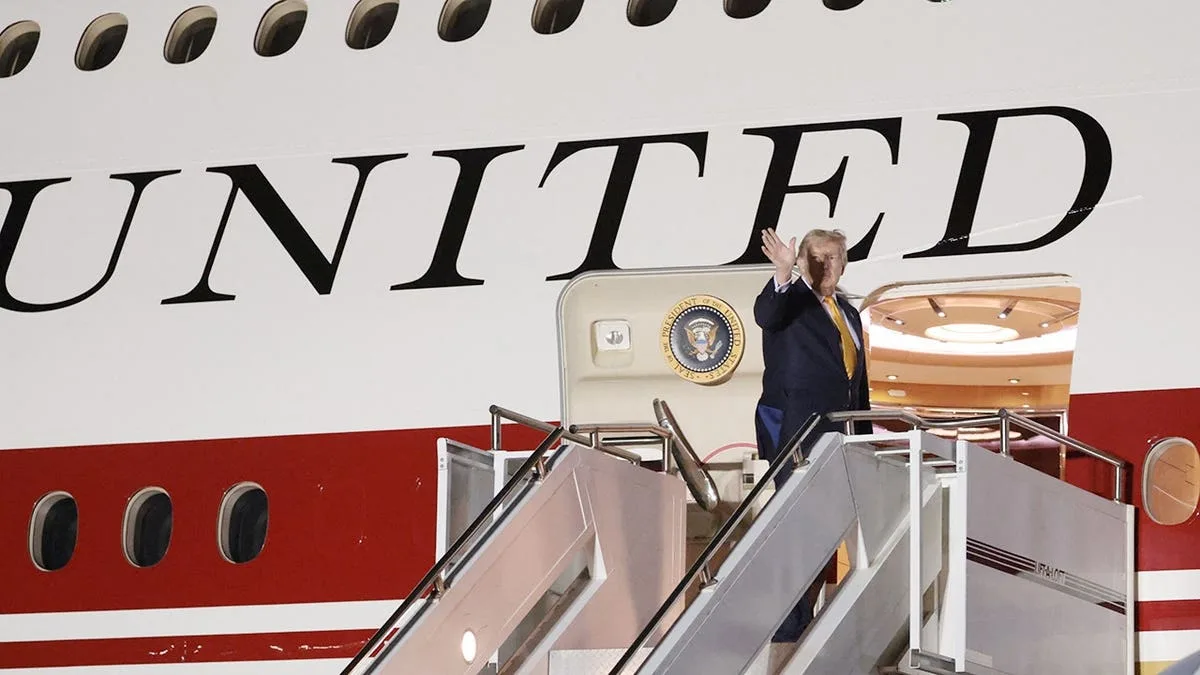
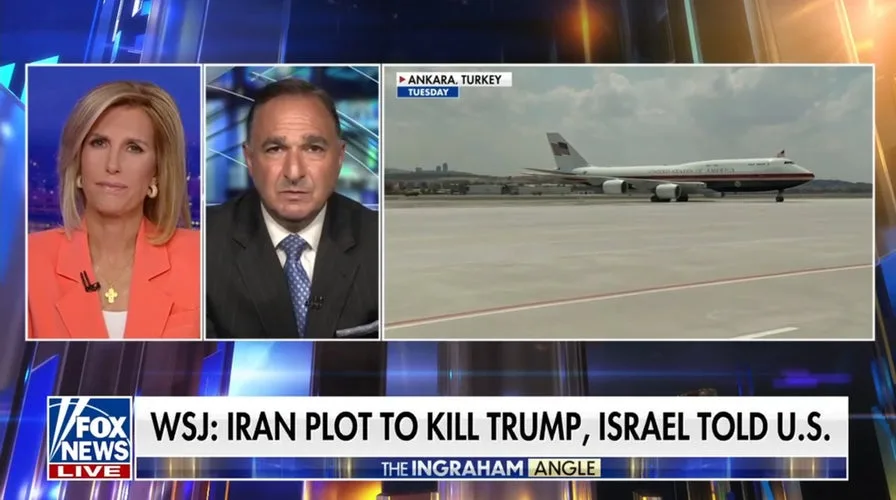
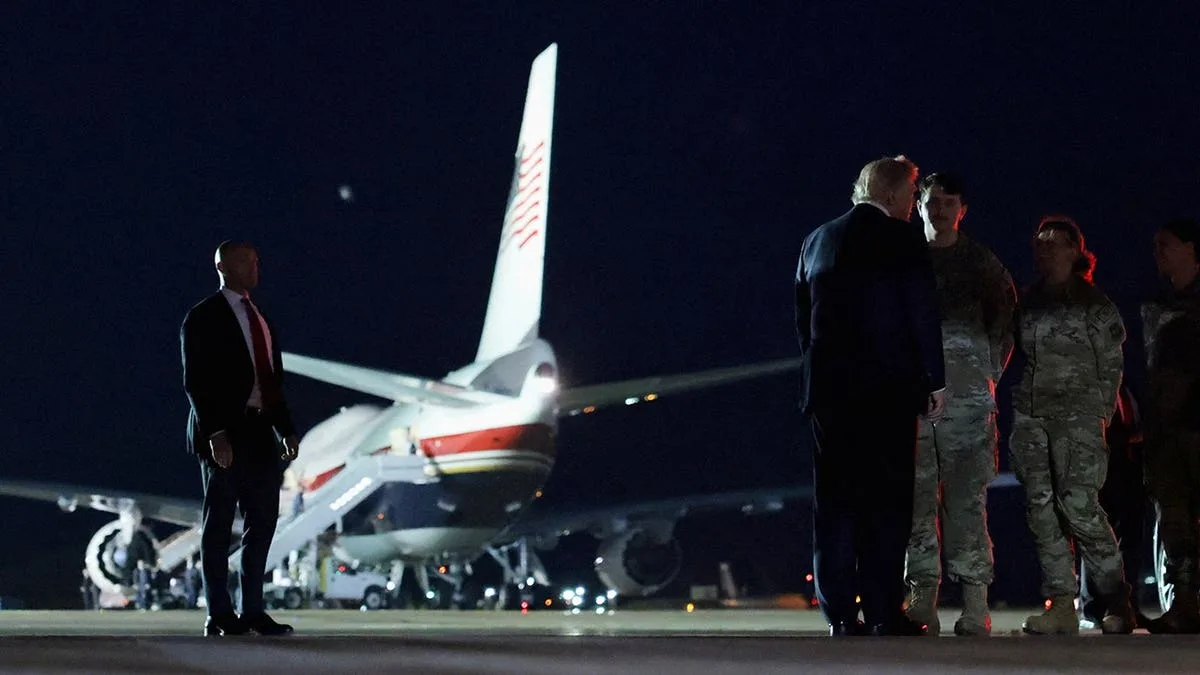
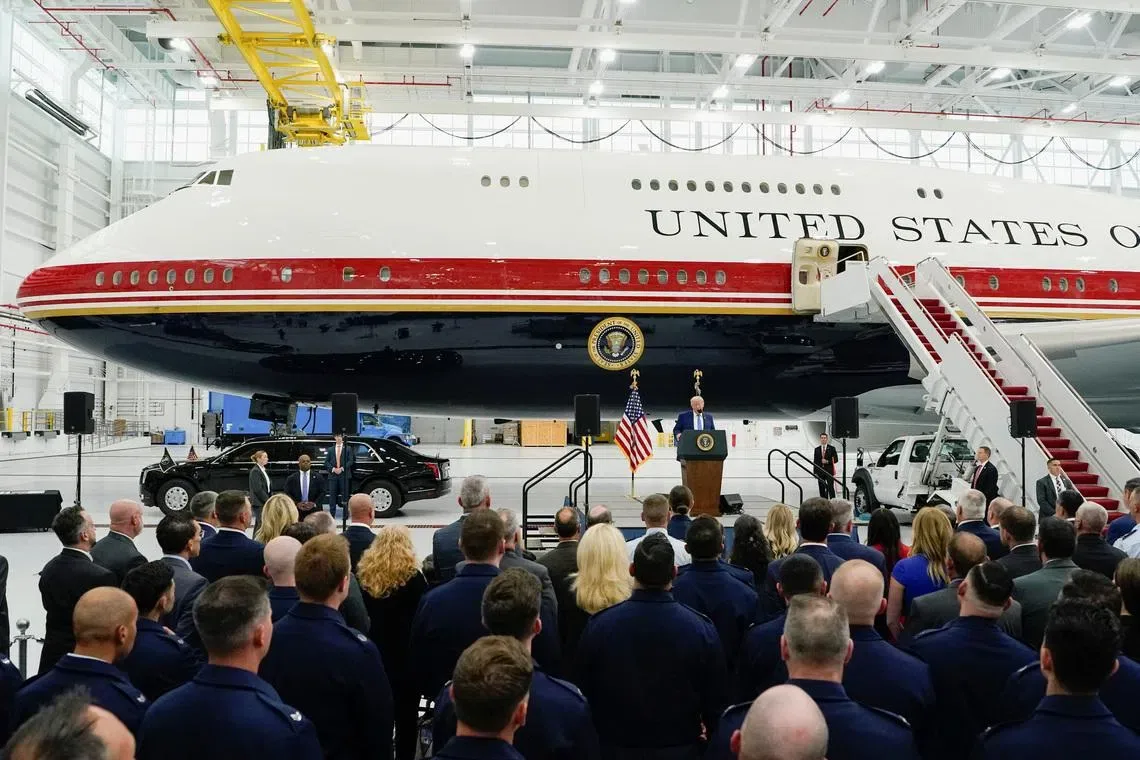
The subpoenas were issued on July 10 by Manhattan U.S. Attorney Jay Clayton, Trump’s pick for director of national intelligence, amid an investigation into leaks of classified national security information during escalating tensions with Iran [1]. The Times had reported that Trump flew on the older plane when leaving Turkey because the new Qatar-donated aircraft lacked antimissile and other defensive features, raising security concerns [1, 2]. Trump denied that security was the issue and said the stop at RAF Mildenhall was to allow service members to see the new plane [2].
Judge Arun Subramanian paused enforcement of the subpoenas on July 23 pending a hearing and was prepared to quash the subpoenas if the DOJ did not withdraw them [1, 3, 2]. The DOJ requested a two-week stay of the subpoenas to continue its investigation. However, the next day the Justice Department withdrew all subpoenas against the journalists [3, 2].
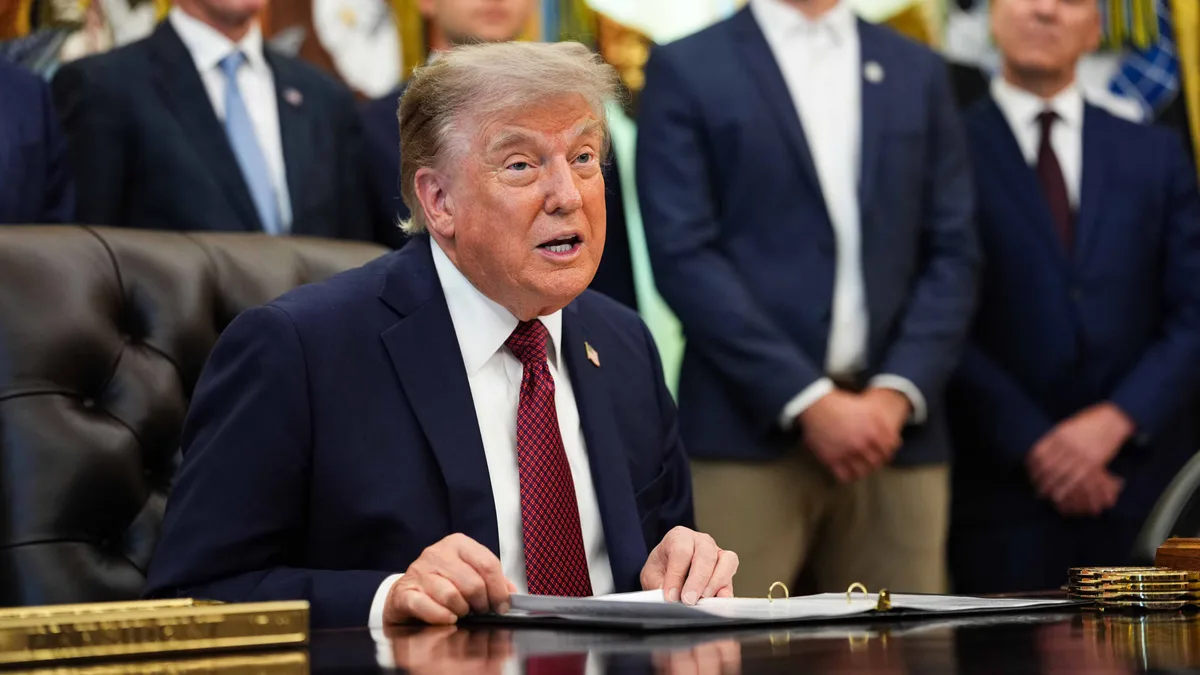
President Trump defended the subpoenas as a method to find national security leakers. He said, "We're not after journalists. We're after leakers. We're after people that are cowards, people that are unpatriotic, people that are treasonous in many cases. And the way you find them is through journalists" [3].
The New York Times called the subpoenas harassment and a violation of First Amendment protections. Senior Vice President David McCraw said, "Today’s proceeding was an important affirmation of our country’s commitment to a free press. We are pleased that the government finally conceded that the subpoenas violated the law, but they should never have been issued in the first place. The Times and our journalists will continue to report and seek the truth without fear or favor" [1, 2].
A DOJ spokesperson emphasized the balance between press freedom and protecting classified information, stating, "We value and appreciate the important role that the press plays in this country, but DOJ also plays an important role to make sure that the people entrusted with our nation's secrets do what they're supposed to do with that information, which means not sharing classified information" [2].
Alongside the journalist subpoenas, DOJ also issued a subpoena to Google as part of the leak investigation [3].
The latest development ends the immediate legal threat against the Times journalists. The investigation into the leaks continues, but no further subpoenas against journalists have been announced as of July 24 [3, 2].