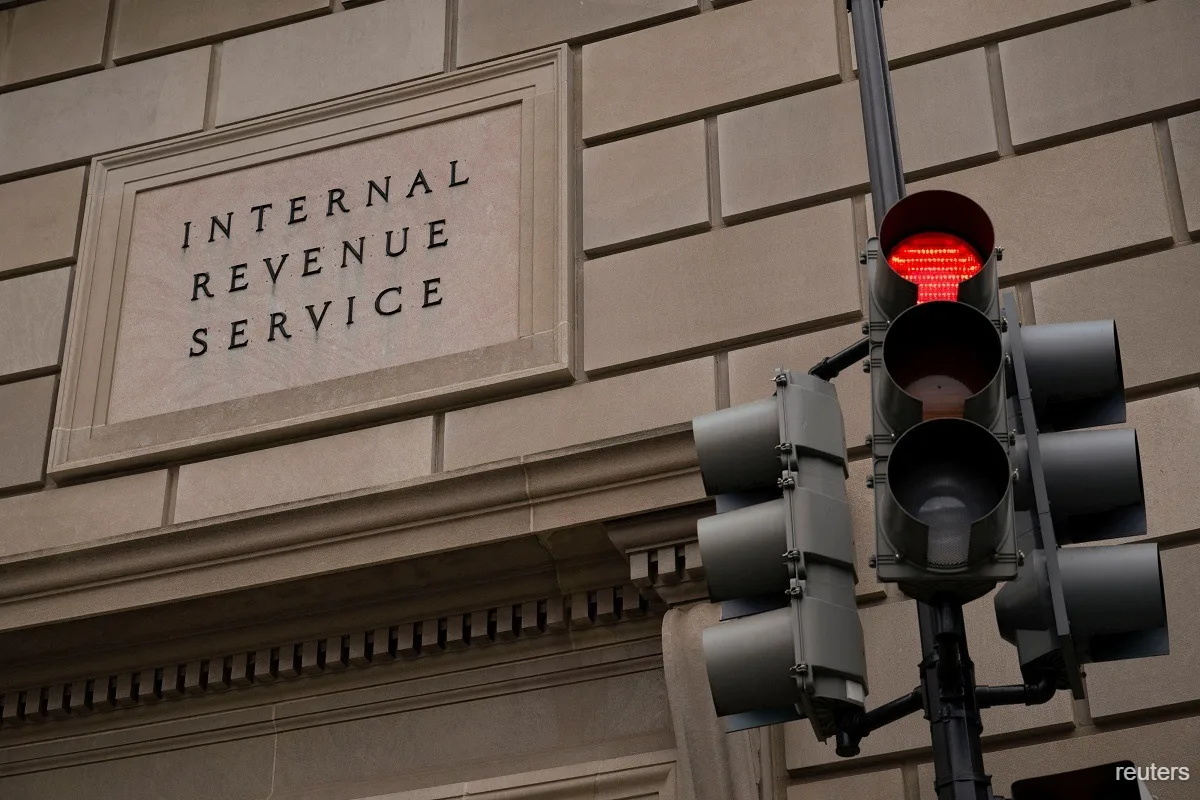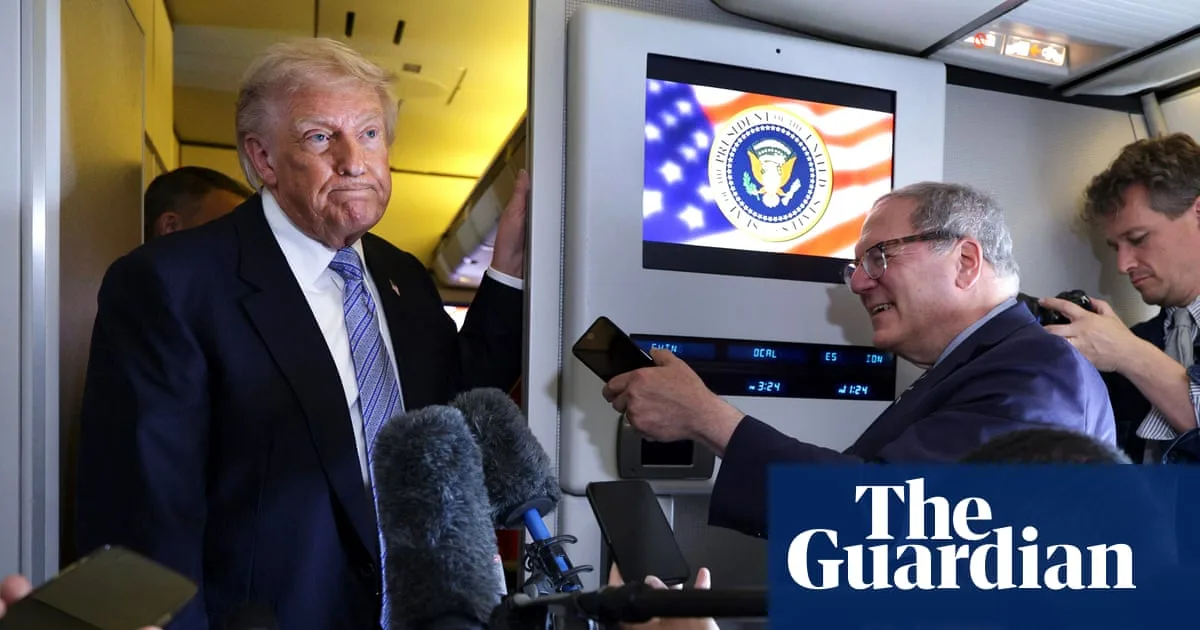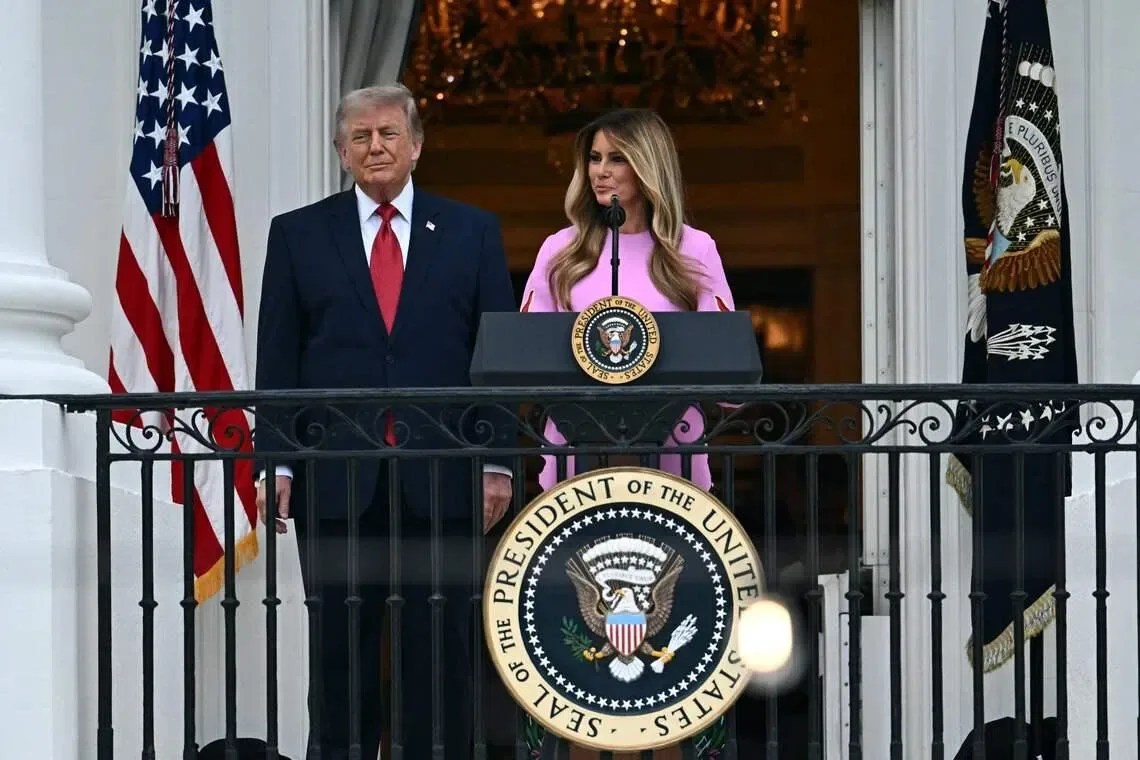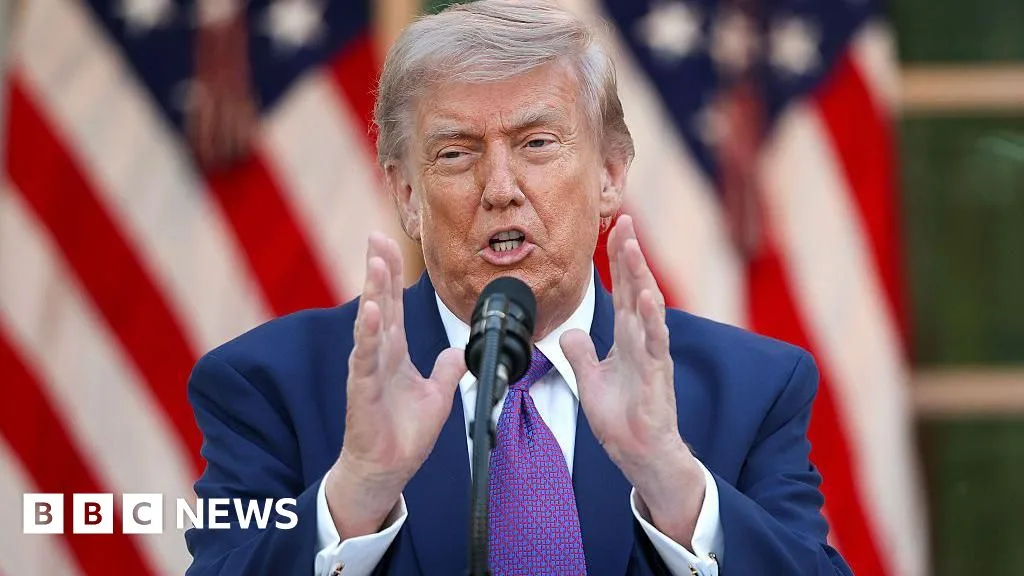
Former President Donald Trump, his sons Donald Trump Jr. and Eric Trump, and the Trump Organization voluntarily dismissed a $10 billion lawsuit against the IRS on May 18, 2026, over leaked tax returns by the IRS contractor Charles Littlejohn [1, 2, 3, 4, 5, 6, 7, 8]. The dismissal was with prejudice, meaning the claims cannot be refiled [1, 2, 3, 8].
The lawsuit stemmed from January 2026, when Trump and his family sued after Littlejohn leaked tax return details showing Trump paid little or no income taxes for many years; Littlejohn pleaded guilty and was sentenced to five years in prison [2, 3, 5, 6]. U.S. District Judge Kathleen Williams had questioned whether the case presented a genuine legal controversy given Trump’s former control over the IRS as president [2, 3, 4, 6, 7].
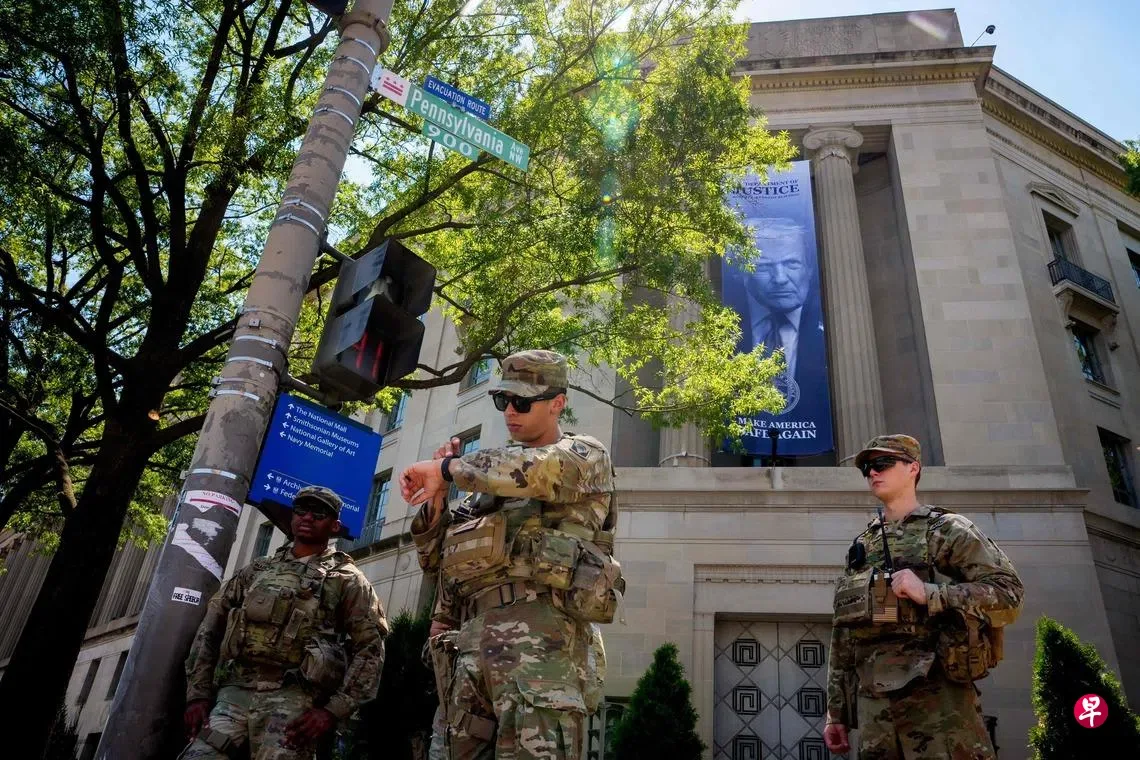
Simultaneously, the Justice Department announced a new $1.7 billion "Anti-Weaponization Fund" to compensate Trump allies who claim they were wrongfully investigated or prosecuted under the Biden administration [1, 9, 10, 11, 8]. The fund will be overseen by a five-member commission mostly appointed by the Attorney General and will handle claims including from individuals pardoned for participation in the January 6, 2021, Capitol riot [1, 9, 10, 11]. Acting Attorney General Todd Blanche said, "The machinery of government should never be weaponised against any American, and it is this Department's intention to make right the wrongs that were previously done while ensuring this never happens again" [1].
The fund will produce quarterly confidential reports to the Attorney General on payouts and recipients, though public transparency will be limited, Blanche said [10]. He added, "There's accountability that the commission has, a quarterly report that has to come to the attorney general, which will certainly be public... There’s a process that you all will get information, and there’s a Foia process" [10].
An amendment added days later bars the IRS from ever auditing or prosecuting Trump, his family, or related companies over past tax returns filed before the settlement [10, 12, 11]. Trump and his sons will not receive direct monetary compensation from the fund but may be able to submit claims; Trump will receive an apology but no damages [1, 10, 11]. Conflicting reports exist on whether Trump or his family can submit claims [1, 10, 11].
The lawsuit dismissal and the fund have drawn sharp criticism from Democrats and watchdog groups, with Senator Chris van Hollen calling it "an outrageous, unprecedented slush fund that you set up" [1, 9, 10, 8]. The Trump administration had previously pardoned some January 6 defendants and approved payouts to allies investigated during his term [11, 8].
Trump’s legal team stated he "will continue his fight to hold those who wrong America and Americans accountable" [1]. U.S. District Judge Kathleen Williams set a court deadline of May 20, 2026, for parties to address the lawsuit’s legitimacy before dismissal [1, 2, 3, 6, 7].