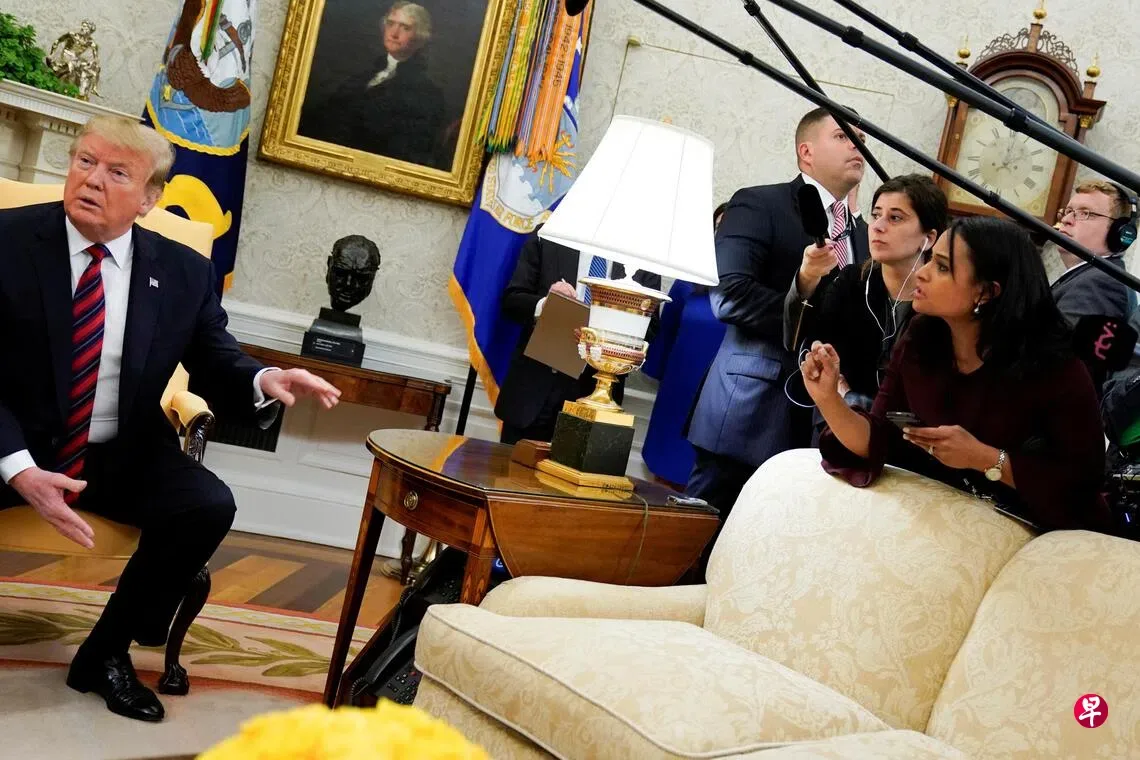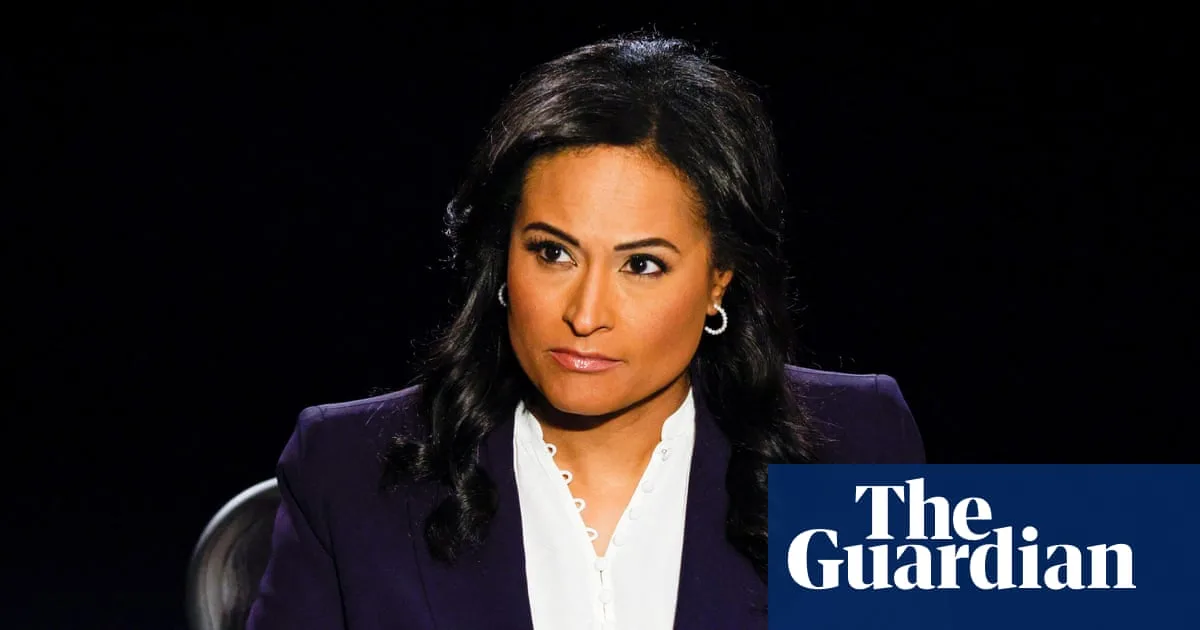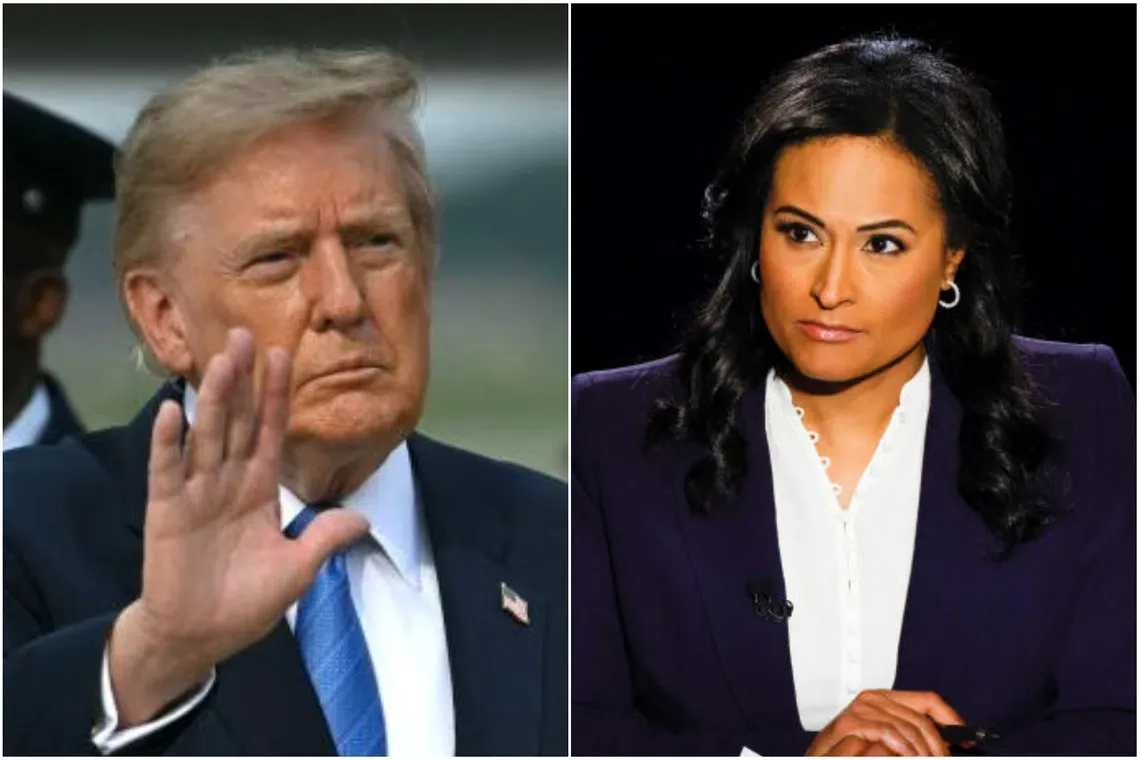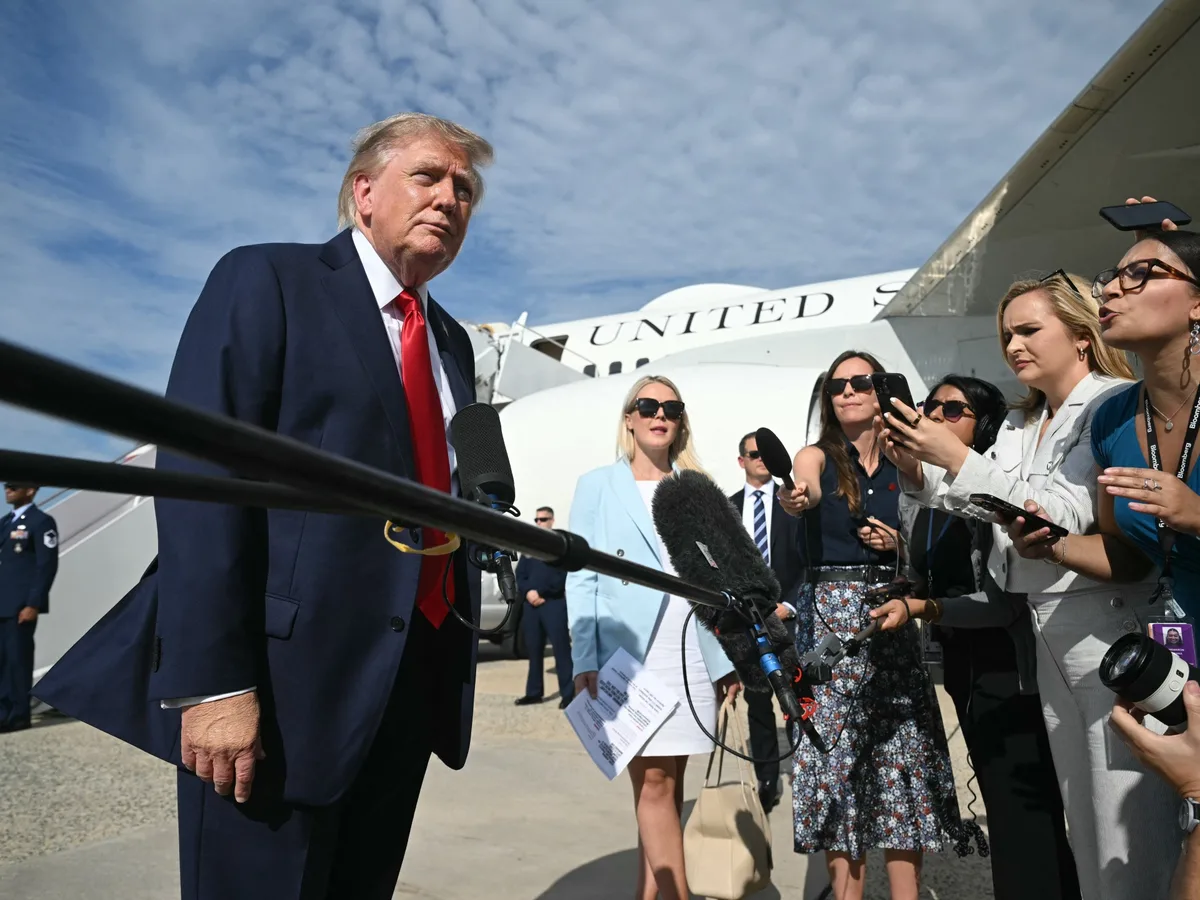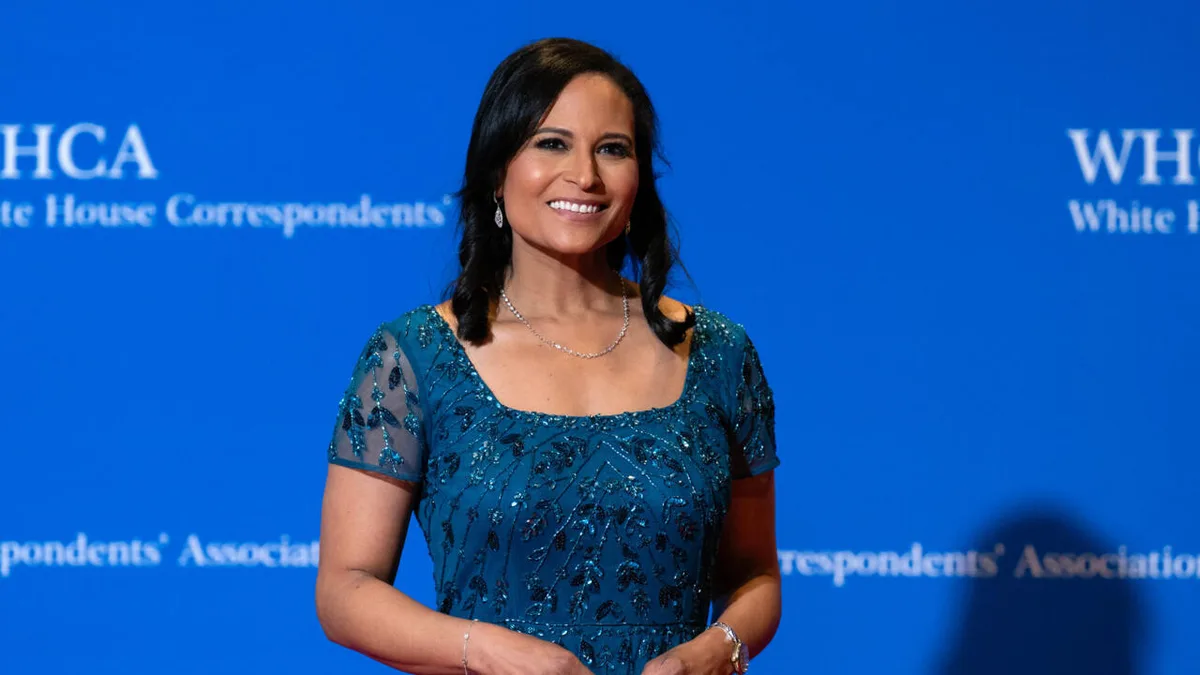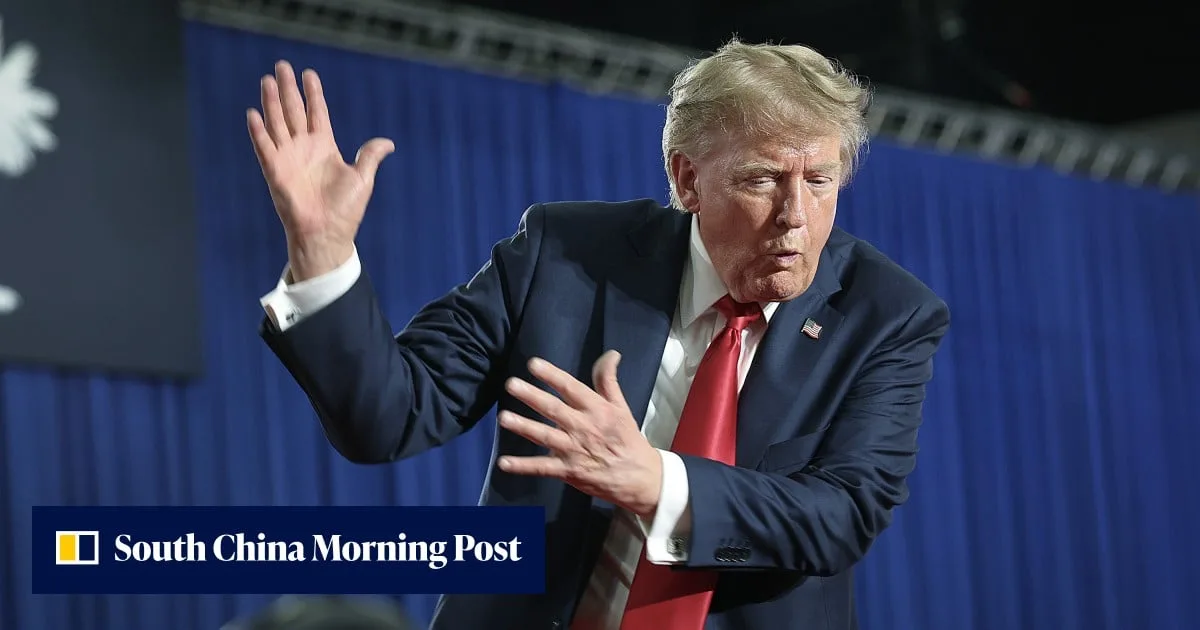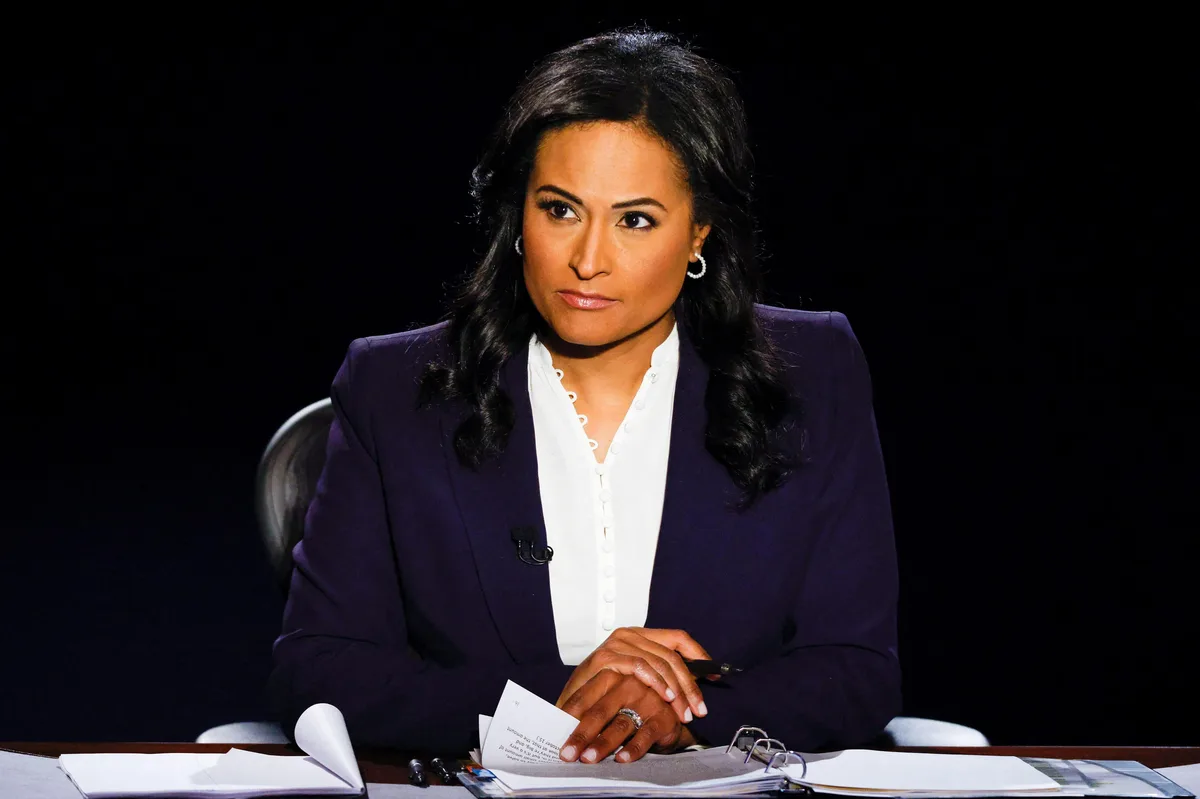
President Donald Trump publicly called for NBC host Kristen Welker to be punished by the Federal Communications Commission (FCC) for reporting that his candidate endorsements have had "mixed results" in Republican primaries. He made the statement on August 30, 2026, following Welker’s remarks on an NBC Washington, D.C. affiliate live segment ahead of the midterm elections [1, 2, 3].
Trump disputed Welker’s characterization, claiming his endorsed candidates have a winning rate between 98% and 100%. He posted on Truth Social accusing Welker of "purposeful inaccuracy" and said he would report her to the FCC for "rebuke or punishment." He also named FCC Chair Brendan Carr and urged the commission to take the "Threat to our Country" seriously [1, 4, 5, 3].
Welker’s comment occurred during a pre-show segment, not during the main Meet the Press broadcast. The later episode aired with Welker as host but did not include discussion of endorsement results [1, 2, 3]. NBC News defended Welker, calling her "one of the best in the business" and stating the network stands by her [4, 5].
Trump’s endorsements have seen significant success, with over 300 endorsed candidates winning elections. In the 2026 primaries alone, 214 of 218 House Republican primary endorsements won, as did all 24 Republican Senate primaries. Despite this strong record, at least 10 Trump-endorsed candidates, including Mike Lindell, lost key primaries, demonstrating some mixed outcomes [1, 2, 6].
Trump’s relationship with broadcast media remains contentious. His past actions include lawsuits against major newspapers, funding cuts for public media, and attempts to leverage the FCC—led by a Trump ally—to pressure broadcasters [4, 7, 8]. Legal experts say the FCC lacks authority to punish broadcasters for their opinions. Courts have consistently ruled the agency cannot ban controversial speech under U.S. law [9].
FCC Commissioner Anna Gomez, the sole Democrat on the commission, publicly rejected Trump’s call. She said on social media that the FCC has no power to punish journalists disliked by the government and warned such threats against press freedom are dangerous and undermine democracy [10, 11].
The controversy follows a June 2026 incident when Trump’s interview with Welker on Meet the Press ended early after a heated exchange [10, 11, 9]. The FCC’s response to Trump’s complaint will be watched closely.
Welker’s supporters maintain the comment was factual analysis ahead of elections, while Trump insists the endorsements have been nearly perfect. The FCC has not announced any formal action in response to Trump’s threat as of August 31.