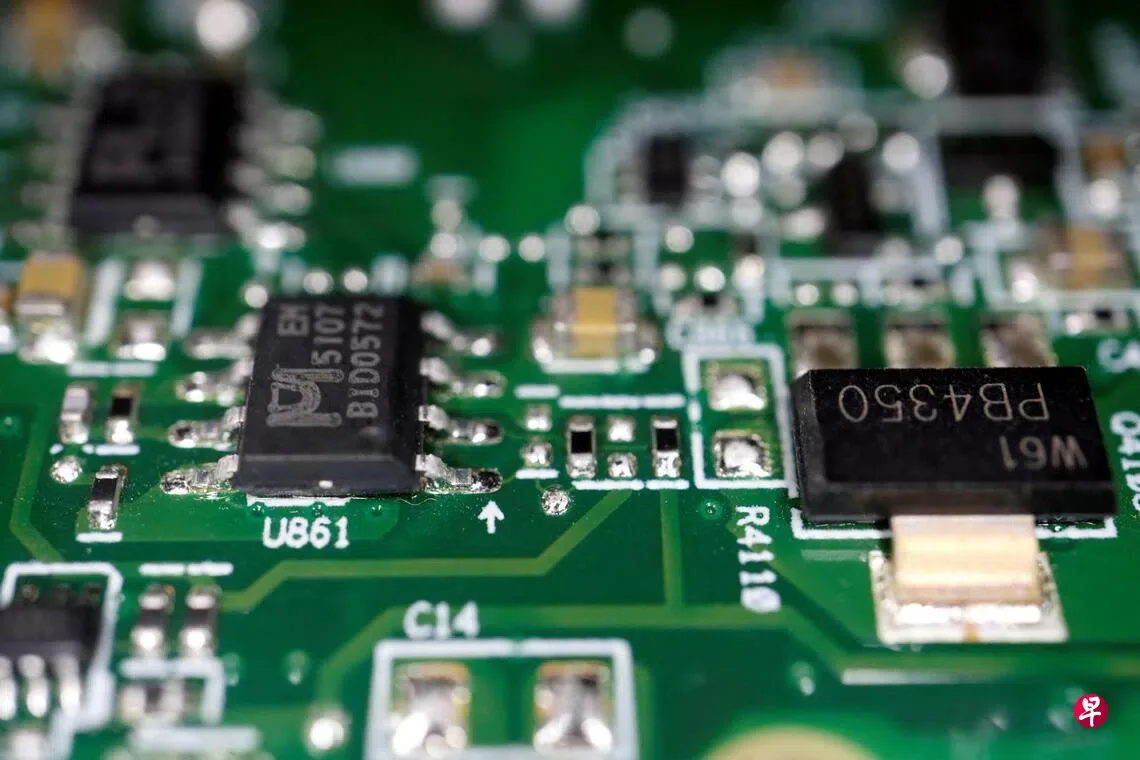
The Dutch Trade Minister, Sjoerd Sjoerdsma, met with US Commerce Secretary Howard Lutnick and several lawmakers in Washington on June 23 to raise concerns about a bipartisan bill aiming to tighten export controls on semiconductors and AI chips to China [1, 2, 3, 4].
The bill, known as the Match Act and proposed in April, would pressure US allies, including the Netherlands, to restrict semiconductor equipment sales to China as part of broader efforts to limit China's access to advanced chip technology [1, 2, 3, 4].
Sjoerdsma said the US and the Netherlands share the goal of preventing sensitive technology from falling into dangerous hands. However, he described some parts of the bill as suggesting that the US might control decisions affecting Dutch national security and companies, which he called "undesirable from the Netherlands' perspective." He told lawmakers, "Elements in that Act seem to suggest that the United States might take control over some of these decisions that affect our national security and the way our companies operate" [1].
He also warned that if the current cooperative relationship with Washington became forced cooperation, "from our point of view, this is undesirable" [2, 4].
The US and the Netherlands have already agreed to restrict ASML, the Dutch maker of advanced chip manufacturing equipment, from selling cutting-edge AI chip tools to China. But disagreement remains over whether ASML should be allowed to sell and service less advanced chipmaking equipment to Chinese customers [1, 2, 3, 4].
That dispute reflects a broader tension in balancing security and economic considerations between the two governments.
On the same day in Washington, Sjoerdsma signed a declaration confirming the Netherlands' membership in Pax Silica, a US-led group coordinating AI supply chains among allied countries. Other members include South Korea and Japan, while Taiwan has endorsed the group as a non-signatory. The European Union is expected to join in the future [1, 2, 3, 4].
Pax Silica is led by Jacob Helberg, US Undersecretary of State for Economic Affairs, and represents a key part of US technology diplomacy efforts [1, 2, 3, 4].
Sjoerdsma emphasized the Netherlands’ responsibility to ensure stability in supply chains and to collaborate closely with partners to prevent disruptions [1, 2, 3, 4].