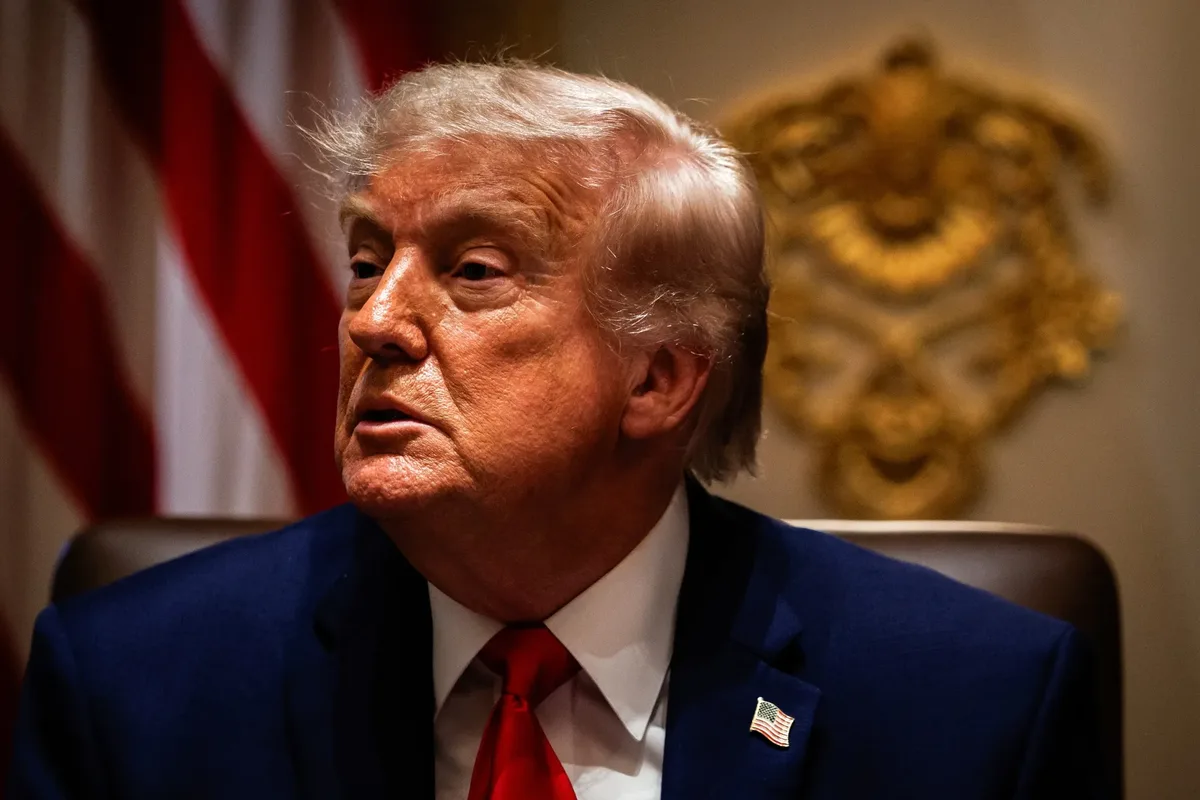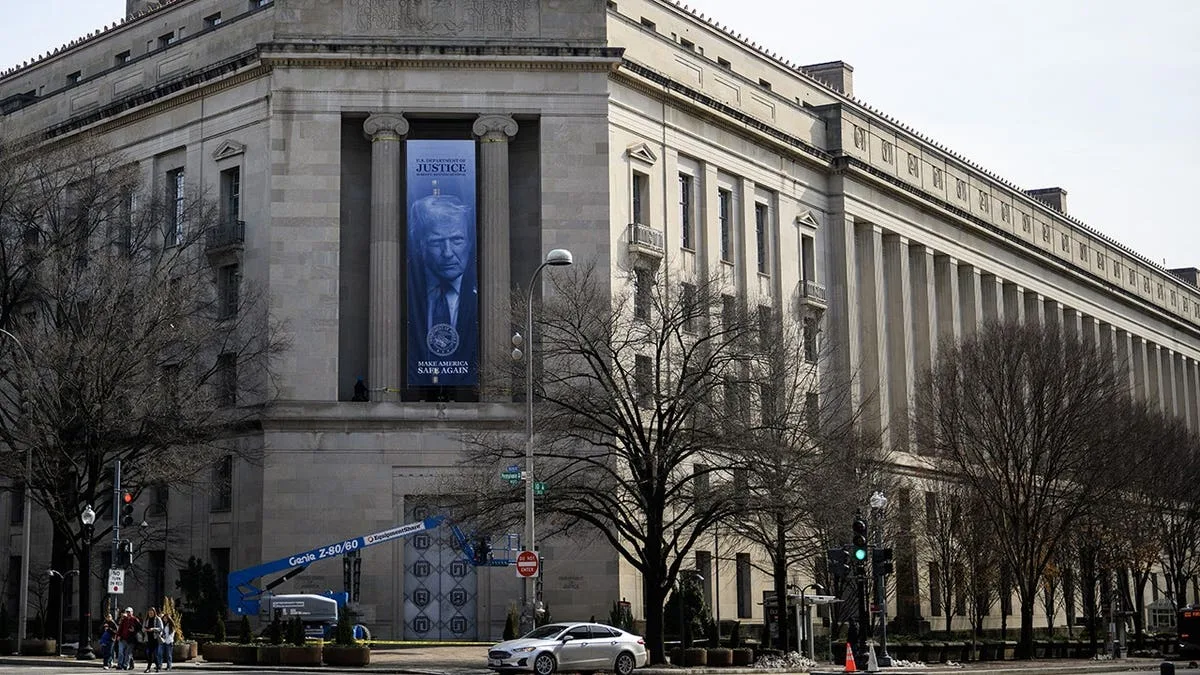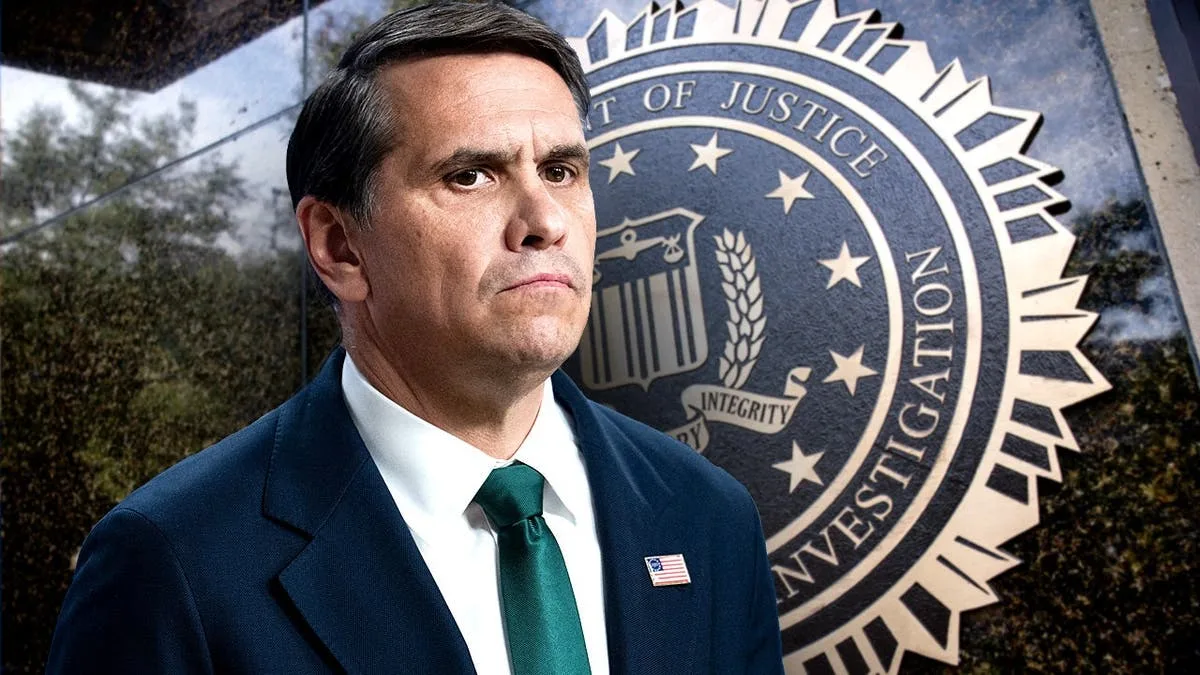
A federal judge in Virginia, Leonie Brinkema, issued a temporary order on May 29 blocking the Trump administration from creating, funding, or disbursing money from the nearly $1.8 billion Anti-Weaponization Fund [1, 2, 3, 4, 5]. The fund was established as part of a $10 billion settlement of a lawsuit that former President Donald Trump filed against the Internal Revenue Service related to leaked tax records [2, 4, 5].
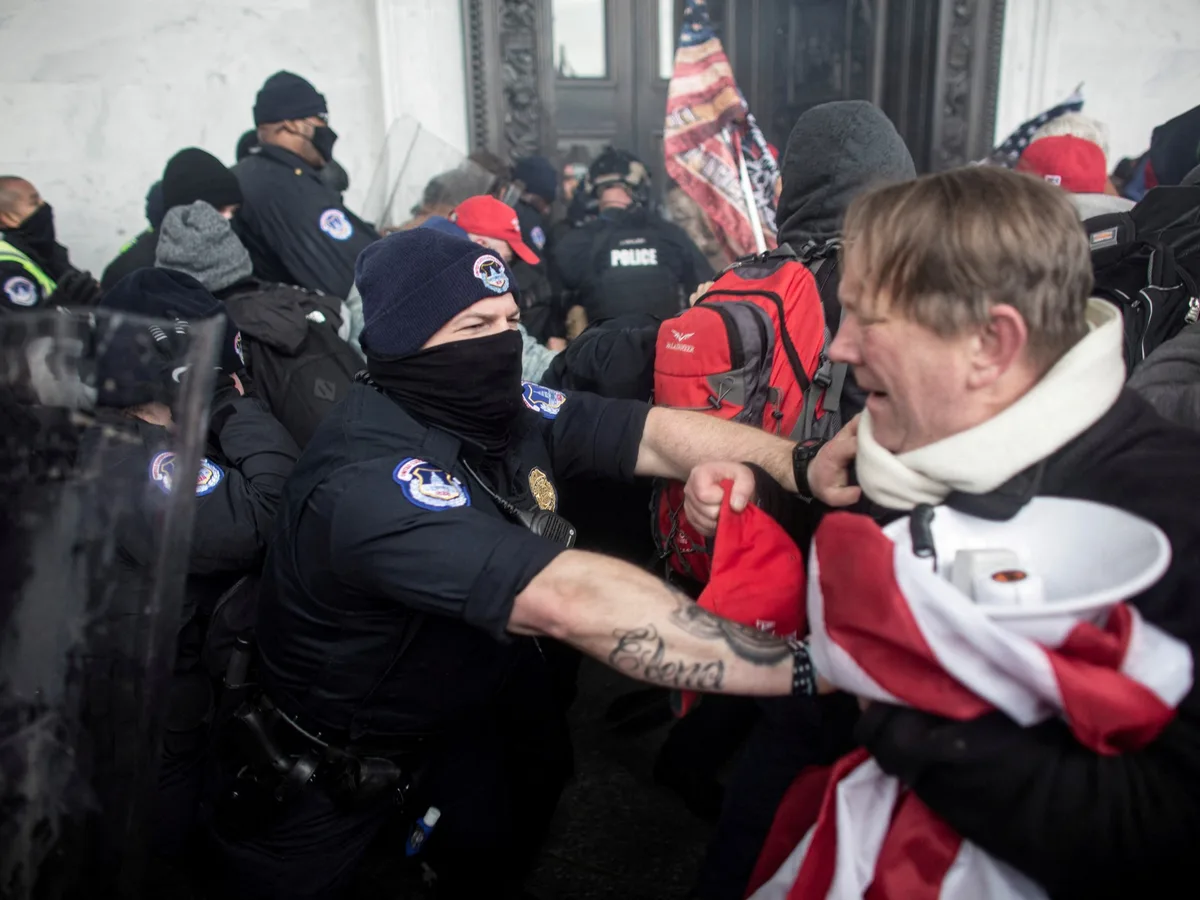
The Anti-Weaponization Fund aims to compensate individuals who claim they were victims of prosecutorial overreach or weaponization of the justice system. This includes some allies of Trump, such as people charged in connection with the January 6 Capitol riot, where nearly 1,600 individuals faced federal crimes and over 1,200 were convicted and sentenced before pardons were issued [2, 3, 4, 5].
No payments have been made yet because the Justice Department has not set up the five-member commission responsible for determining payout criteria [1, 3, 4, 5]. Judge Brinkema said her order was necessary "to ensure that no funds are irreversibly disbursed" before the court resolves the legal dispute [1].
The court scheduled a hearing on June 12, 2026, in Alexandria, Virginia, to hear arguments on whether to extend the block on the fund [6, 3, 4, 5].
The lawsuit challenging the fund was brought by a coalition of former federal prosecutors, left-leaning groups, immigration advocates, and several municipal governments. They contend the fund discriminates by compensating some victims of prosecutorial actions while excluding those targeted under Democratic administrations [6, 4, 5].
Among the plaintiffs is former Department of Justice prosecutor Andrew Floyd, who prosecuted numerous January 6 cases and alleges he was fired in retaliation for his work on them. Floyd told investigators he believes his firing was related to his January 6 prosecutions [3, 5].
Opponents argue the fund is partisan, using taxpayer dollars to compensate Trump supporters but not those who faced investigations by Trump's own administration [3, 4, 5]. The original Trump settlement also granted Trump and his sons immunity from prosecution related to pre-settlement conduct and protection from IRS audits; those provisions have not been challenged in this case [4].
The next court date on June 12 will determine whether the block on the Anti-Weaponization Fund will continue as the case proceeds.