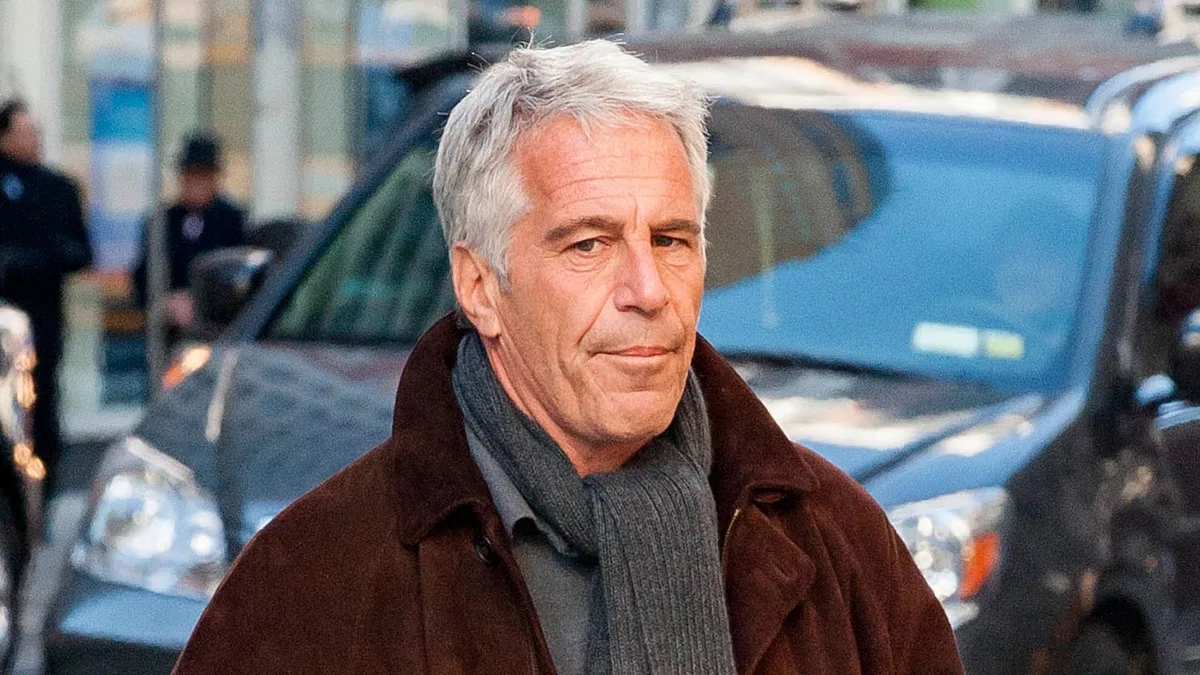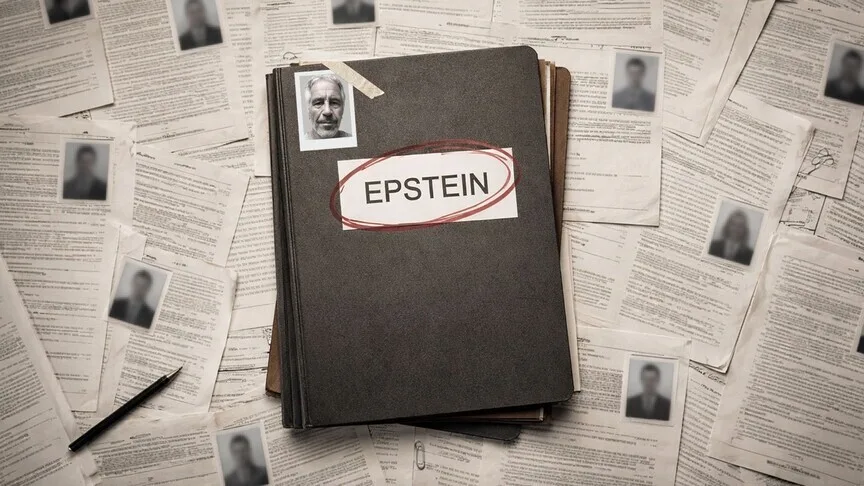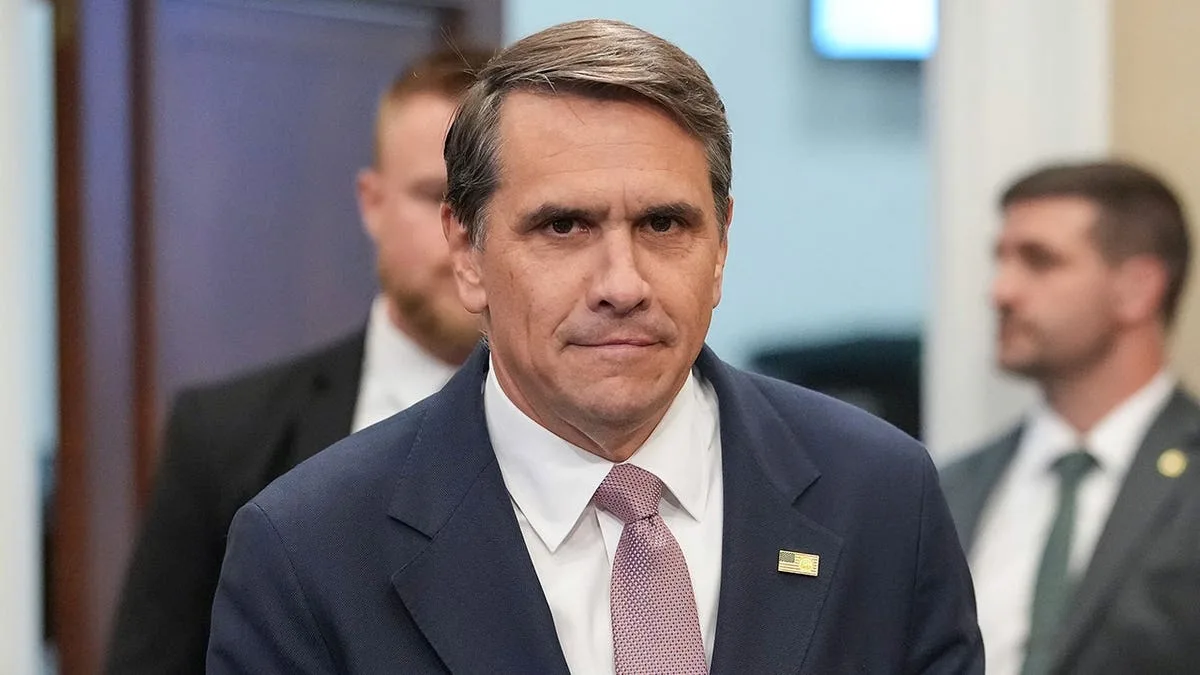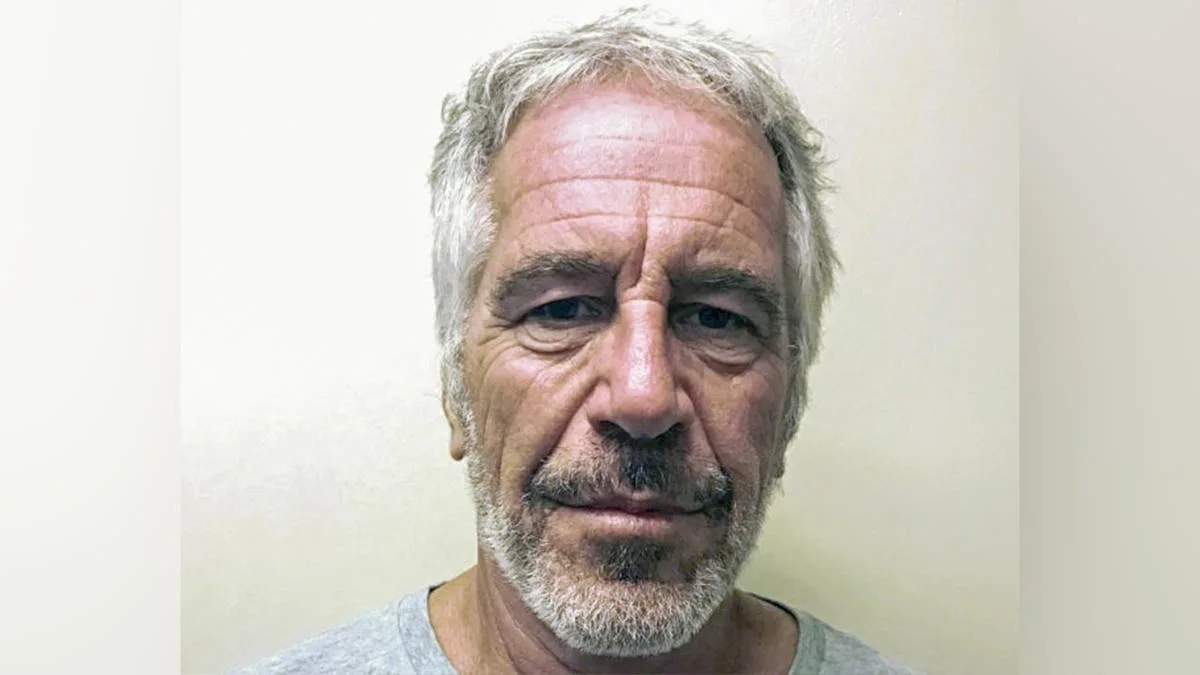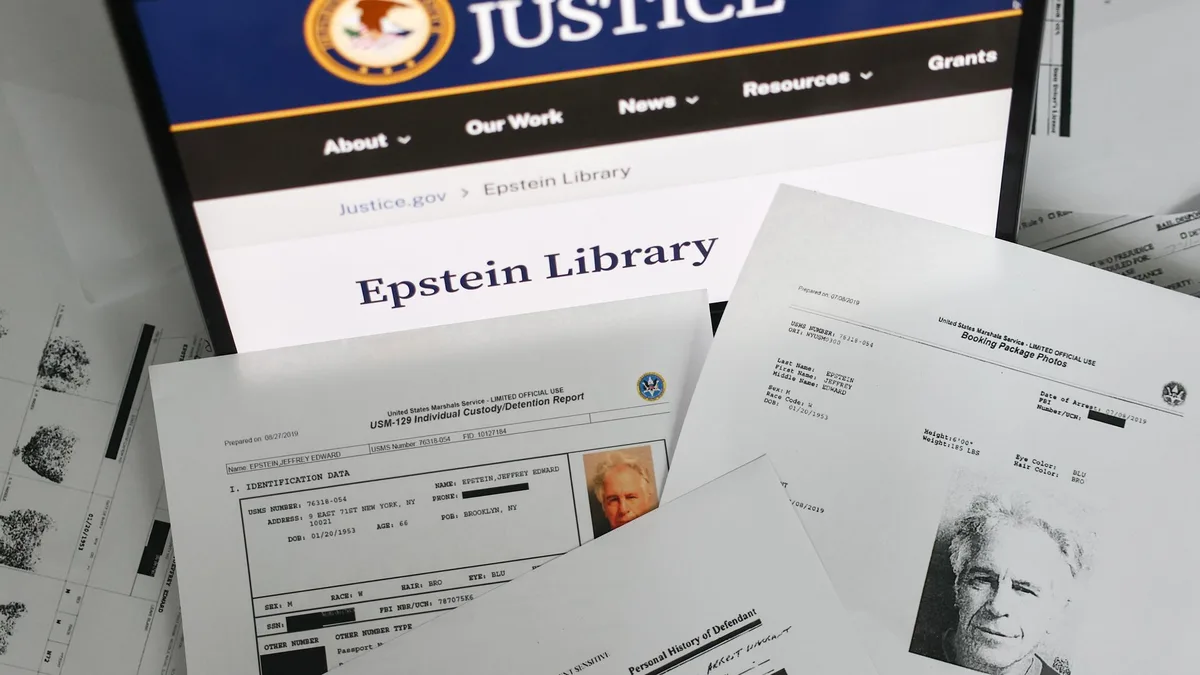
US District Judge Emmet Sullivan on June 25 ordered the Department of Justice to release additional unredacted records related to Jeffrey Epstein or provide a legal justification for withholding them by July 2, 2026 [1, 2, 3, 4]. The order arose from a lawsuit filed in April by independent journalist and legal analyst Katie Phang accusing the DOJ of failing to comply with the Epstein Files Transparency Act passed last year [1, 2, 3, 4].
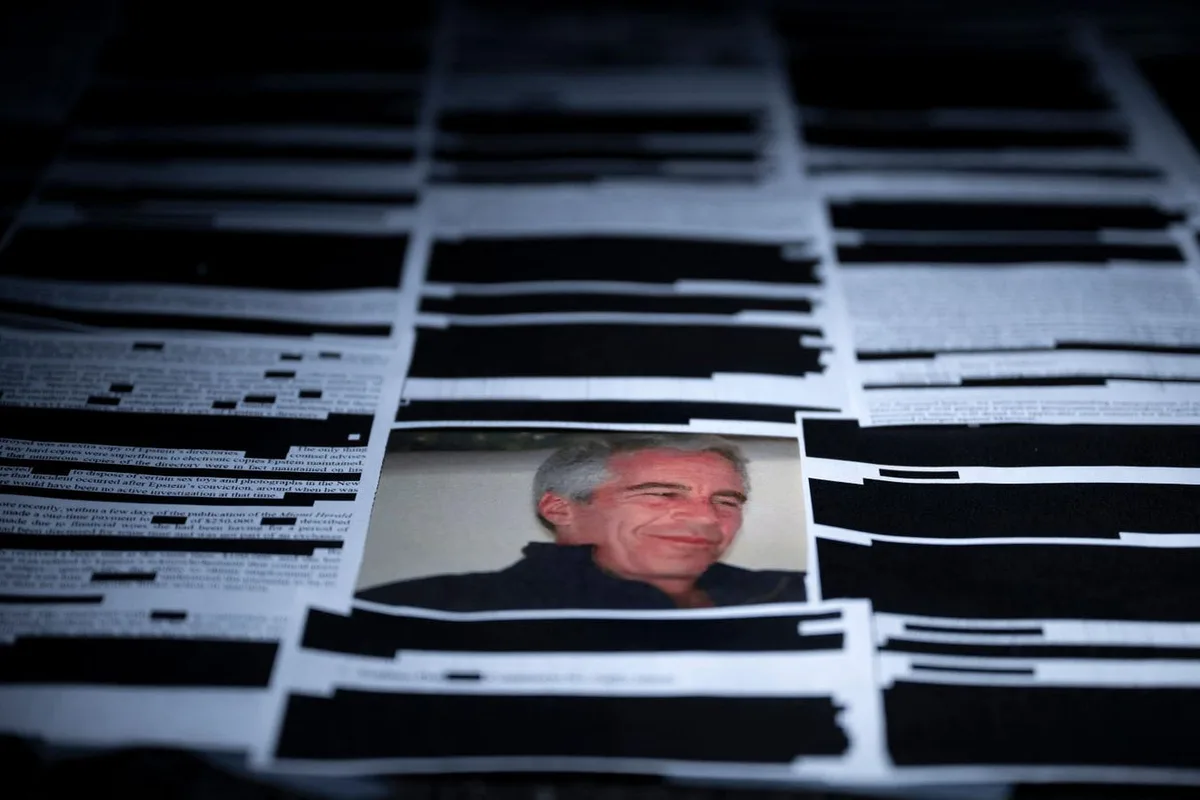
The DOJ has already released more than 3.5 million pages from a total of about 6 million Epstein-related files but withheld or redacted certain documents, including names of email participants and alleged co-conspirators [1, 4]. The judge's order targets at least eight heavily redacted emails referencing a "torture video," a 2007 draft indictment with redacted co-conspirator names, and 2019 FBI interview notes related to uncorroborated sexual assault allegations involving former President Donald Trump [1, 2, 3, 4].
Judge Sullivan ruled that appeals under the Freedom of Information Act do not provide an adequate remedy and affirmed Phang's right to sue for transparency [1, 3]. The DOJ argued Phang should have used a FOIA request, but Phang's lawyers said their client was denied FOIA access [1, 2, 3].
Phang criticized the DOJ for failing to provide a redaction log explaining why certain information remained withheld, saying, "In the absence of this redaction log, how in the actual hell is anyone…supposed to know if in good faith there has been anything done by the DOJ that has been a legal redaction or withholding?" [2]. Phang's attorney Brendan Ballou accused the government of trying to ignore its own law and judicial orders [3].
Some redacted emails refer to an Epstein email stating he "loved the torture video," but the nature of the video remains unclear [1, 2, 4]. The DOJ has withheld parts of the files citing legal privilege or duplication [4]. President Trump has denied all Epstein-related allegations and faces no charges connected to the files [1, 4].
Under the court order, the DOJ must release the unredacted documents or explain its reasons for redactions by July 2, 2026 [1, 2, 3, 4].