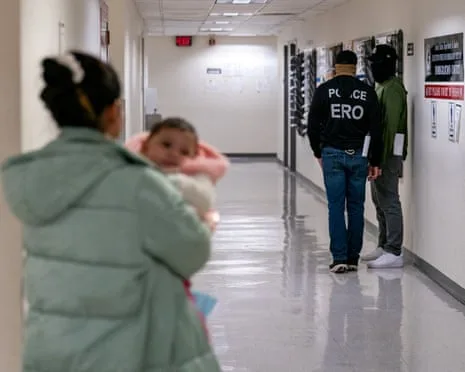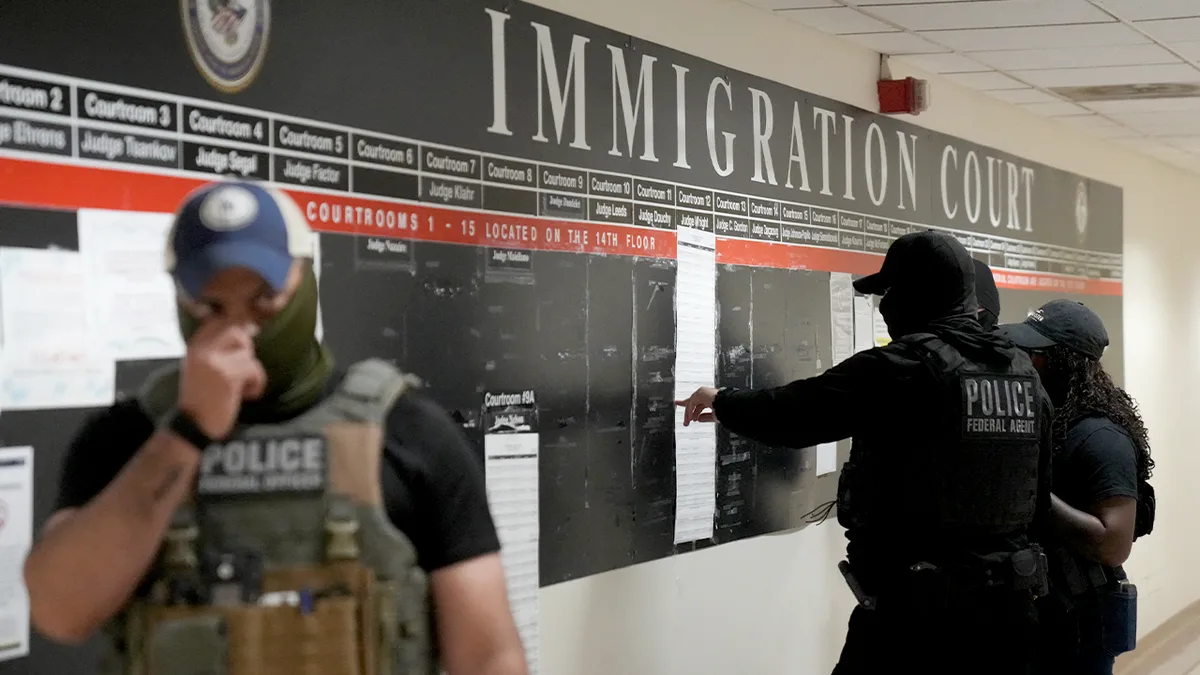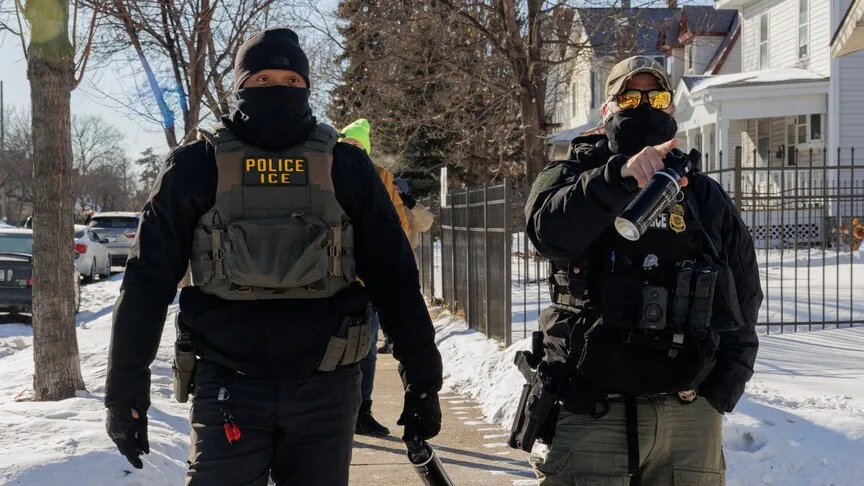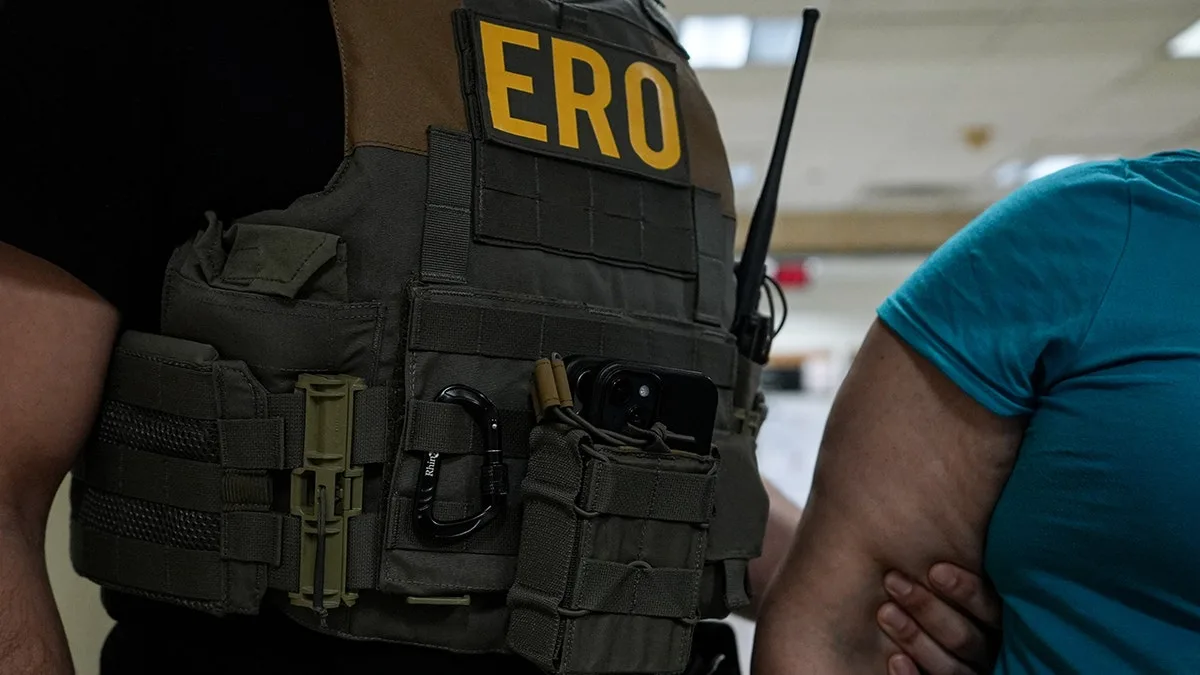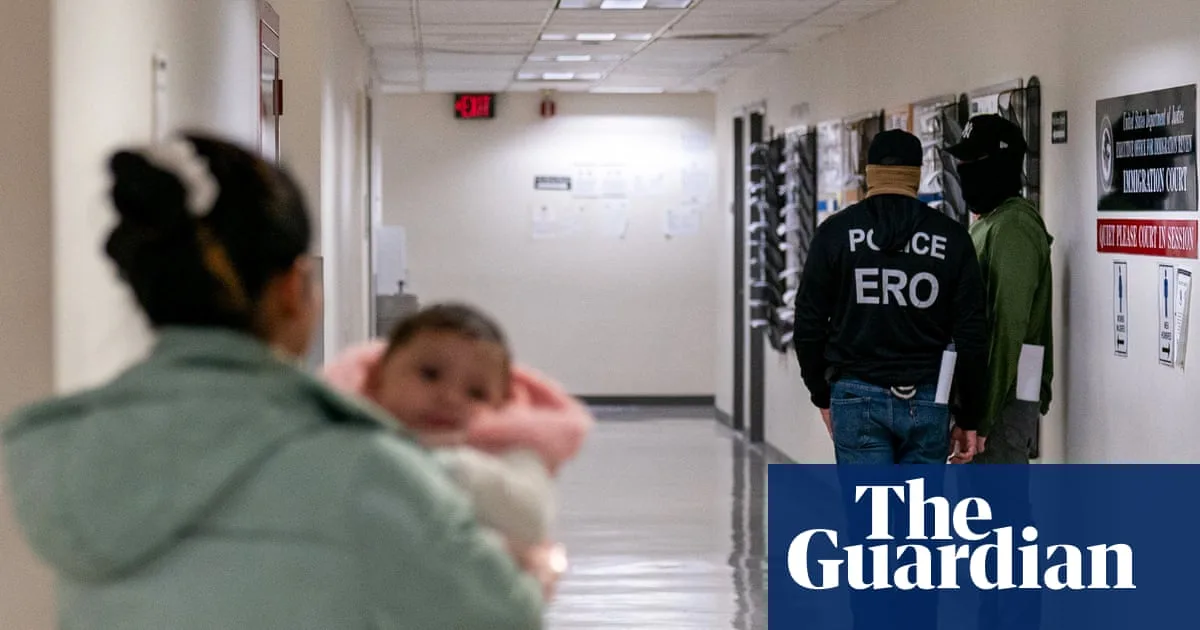
A federal judge in California struck down policies from the Trump administration that broadened arrests at immigration courthouses and allowed detainees to be held up to 72 hours in short-term facilities, reinstating stricter Biden-era limits [1, 2, 3].
U.S. District Judge P. Casey Pitts of the Northern District of California issued a 71-page ruling on June 23 calling the Trump-era policies "arbitrary and capricious" and lacking the required reasoned explanation under the Administrative Procedure Act [1, 2, 3]. Pitts emphasized that the policies failed to address the "chilling effect of courthouse arrests on noncitizens’ attendance at court proceedings," a critical concern for ensuring fair hearings [2]. The judge wrote, "For 80 years, Congress has commanded federal agencies to think before they act. An agency must at least provide sound reasons for following its chosen course" [1].
The ruling reinstated Biden-era rules that limit arrests at immigration courthouses to narrow circumstances such as national security threats, imminent danger, or hot pursuit, and capped holding times in ICE’s short-term detention facilities to 12 hours, down from 72 hours under the Trump rules [1, 3].
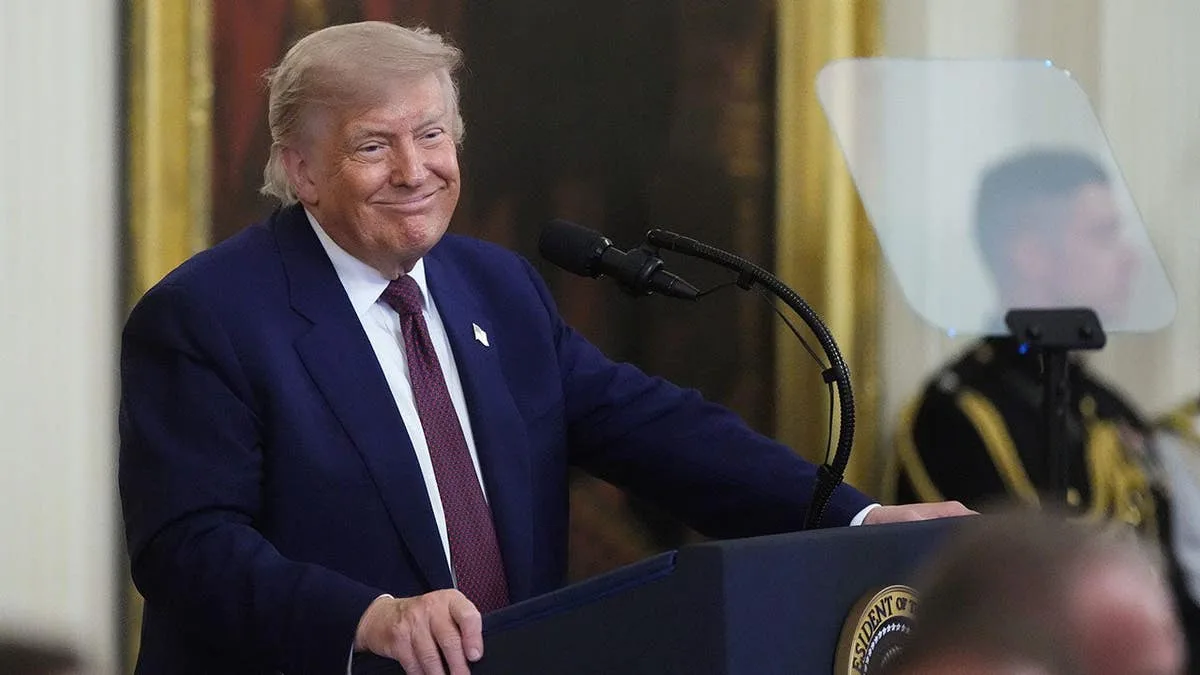
The Trump administration put the expanded courthouse arrest policies into effect after retaking office in January 2025 as part of an aggressive deportation strategy [1, 2, 3]. These policies loosened previous restrictions, allowing more frequent and longer detentions at courts.
The lawsuit prompting the ruling was filed by asylum seekers arrested after attending their immigration hearings, highlighting concerns about the negative impact on noncitizens’ ability to access the courts [1, 3]. Judge Pitts stated that merely extending the 2025 courthouse arrest policies to immigration courts would not fix the fundamental flaws, as the policies ignored the important problem of discouraging court attendance [2].
James Percival, general counsel for the Department of Homeland Security, criticized the ruling on social media, calling it "naked judicial activism in service of an anti-American, open borders agenda" [1].
The ruling takes immediate effect, returning enforcement practices to those in place under the Biden administration before the Trump-era expansions.