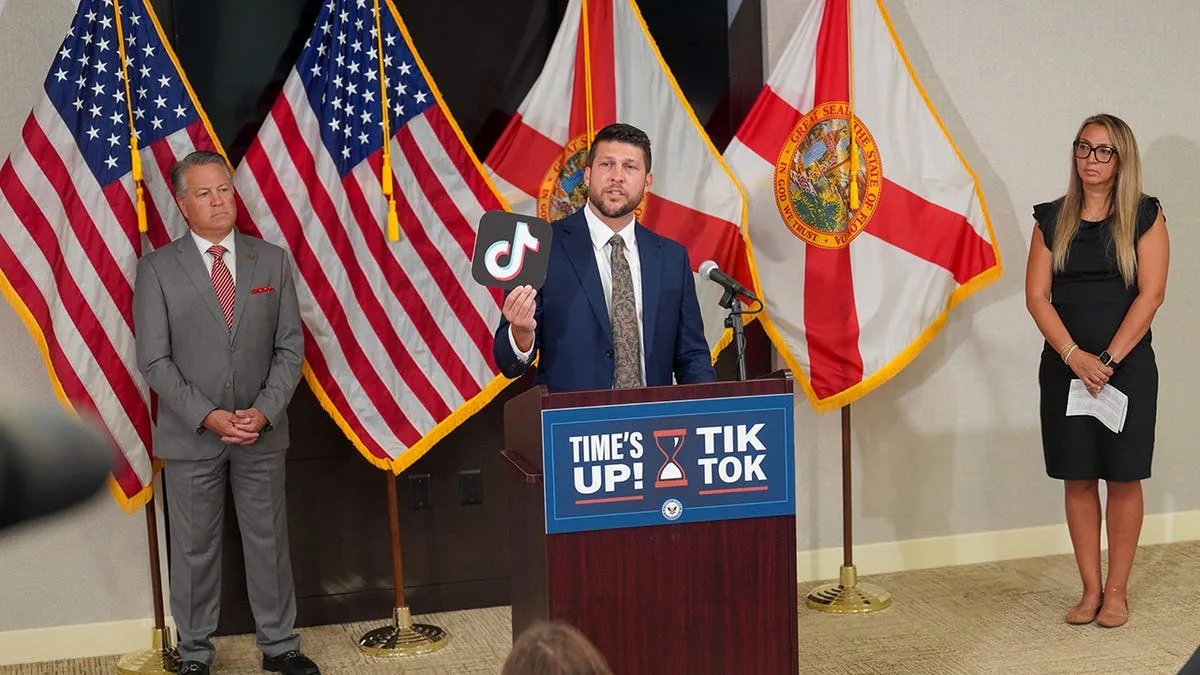
Florida sued TikTok on June 15, 2026, accusing the social media platform of violating a state law that bans children under 14 from using social media and requires parental consent for users aged 15 and 16 [1, 2, 3, 4]. The lawsuit alleges TikTok allows children under 14 to create accounts and lets 15- and 16-year-olds join without parental consent, breaking Florida’s HB3 law [1, 2, 3, 4]. Florida’s Attorney General James Uthmeier said, "TikTok’s success hinges on its ability to addict children and teenagers to the platform. TikTok knowingly deceives parents and allows children to be exposed to harmful and inappropriate content in direct violation of Florida law" [4]. He added, "We are going to get our kids their lives back" [1].
The complaint details concerns over mature content including sexual material, drug and alcohol use, nudity, profanity, and messages about self-harm that TikTok allegedly exposes to children [1, 2, 3, 4]. It also says TikTok’s algorithm and app design are intentionally addictive, keeping children and teens engaged for six to eight hours or more daily [1].
Florida seeks court orders forcing TikTok to comply with HB3 and penalties of up to $50,000 per violation [4]. The law, enacted January 1, 2025, initially faced a federal judge's block but was reinstated by an appeals court in late 2025 [2, 4]. TikTok said it is "engaging constructively with Florida officials," has notified Florida users under 14 their accounts will be suspended, and is "evaluating the state's complaint" while preparing to "defend our strong record on minor safety" [1, 2, 4]. A TikTok spokesperson said, "TikTok is built with safety at its core" [1].
TikTok has faced lawsuits from about two dozen other U.S. states over claims related to child mental health and addictive features of its feed [1, 2]. Florida’s lawsuit follows the reinstatement of HB3 and seeks enforcement against alleged ongoing violations. Further legal proceedings will decide compliance and any penalties.