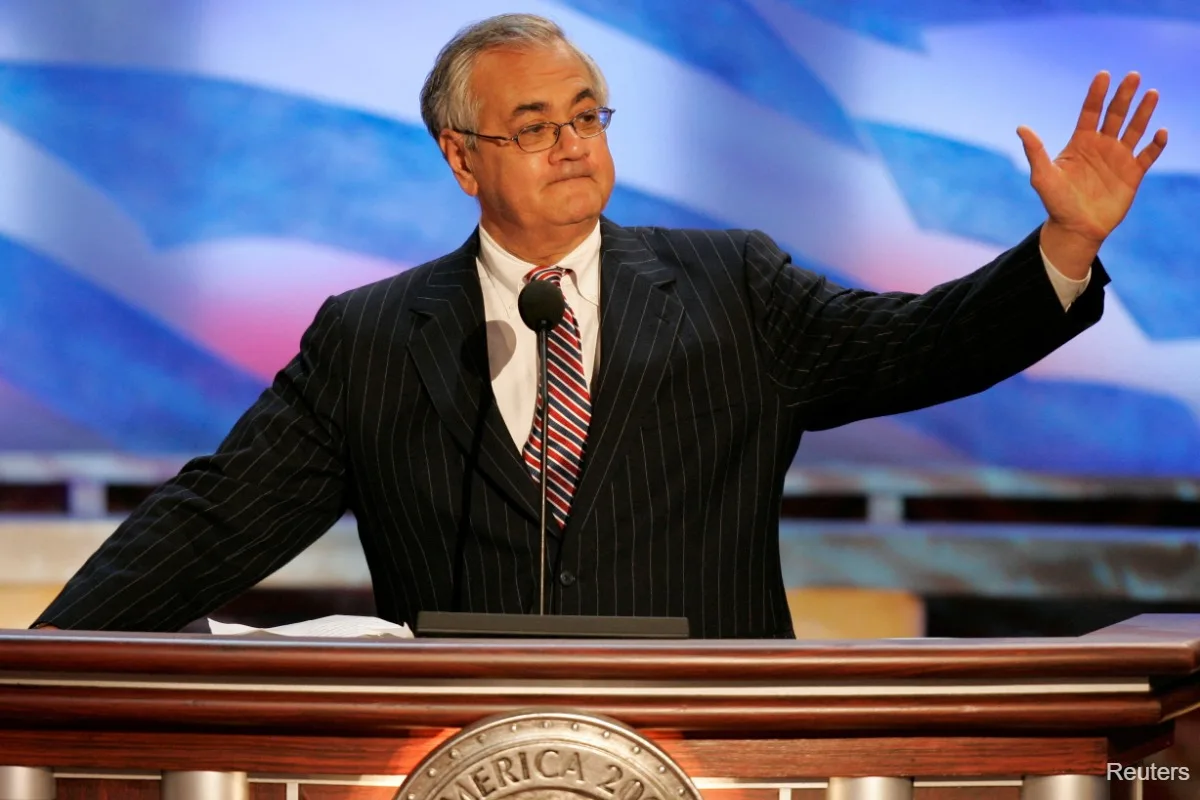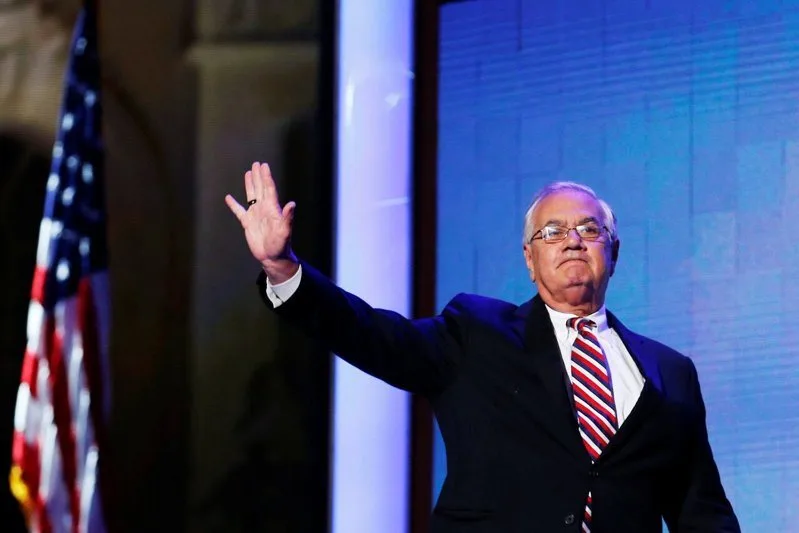
Barney Frank, the former U.S. Representative from Massachusetts and a central figure in financial reform, died peacefully in hospice care at age 86 on May 19, 2026 [1, 2, 3]. Frank served 16 terms in the House from 1981 until his retirement in 2013, a span of 32 years [4, 5, 6, 2, 7, 3].
Known as a witty and pragmatic liberal Democrat, Frank was a trailblazer for both financial regulation and LGBTQ rights [1, 4, 5]. He co-authored the landmark Dodd-Frank Wall Street Reform and Consumer Protection Act, signed into law in July 2010, which imposed stricter bank regulations and created the Consumer Financial Protection Bureau (CFPB) to prevent another financial crisis [1, 2, 3, 8]. Frank also chaired the House Financial Services Committee during the 2008 global financial crisis, helping pass the $700 billion Troubled Asset Relief Program (TARP) bailout [1, 7, 9].
Born Barnett Frank in 1940 in Bayonne, New Jersey, he earned degrees from Harvard University and Harvard Law School before his lengthy congressional career [1, 4]. In 1987, he became the first sitting member of Congress to publicly come out as gay, breaking barriers for LGBTQ representation in politics [4, 2]. Frank pushed to repeal "Don't Ask, Don't Tell" and in 2012 became the first sitting congressman to marry a same-sex partner, Jim Ready [4, 5, 6, 2]. Reflecting on his coming out, Frank later said, "There was just no -- there was no possibility of being openly gay and having any kind of an impact on the rest of the society" [2].
After retiring in 2013, Frank served on the board of Signature Bank, which was shut down by regulators in 2023 [2].
Massachusetts Governor Maura Healey praised Frank as "a unique figure" and "a giant in public affairs who made Massachusetts and all of America better" [4]. Frank was widely mourned by politicians and leaders following news of his death [4, 5, 6, 7, 9].