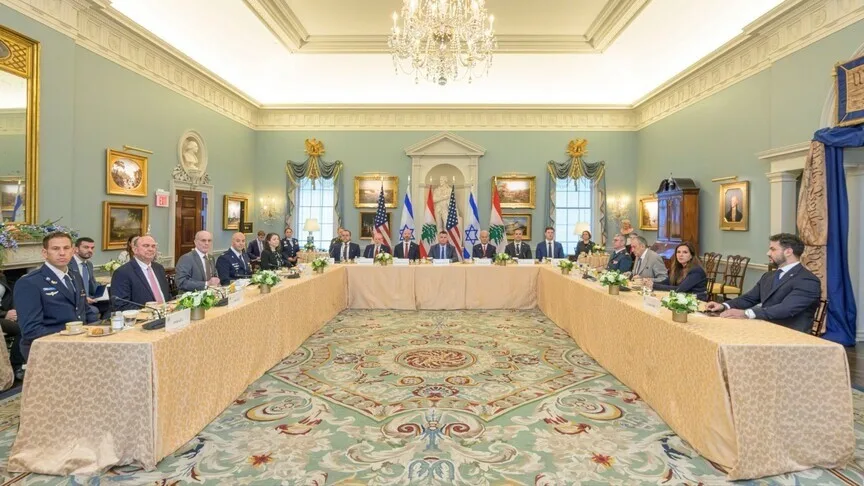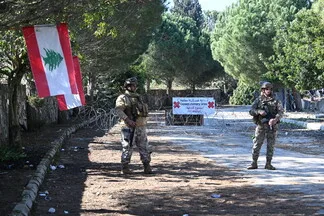
The fourth round of US-mediated talks between Lebanon and Israel took place on June 2 and 3, 2026, at the US Department of State in Washington, DC [1, 2, 3, 4]. The two-day session focused on resolving the ongoing conflict and Israeli military presence in southern Lebanon, with Lebanon demanding a full ceasefire and complete withdrawal of Israeli forces [1, 4].
Israel sought guarantees that Lebanon would disarm Hezbollah, while Lebanon called for a return to the 1949 armistice line and the repatriation of displaced people [1]. Hezbollah is not participating in the negotiations [1].
Despite a US-mediated ceasefire effective since April 17, 2026, and extended until early July, Israeli military operations in Lebanon have continued. These attacks have killed between 3,433 and 3,468 people and injured over 10,395 since March 2, 2026 [1, 2, 3, 4]. The conflict has displaced more than 1 million people and caused widespread damage to Lebanon's civilian infrastructure [1, 2].
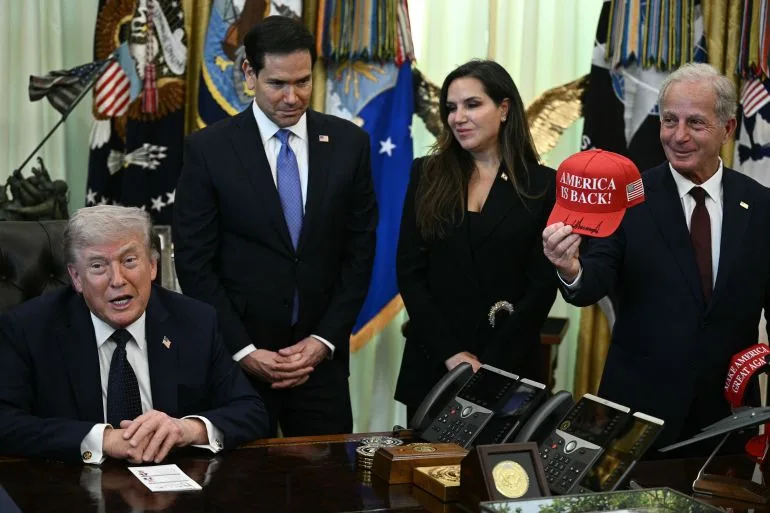
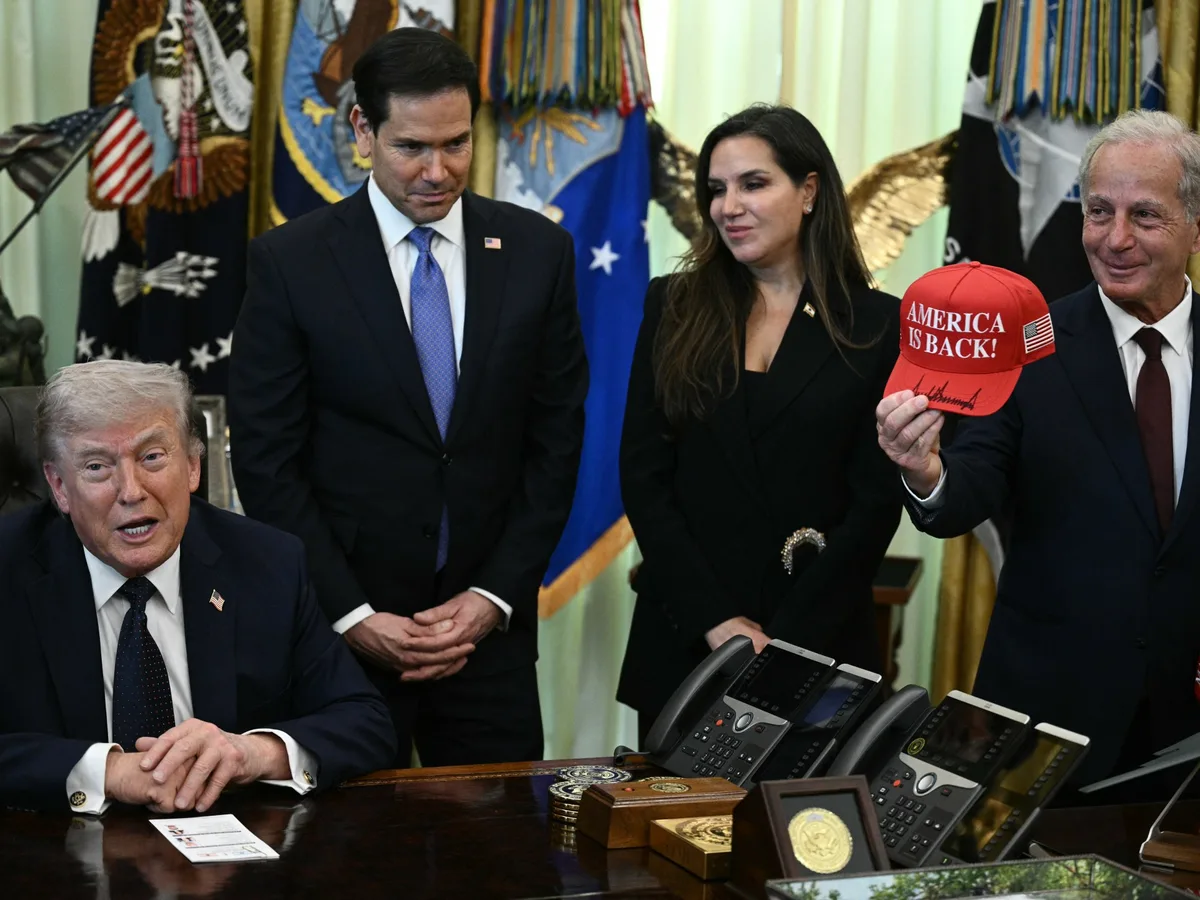
Israeli Prime Minister Benjamin Netanyahu reportedly ordered deeper incursions and strikes on Beirut but was restrained after a telephone call from US President Donald Trump, who assured that Israeli forces would not advance on Beirut. Trump said that "Israel and Lebanon’s Hezbollah group had reached an understanding to cease attacks against each other. There will be no Israeli troops going to the Lebanese capital, Beirut" [2, 3, 4].
US State Department spokesman Tommy Pigott said, "Progress continues on the political and security tracks as we break from the failures of the past 20 years and advance toward a comprehensive agreement aimed at restoring Lebanon’s sovereignty and ensuring Israel's security" [3].
Some analysts suggest Israel aims to fuel sectarian tensions within Lebanon to provoke internal strife, though this claim carries medium confidence [1].
The talks build on previous rounds held since April, including ambassador-level meetings and military representatives' discussions, all excluding Hezbollah [1]. The fourth session occurred amid a surge in Israeli military actions in Lebanon, highlighting the urgency of diplomatic efforts [3, 4].