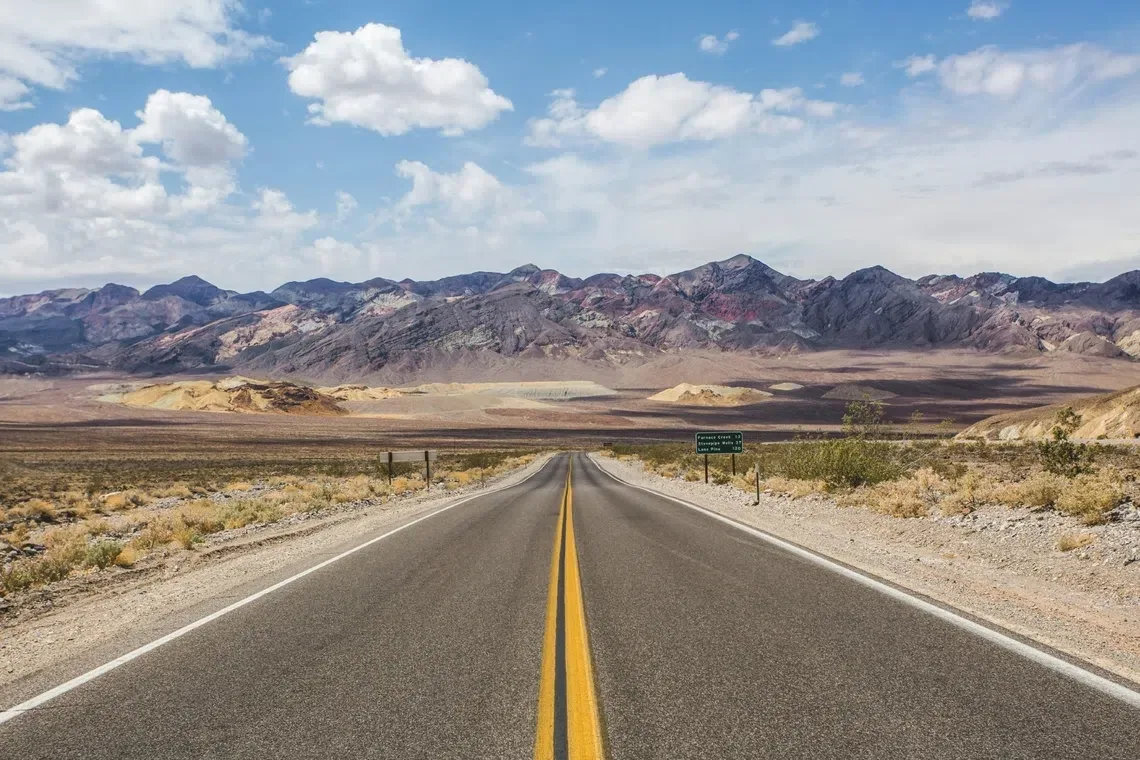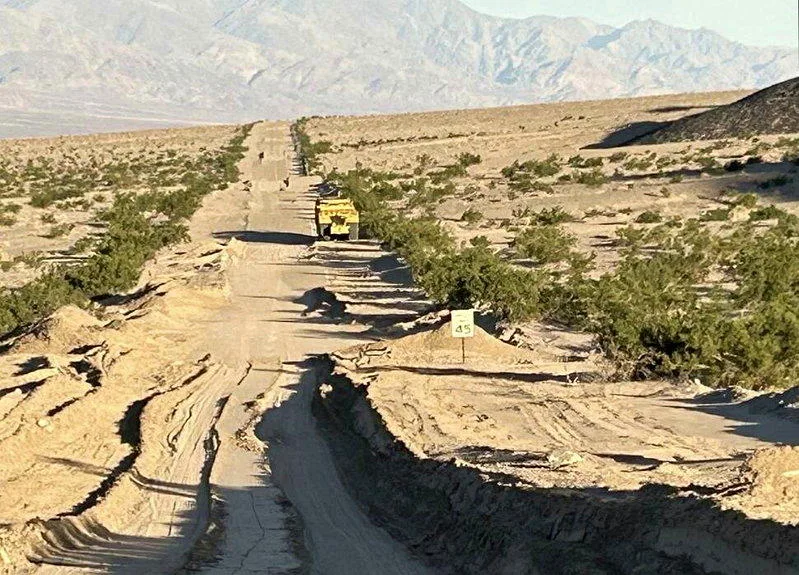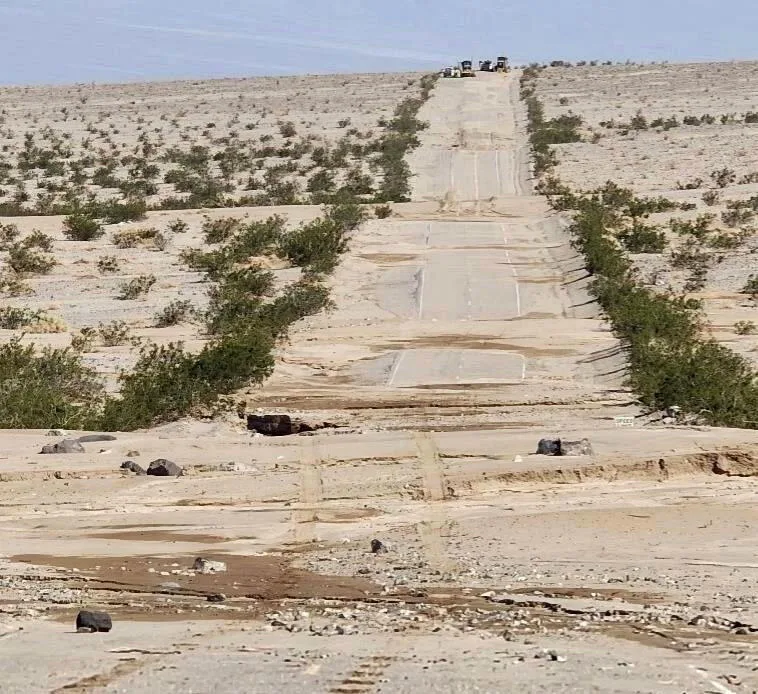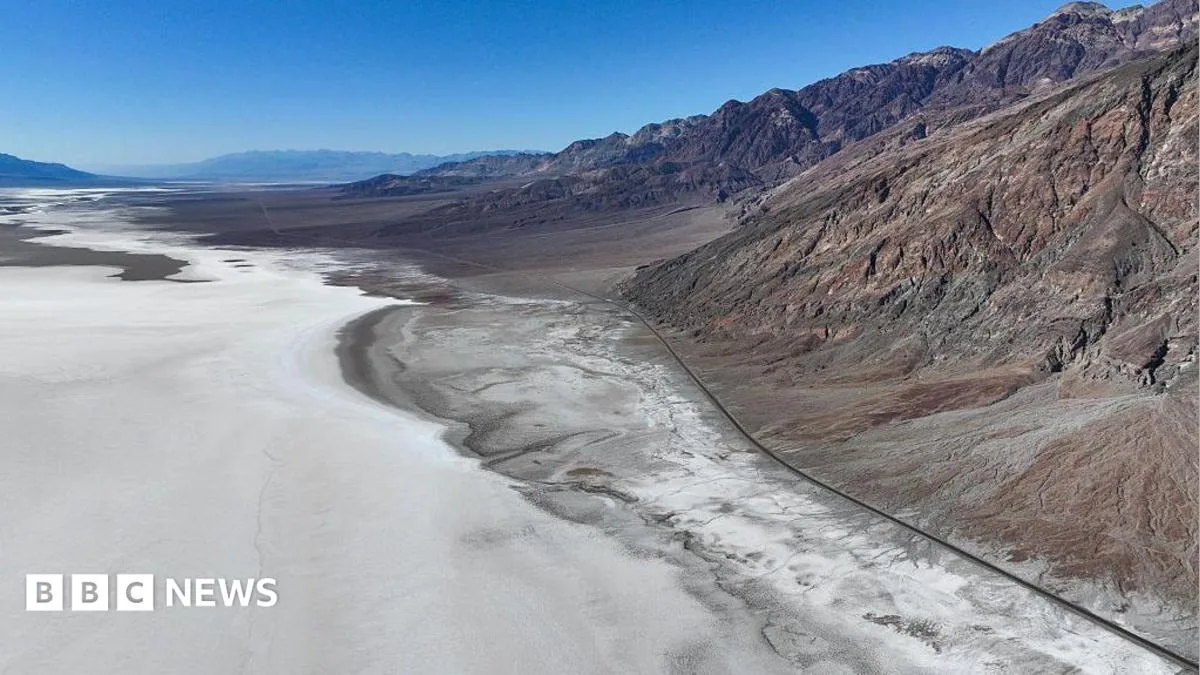
Pierre Michel Formosa, a 68-year-old French tourist, died in Death Valley National Park on August 17 after his vehicle became stuck in mud on West Side Road near the Queen of Sheba Mine Road [1, 2, 3, 4, 5, 6, 7, 8]. Formosa and a companion were driving when their car got stuck in a remote area with no nearby vehicles [1, 2, 3, 4, 5, 6, 7, 8].
Due to the isolation and lack of cell service, the two men walked across salt flats toward Badwater Road seeking help [1, 2, 3, 4, 5, 6, 7, 8]. The temperatures reached an extreme 46.6–47°C (about 116°F) during the incident, with little to no shade [1, 2, 3, 4, 5, 9, 6, 7].
Formosa managed to walk roughly 1.3 miles (2 kilometers) before exhaustion or heat forced him to stop and remain behind [1, 2, 3, 4, 5, 6, 7]. His companion continued alone and eventually reached Badwater Road, where he flagged down a passing driver near the Furnace Creek Visitor Center, reporting the emergency around 2 p.m. [1, 2, 3, 4, 5, 6, 7].
Search and rescue teams from the National Park Service, Inyo County sheriff’s office, and California Highway Patrol responded quickly. A helicopter located Formosa about 1.5 miles (2.4 kilometers) from Badwater Road later that afternoon, where he was pronounced dead at the scene [1, 2, 3, 4, 5, 6, 7]. The Inyo County coroner investigation is ongoing to determine the exact cause of death [1, 2, 3, 4, 5, 6, 7, 8].
Death Valley National Park Superintendent Mike Reynolds expressed condolences and cautioned visitors about the dangers of the park's extreme heat and remoteness. "This is a heartbreaking reminder of how quickly conditions here can turn dangerous. Death Valley is an extraordinary place, but its heat, distances, and remoteness can be dangerous, regardless of experience," Reynolds said [1, 3, 4, 5, 6, 8].
Death Valley is known to be one of the hottest places on Earth, holding the record for the highest official temperature of 134°F (57°C) recorded in 1913 [1, 3, 4, 5, 6, 7]. Experts warn vehicle breakdowns and heat exposure pose serious risks, especially where cell service is limited [4, 9, 7]. Authorities urge visitors to carry at least one gallon of water per day, avoid long hikes in summer low-elevation heat, and stay near vehicles if stranded to aid rescue efforts [4, 9, 7].
Similar heat-related fatalities have recently occurred at other US landmarks, including four hikers who died in June 2026 at Grand Canyon National Park [1, 2]. Search and rescue teams remain vigilant amid ongoing summer heat risks in Death Valley.