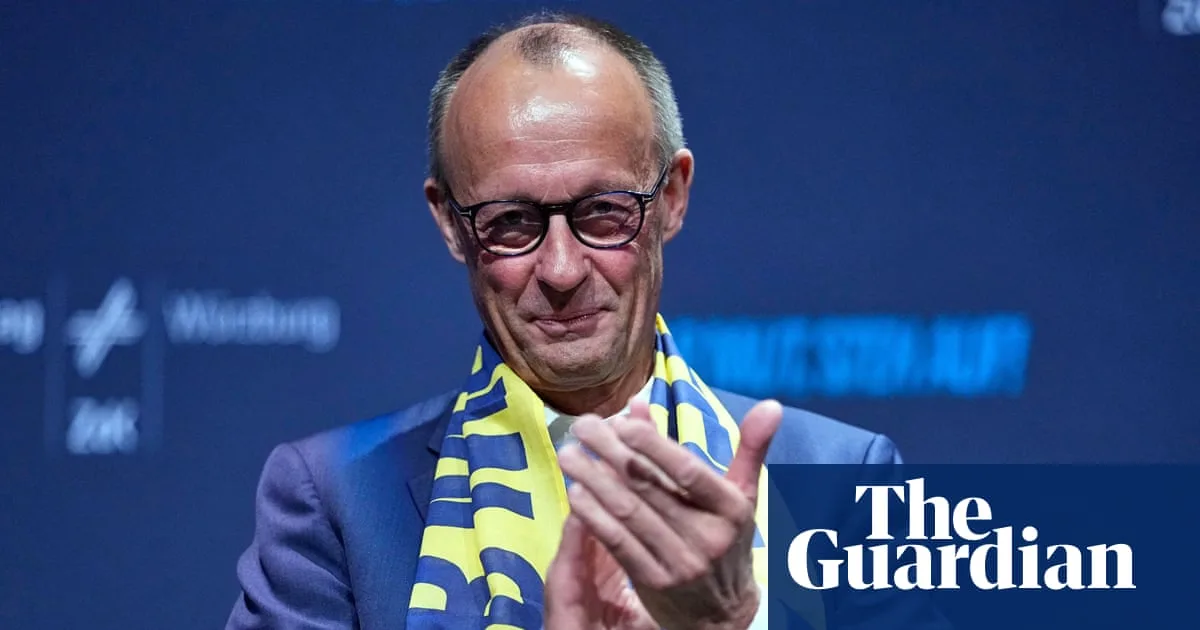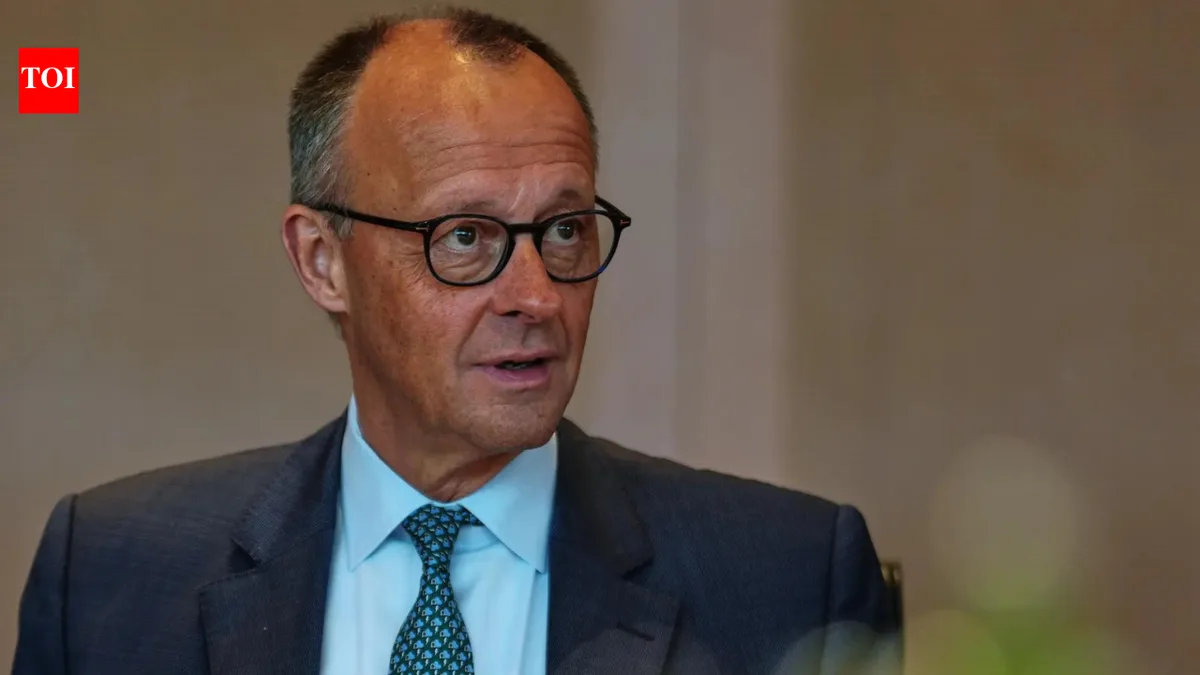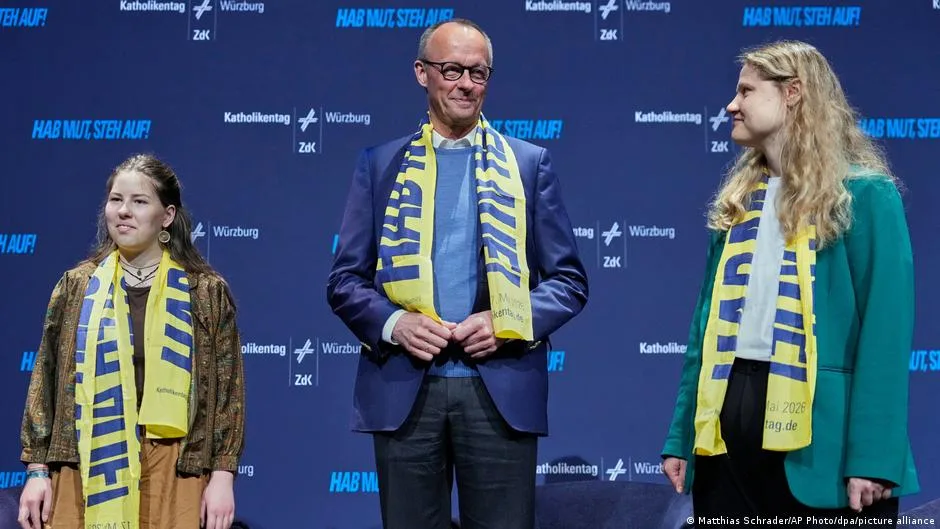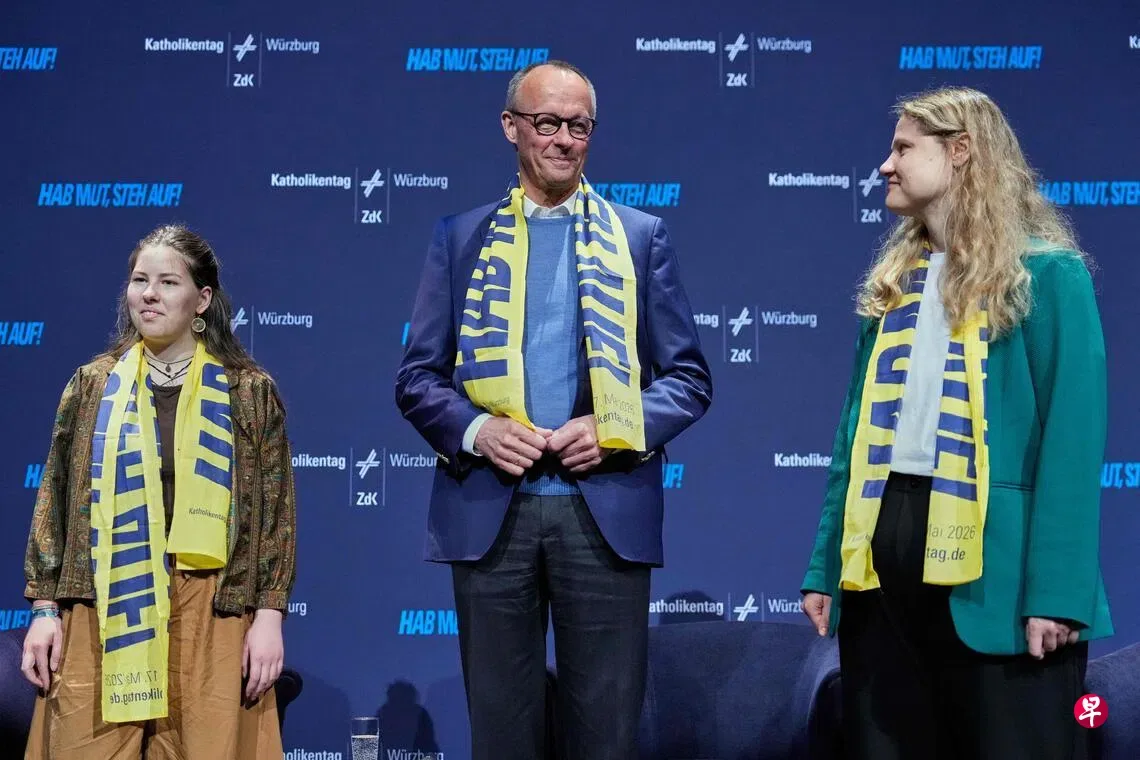
German Chancellor Friedrich Merz, 70, stated on May 15 at a Catholic gathering in Würzburg that he would not recommend his three children study or work in the United States because of a suddenly changed social climate and limited job opportunities, even for highly educated Americans [1, 2, 3, 4, 5, 6]. Merz made his remarks in front of an audience of about 1,600 young people attending the event [4, 6].
He described the US as deeply polarized and noted it had become very difficult for even America’s best-educated workers to find employment. “Today, even the best-educated people in America are finding it very hard to get a job,” Merz said [5]. Despite a long-standing admiration for the United States, he added, “I am a great admirer of America. At the moment my admiration is not growing.” [3]
Merz urged Germans not to fall into pessimism about the global situation, stating, “I firmly believe that there are few countries in the world that offer such great opportunities, especially for young people, as Germany.” He emphasized optimism about prospects in Germany for youth [1].
Relations between Germany, the EU, and the US have worsened recently. Earlier in May, the US announced the withdrawal of 5,000 troops from Germany and imposed tariffs on European cars [1, 2, 4, 6]. Merz has also criticized US strategy on the Iran war, saying the US was being humiliated in that conflict, which reportedly angered former President Donald Trump [1, 2, 4, 6].
Following Merz’s comments, Richard Grenell, former US ambassador to Germany and Trump advisor, criticized him on social media, calling Merz the “European President of the TDS Society” and accusing him of being controlled by German woke media [3, 4, 6]. Alice Weidel, a far-right Alternative for Germany party politician, also attacked Merz, accusing him of leading Germany toward social and economic ruin [3].
Despite tensions, Merz and Trump reportedly held a friendly phone call on May 15 to discuss Iran, Ukraine, and the upcoming NATO summit [4, 6]. Merz has maintained communication channels with Trump through multiple White House visits in his first year in office [4, 6].
Merz’s comments at the Würzburg Catholic event come amid changes in the global political and social climate that are shaping public discourse in both Germany and the US. His remarks highlight the challenges some Germans now see in pursuing opportunities in America amid uncertainty.