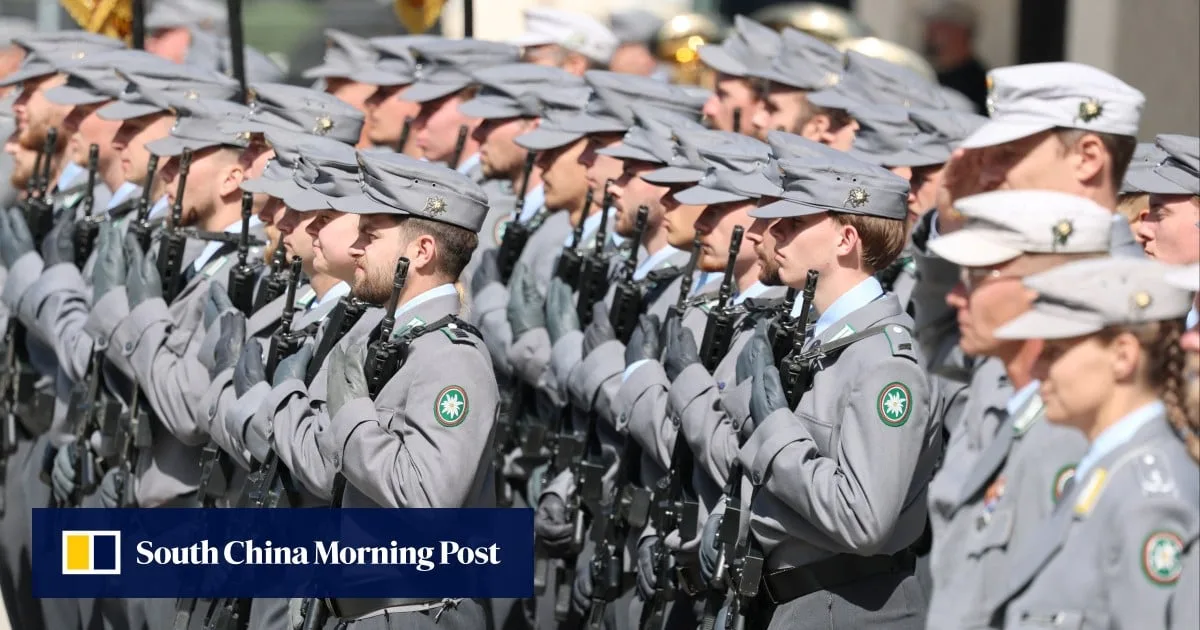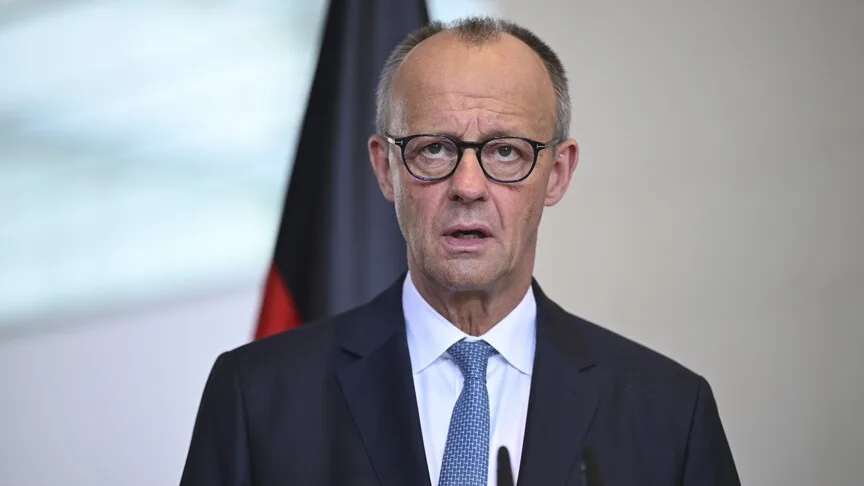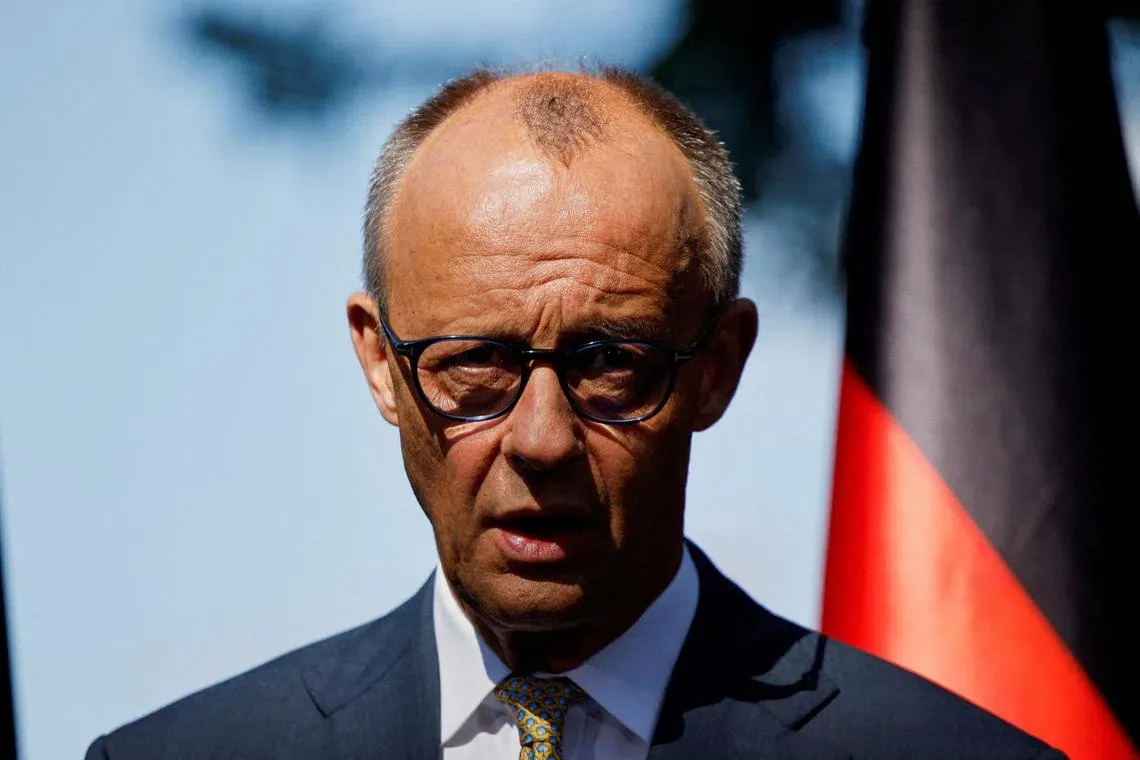
German Chancellor Friedrich Merz announced on July 3, 2026, that Germany is doubling its defense budget within four years to strengthen its military capabilities, calling it the greatest effort ever made in this area [1, 2]. Merz said Germany will meet the NATO target agreed in The Hague in 2025 to raise core defense spending from 2% to 3.5% of GDP by 2035, and expects to reach this benchmark as early as 2029 — well ahead of schedule [1, 3, 2].
Merz hosted leaders from the Baltic states in Berlin when he made the remarks, emphasizing Germany’s commitment to contributing more to NATO’s collective defense [1, 2]. He said, “Germany is doubling its defence budget within four years. This is the greatest effort we have ever made to strengthen our defence capabilities. In this respect, we have no reason to shy away from anyone” [1].
The German chancellor’s comments came in direct response to criticism from former U.S. President Donald Trump, who accused Germany’s past defense spending of being “ridiculous” and “much lower” than the U.S. and other NATO allies between 2014 and 2025 [1, 3, 2]. Trump said the U.S. had been on a “one sided path” in NATO defense spending, stating, “The United States spends more money on NATO than any other country, by far, to protect them, without getting any benefit from so doing. Others, including Germany, are MUCH LOWER” [1, 2]. He called the imbalance “ridiculous” [1].
NATO’s 2025 agreement to increase the core defense spending target to 3.5% of GDP by 2035 represented a significant boost over the previous 2% target [1, 3, 2]. Germany now intends to exceed that target, with funding increases on track to meet the new benchmark six years ahead of the deadline [1].
Merz’s defense of Germany’s record and plans highlights ongoing debates over burden sharing within NATO amid shifting geopolitical pressures. The next formal milestone will come in 2029 when Germany anticipates reaching the 3.5% GDP defense spending target.