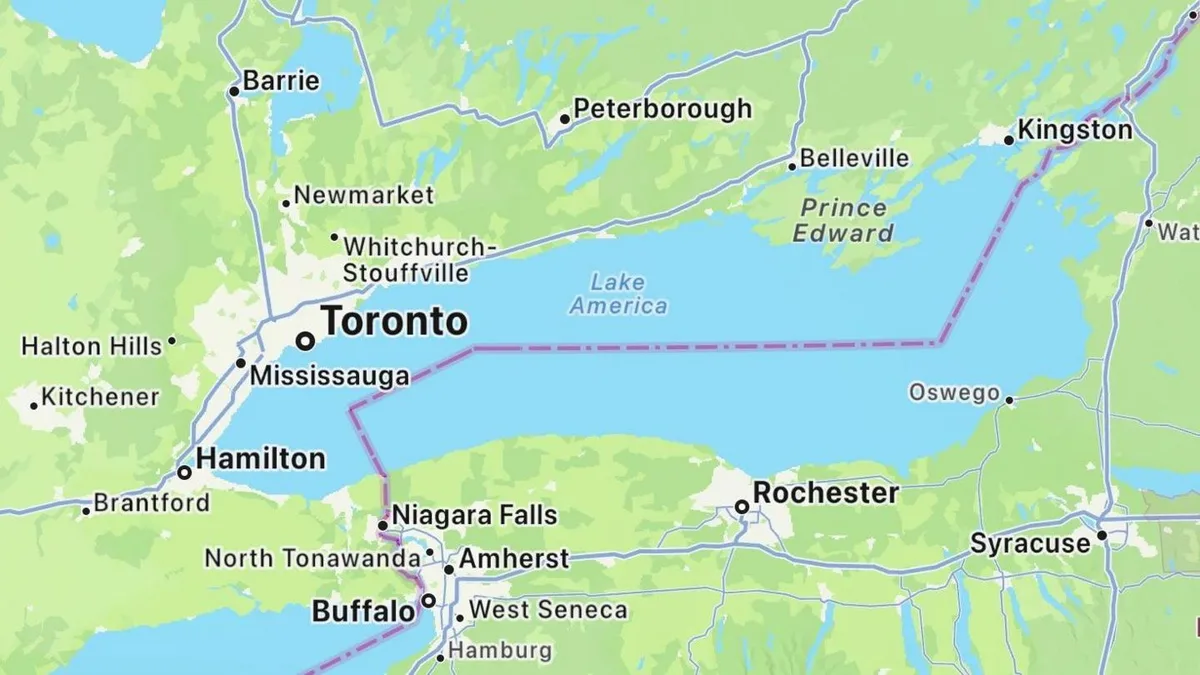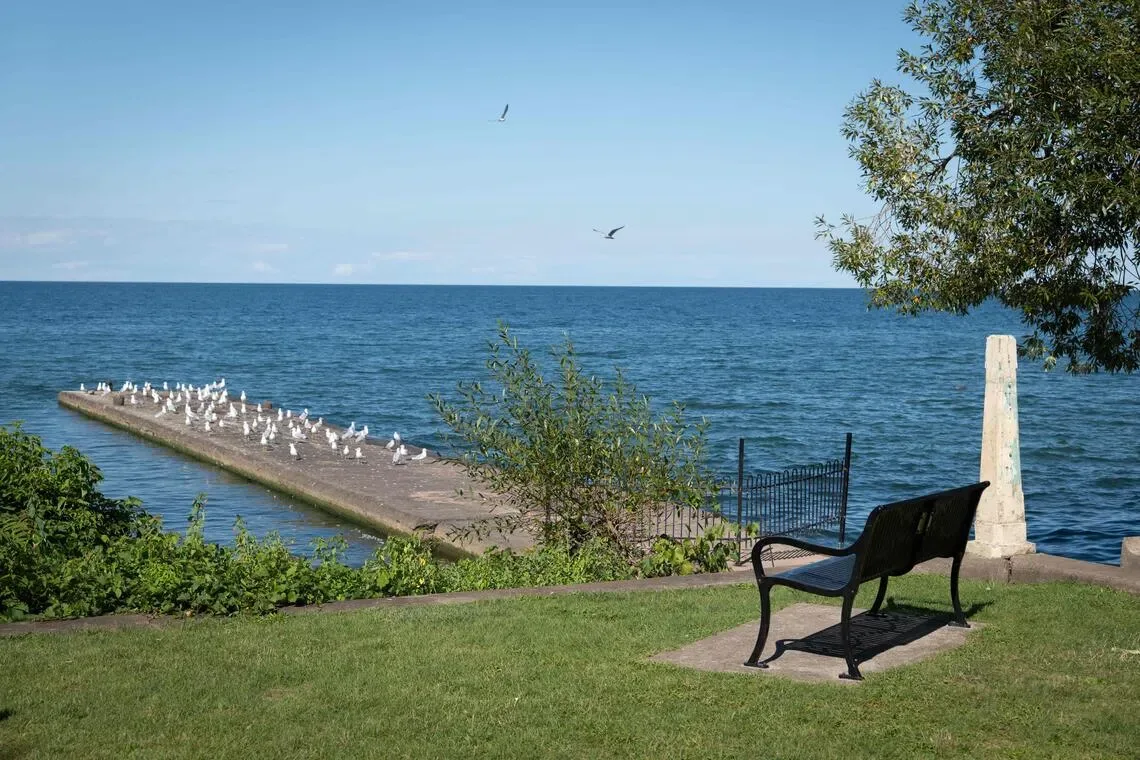
US President Donald Trump signed an executive order on August 27, 2026, directing federal agencies to rename Lake Ontario as "Lake America" on maps and official records [1, 2, 3]. The lake lies between the Canadian province of Ontario and the US state of New York, with 52% of its surface area in Canada [1, 4, 5].
The renaming follows a breakdown of US-Canada trade talks by August 22, leading the US to impose 50% tariffs on about C$28 billion ($20 billion) of Canadian goods [1, 6, 7]. Canada announced plans for dollar-for-dollar retaliatory tariffs starting September 8 [6, 7].
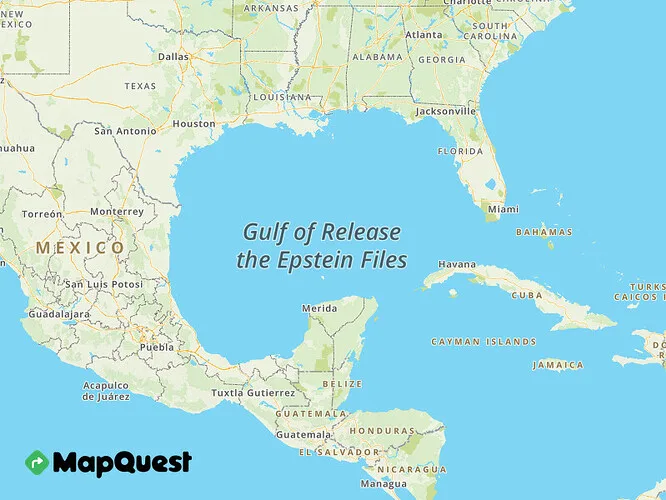
The Trump administration ordered the US Department of the Interior to update the Geographic Names Information System (GNIS) within 30 days to reflect the new name [1, 8]. Following these changes, Google Maps updated US users' maps on August 29 to show "Lake America," while Canadian users still see "Lake Ontario." Users outside both countries see both names [2, 4, 9]. Apple Maps followed with an update on September 1 for US users [4, 5]. However, other mapping providers like MapQuest have refused to change the name [1].
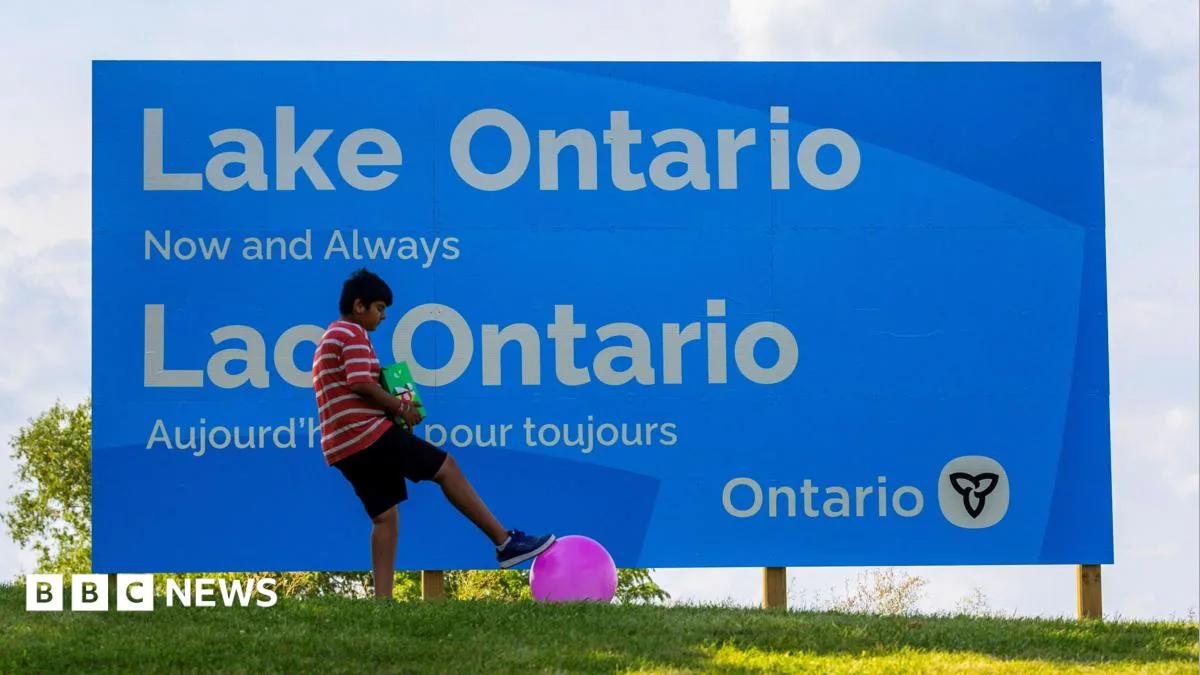
The renaming has drawn opposition from multiple fronts. Ontario Premier Doug Ford unveiled a large lakeside sign reading "Lake Ontario. Now and Always" on August 29, stating, "Just in case President Trump or anyone else forgets, we've set up this sign to remind them, it's Lake Ontario, now and forever" [1, 6]. Ford added in Chinese, "No matter what (President) Trump calls this lake, we will always call it Lake Ontario... we will always defend our sovereignty" [6].
Canadian Prime Minister Mark Carney rejected the US change, emphasizing the lake's Indigenous Wendat origins and its 400-year-old name. He said, "The name Lake Ontario comes from the Wendat word Ontari’io, which, appropriately, means ‘the lake is beautiful, the lake is big.' ... Naming reality means calling it Lake Ontario – then, now and always." [10]
New York Governor Kathy Hochul and Vermont Governor Phil Scott also opposed the renaming. Hochul said, "New York won’t be calling it that," while Scott called the change "petty and disappointing" [2].
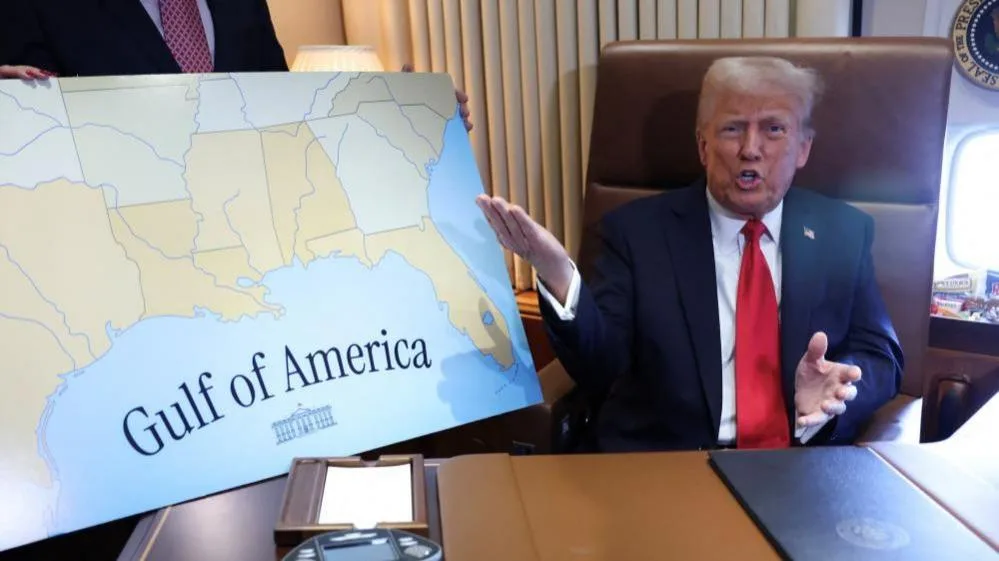
This is the latest renaming following Trump's 2025 executive order that renamed the Gulf of Mexico the "Gulf of America," which US map providers updated similarly [2, 3]. The new GNIS entry faces resistance from local map editors and users who expect "Lake Ontario" to remain the common name [8].
Canada’s planned retaliatory tariffs on US goods are scheduled to take effect on September 8, 2026 [6, 7]. The US Department of the Interior is required to complete all federal mapping updates within 30 days of the order, making late September the deadline for full adoption of the new lake name [1, 8].