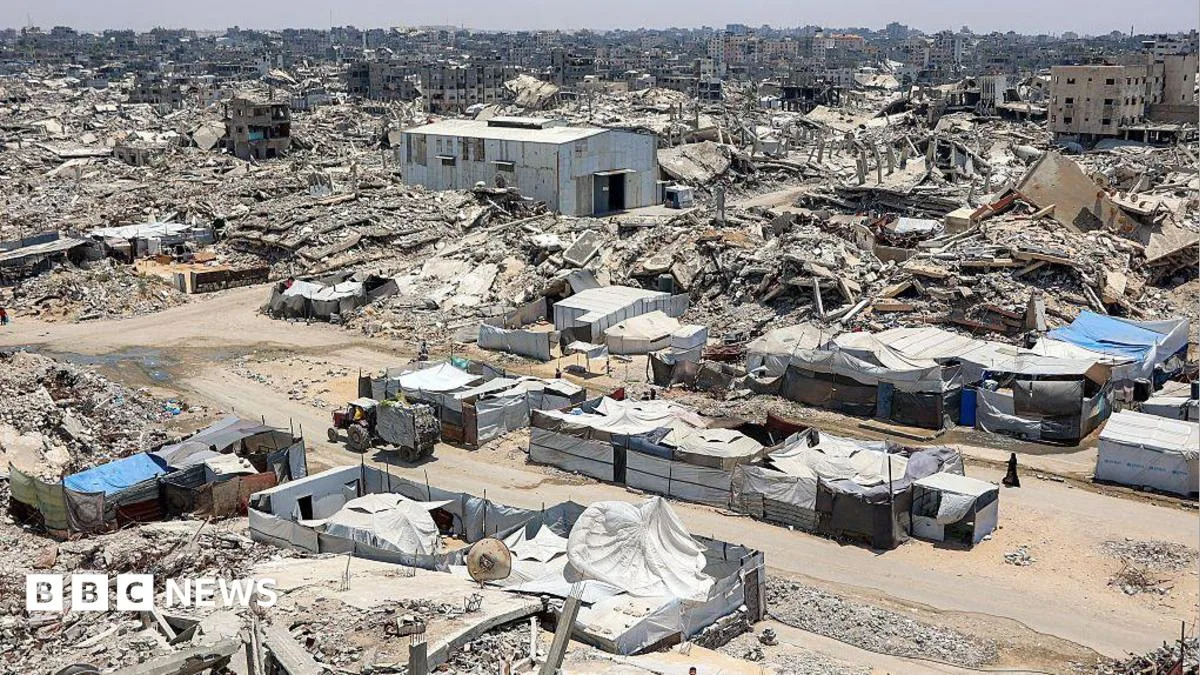
Hamas has agreed to a phased disarmament plan for Gaza as part of a 20-point peace roadmap brokered by the United States, the key step announced on July 30, 2026 [1, 2, 3, 4, 5, 6, 7]. The plan requires Hamas to inventory and transfer control of heavy weapons, military sites, weapons depots, and tunnel networks to a Palestinian National Committee, a technocratic body agreed upon by Palestinian factions [1, 3, 7].
Israeli forces are expected to withdraw gradually in parallel with Hamas's disarmament compliance under the terms of a ceasefire reached in October 2025 [1, 3, 8, 5, 6, 7]. The roadmap foresees the deployment of an International Stabilization Force in Gaza to oversee security, working alongside a new Palestinian police force [1, 8, 5, 6].
Hamas maintains that Israel must first stop attacks, pull troops back, and increase humanitarian aid before the group completes disarmament, emphasizing a conditional approach to its obligations. Hamas official Ghazi Hamad said, "If Israel does not implement the agreement, neither will we," and added, "We insisted to the mediators that Israel must abide by the agreement" [3, 8, 9, 5, 7].
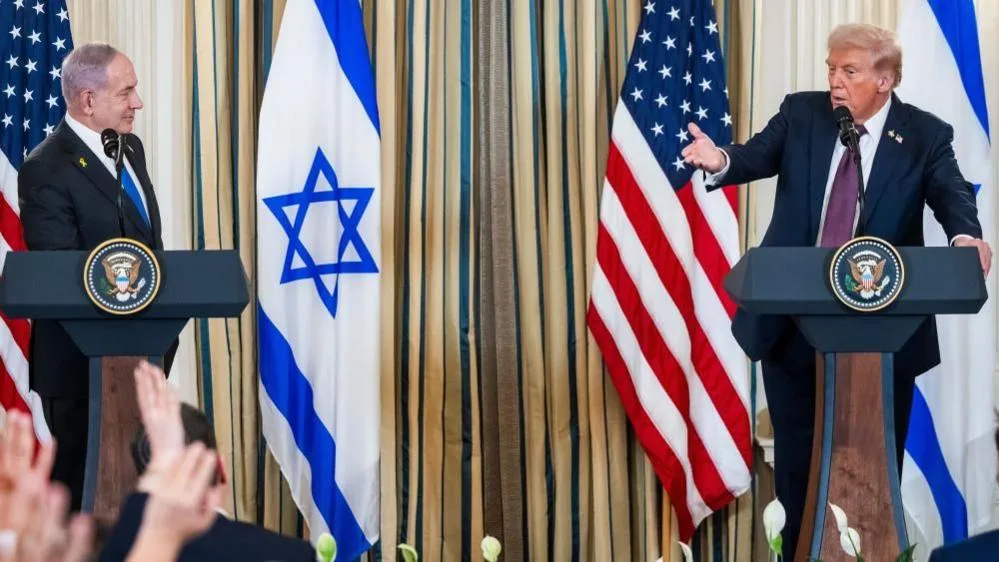
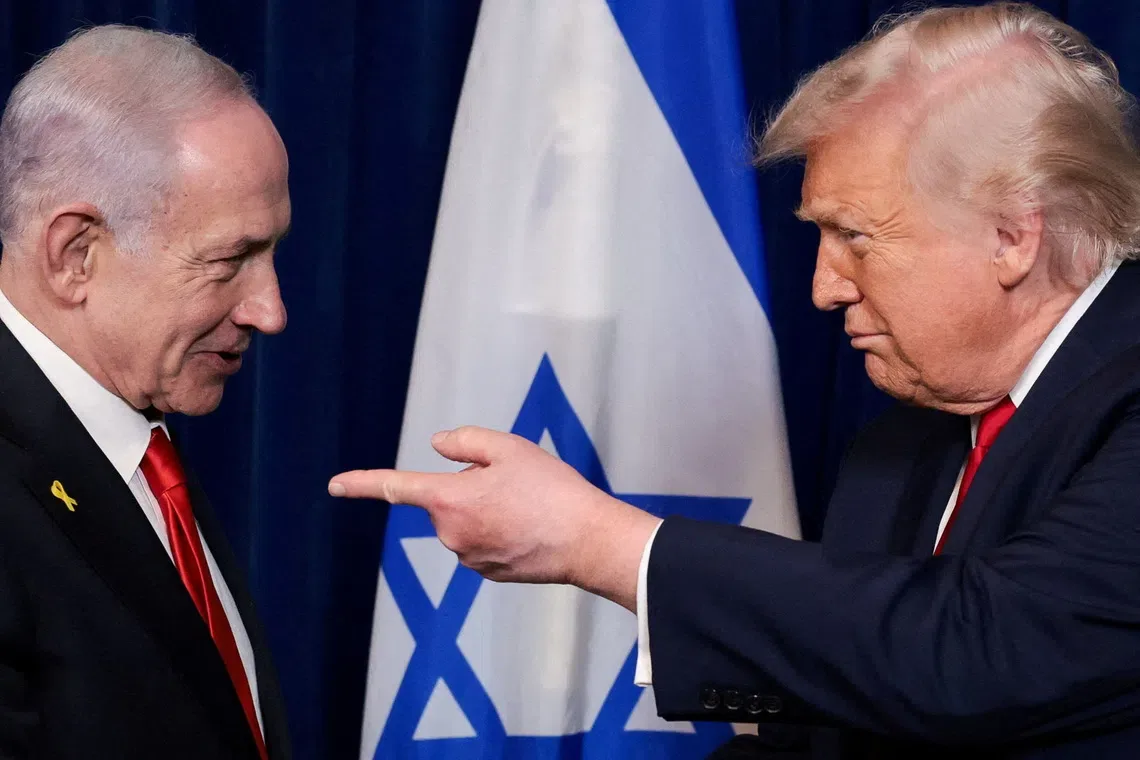
Israel has not publicly endorsed the peace roadmap. Some Israeli officials and political figures have expressed skepticism or rejection, demanding total Hamas disarmament before any Israeli military withdrawal and insisting on maintaining control in Gaza [1, 3, 8, 4, 6, 10, 7].
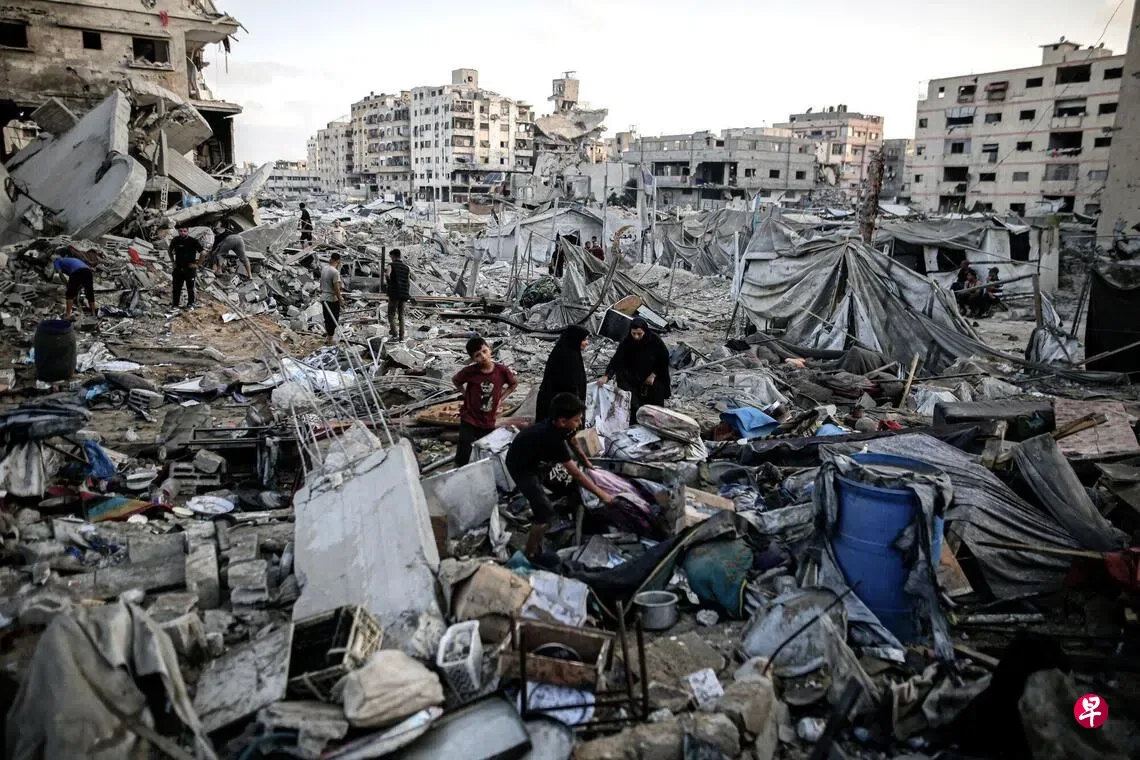
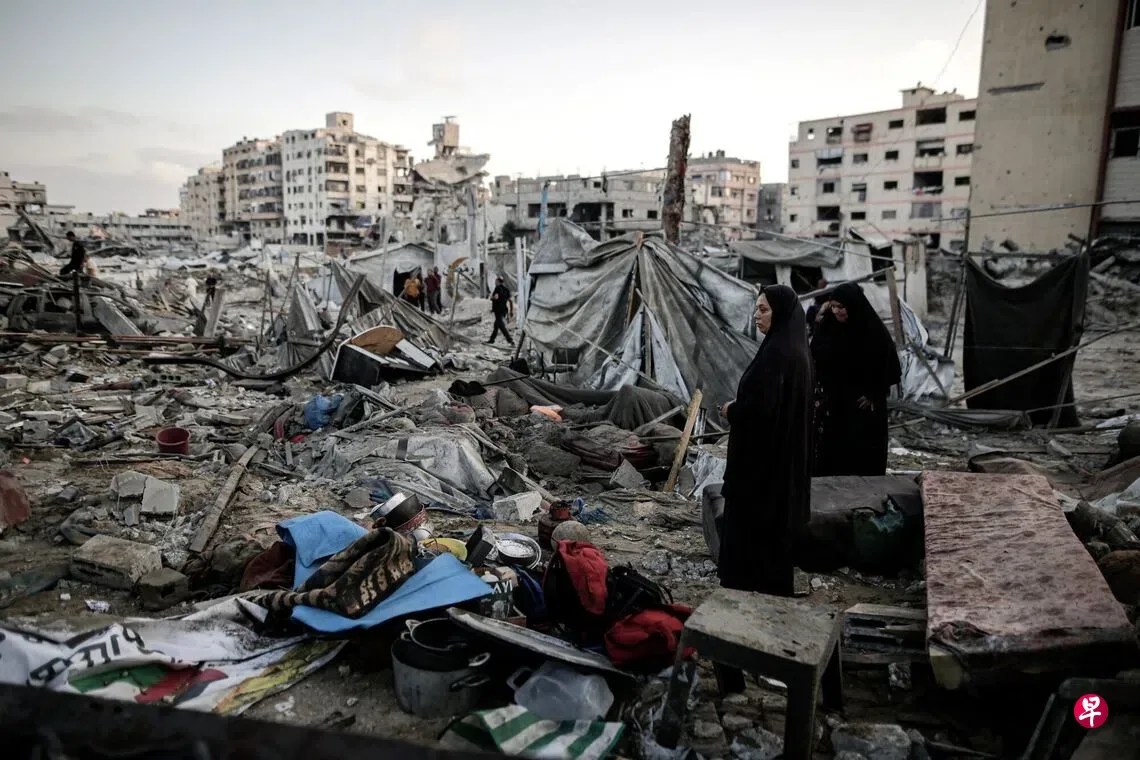
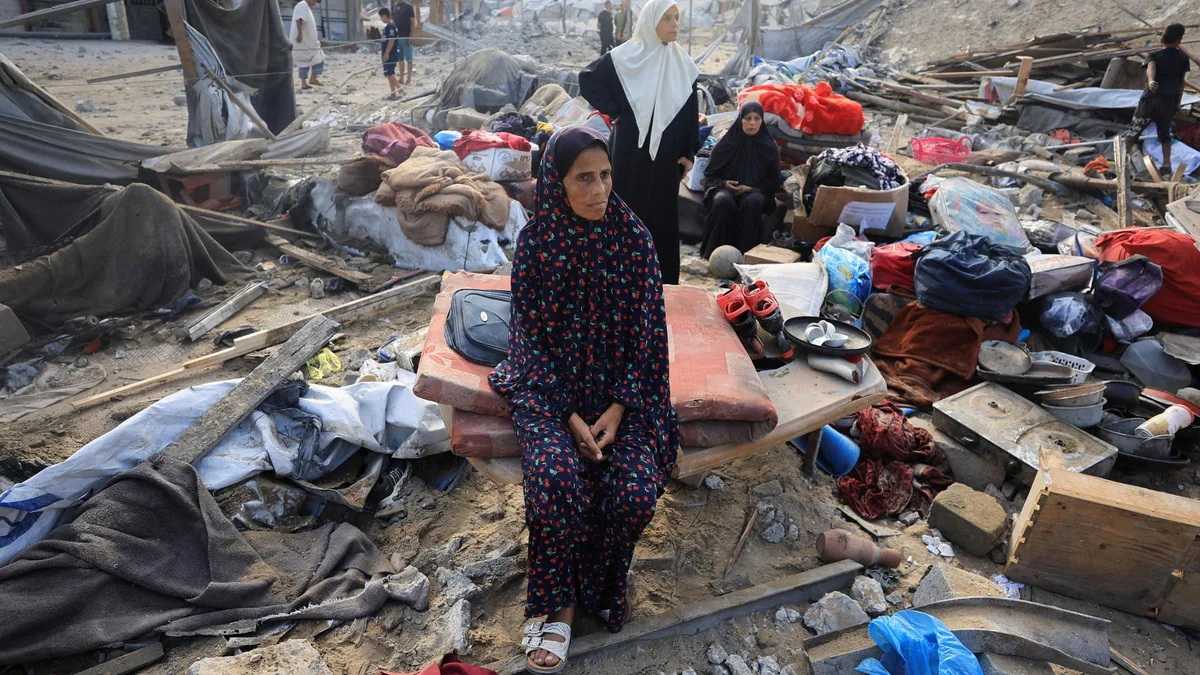
Violations have occurred since the ceasefire began in October 2025, including Israeli attacks that caused over 1,200 Palestinian deaths, mostly civilians, and expansion of Israeli control within Gaza [8, 6]. Despite ongoing tensions, diplomats plan talks in Cairo within one to two months with the US, Qatar, Turkey, and Egypt to discuss implementation and compliance with the second phase of the ceasefire [8, 6].
The roadmap’s timeline includes a three-year phased political transition and demilitarization process. An initial 14-day period following the announcement is set aside to finalize the political transition before disarmament begins, with the full disarmament and Israeli withdrawal expected to take 200 to 350 days [1, 8, 11].
US President Donald Trump called the agreement "historic" and a "monumental step toward lasting peace and security," underscoring its significance to US diplomacy [6]. The next step is the preparation of a detailed implementation schedule within the 14-day deadline that began at the end of July 2026 [1, 11].