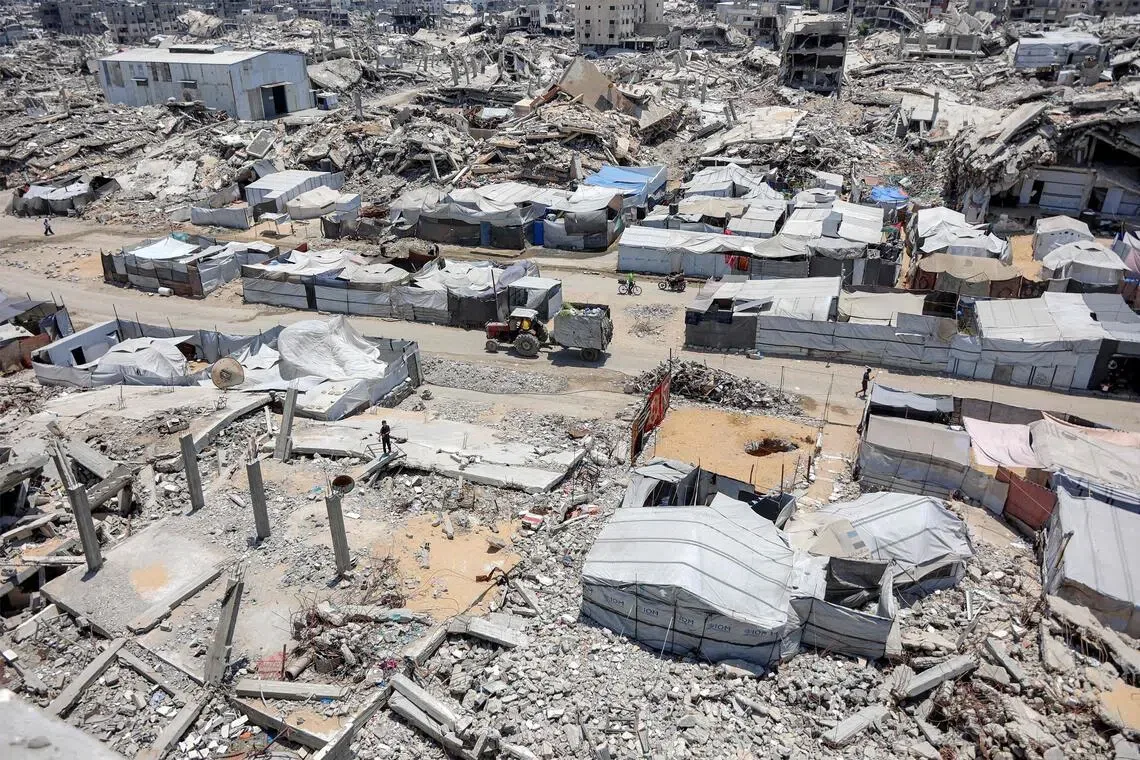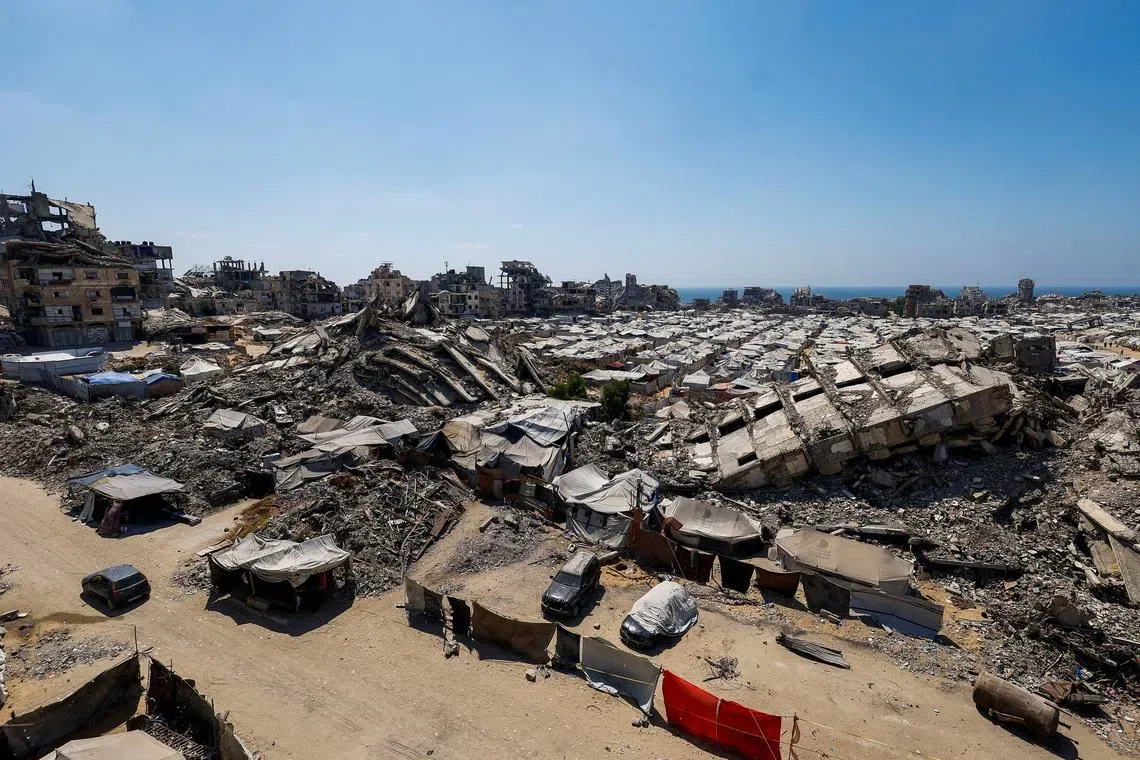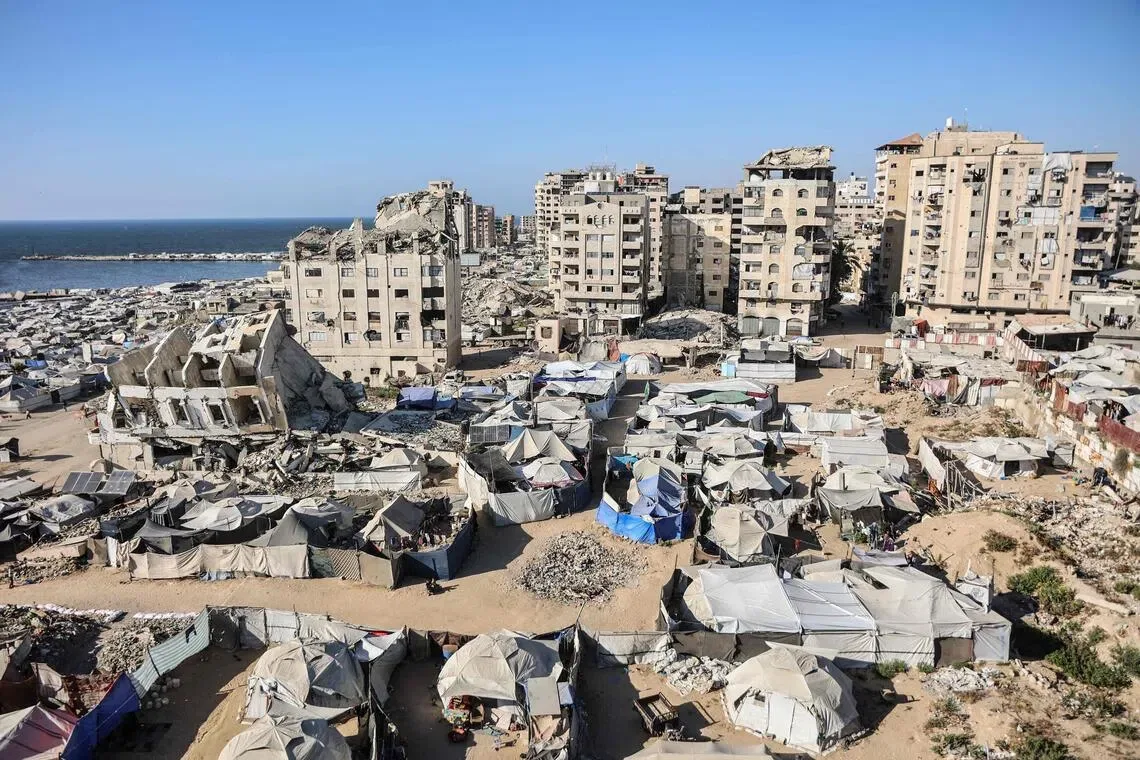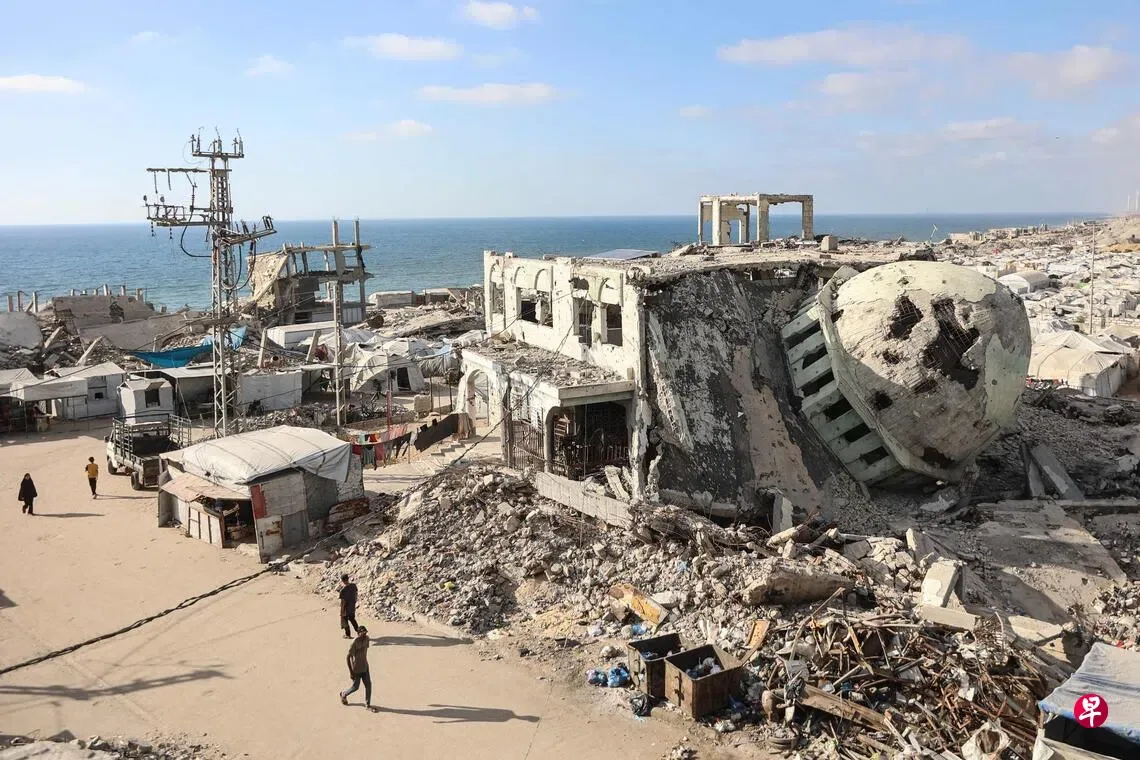
Hamas officially announced on July 6 the dissolution of the Gaza Strip governing body that has managed civil affairs since 2007 [1, 2, 3, 4]. The 15-member committee, led by Mohammed al-Farra, resigned and dissolved the Government Emergency Committee to facilitate transition to new civilian governance [1, 2, 3, 5]. "The head of the government’s emergency committee, Mohammed al-Farra, has officially submitted his resignation," said Ismail al-Thawabta, head of Hamas government media office, "He has also decided to dissolve the committee to facilitate the administrative and governmental transition to the National Committee for the Administration of Gaza (NCAG)" [1].
The dissolution clears the way for the National Committee for the Administration of Gaza, a technocratic body created by the US-backed Board of Peace to assume civilian governance after the October 2025 ceasefire between Hamas and Israel [1, 2, 3, 4, 6]. The Board of Peace was established by former President Donald Trump to oversee Gaza’s transition following the ceasefire agreement [1, 2, 3, 4, 6]. Hamas has repeatedly signaled willingness to step aside from day-to-day governance but insists on retaining its weapons until disarmament conditions are met [1, 2, 3, 6]. "Hamas has taken a new step in that it will no longer be in charge of the Gaza Strip, in order to remove any pretexts for the occupation," said Hamas spokesman Hazem Qassem, adding that Hamas hopes for a swift start of NCAG governance [1, 2, 5].
While the NCAG’s members, including chairman Ali Shaath, are ready to assume their duties, they remain outside Gaza in Cairo due to Israeli objections [1, 3, 6, 7, 8]. Israel opposes Hamas retaining arms and says disarmament is required before political transition or lasting peace can occur [9, 10]. Israeli Foreign Minister Gideon Saar said, "As long as Hamas retains its weapons, any civilian government will ultimately act according to Hamas’s directives. The complete disarmament of Hamas and the demilitarization of the Gaza Strip remain prerequisites for political reorganization." [10]. Israel’s defense forces conducted an airstrike on the same day killing a Hamas military training commander, continuing operations amid ongoing tensions and ceasefire [9].
Talks involving Hamas, other Palestinian factions, and mediators in Cairo remain stalled over issues including Hamas disarmament and Israeli troop withdrawal [1, 6, 8]. While Hamas dissolves its government committee, it continues to control security and policing in parts of Gaza [3]. The US-backed Board of Peace said it will judge Hamas’s move by actions on the ground and stressed the need to meet Gaza’s humanitarian needs [3]. Observers note the dissolution appears partly symbolic, signaling political intent while Hamas retains military power [11, 10].
The next key challenge remains the entry of NCAG members into Gaza and progress in negotiations addressing disarmament and security arrangements. The peace process talks in Cairo are ongoing but stalled pending agreement on these core issues [1, 6, 8].