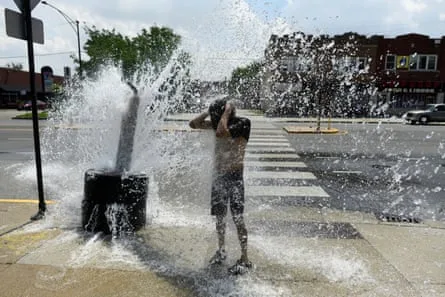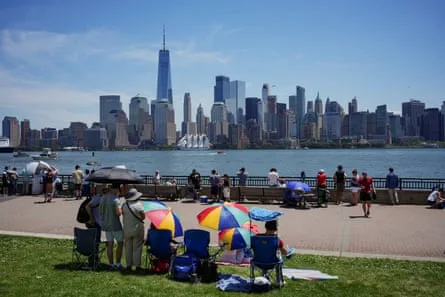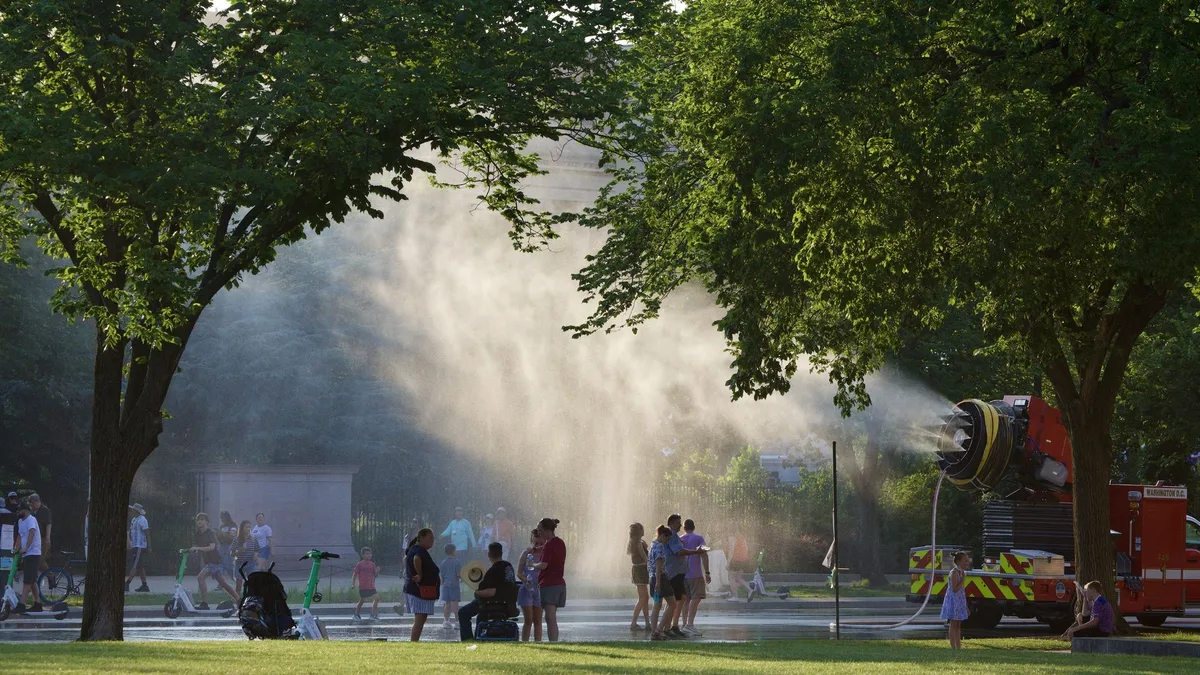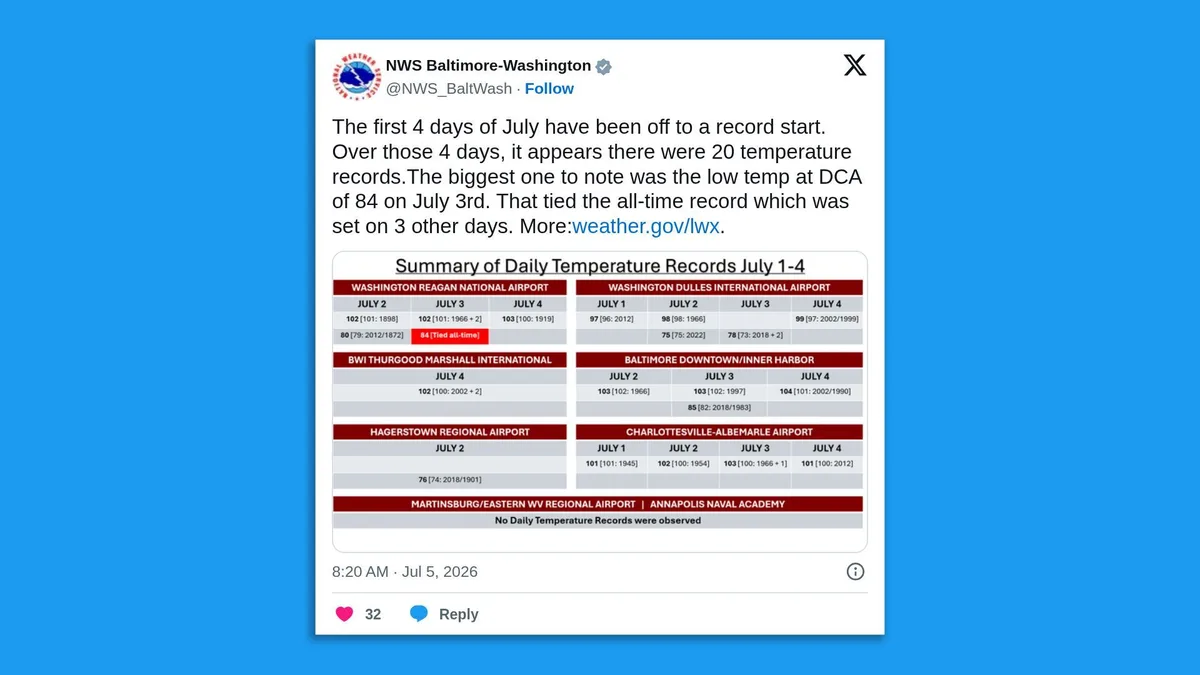
A prolonged heatwave gripped more than 20 states in the eastern United States in early July 2026, driving temperatures above 100°F (38°C) and placing over 140 million people under heat alerts [1, 2, 3, 4, 5]. The New Jersey Department of Public Health described the event as "not a typical summer heatwave," warning it can become life-threatening for all ages [1].
At least 25 heat-related deaths have been confirmed, with 22 in New Jersey across 10 counties, one in Cook County, Illinois, and another in Hinds County, Mississippi [1, 2, 5]. The fatalities, which began on July 2 and 3, involved victims mainly aged from their mid-30s to 80s, frequently found indoors without air conditioning or outside in the heat [1, 5]. A New Jersey County Coroner affirmed that the deaths resulted from weather-related heat exposure and found no signs of foul play [1].
The extreme heat forced cancellations and postponements of major Independence Day celebrations. Parades in Philadelphia and Washington, DC were called off due to the hazardous conditions [3, 4]. Trump’s Great American State Fair in Washington, DC temporarily shut down on July 3 before reopening when temperatures slightly eased [3, 4]. Severe thunderstorms with damaging winds exceeding 105 kph (65 mph) and hail further disrupted some events, particularly on July 4 at the National Mall [5].
Utilities faced significant stress during the heatwave. Con Edison reported power outages and voltage reductions in the New York metropolitan area to manage the grid load [4]. Cooling aid was also deployed to healthcare facilities in New Jersey to address patient needs amid soaring temperatures [5].
The National Weather Service forecast cooler air moving south from Canada to gradually ease the heatwave in the week following July 5, but warned that elevated heat risks and high humidity would persist, posing danger especially to those without adequate cooling or hydration [1, 2, 5]. The agency noted overnight lows remained in the 70s to near 80 degrees, sustaining the threat of heat-related illnesses [2].
Climate scientists linked the intensity of the heat and humidity to human-caused fossil fuel pollution. Friederike Otto of the World Weather Attribution study said, "Climate change is here, it’s already impacting the things we enjoy in our everyday lives," citing disruptions to major events and unsafe playing conditions [3, 4].
The heatwave and its effects stand as a sharp reminder as cooling conditions are expected to gradually arrive. Emergency response and public health monitoring continue in the affected states.