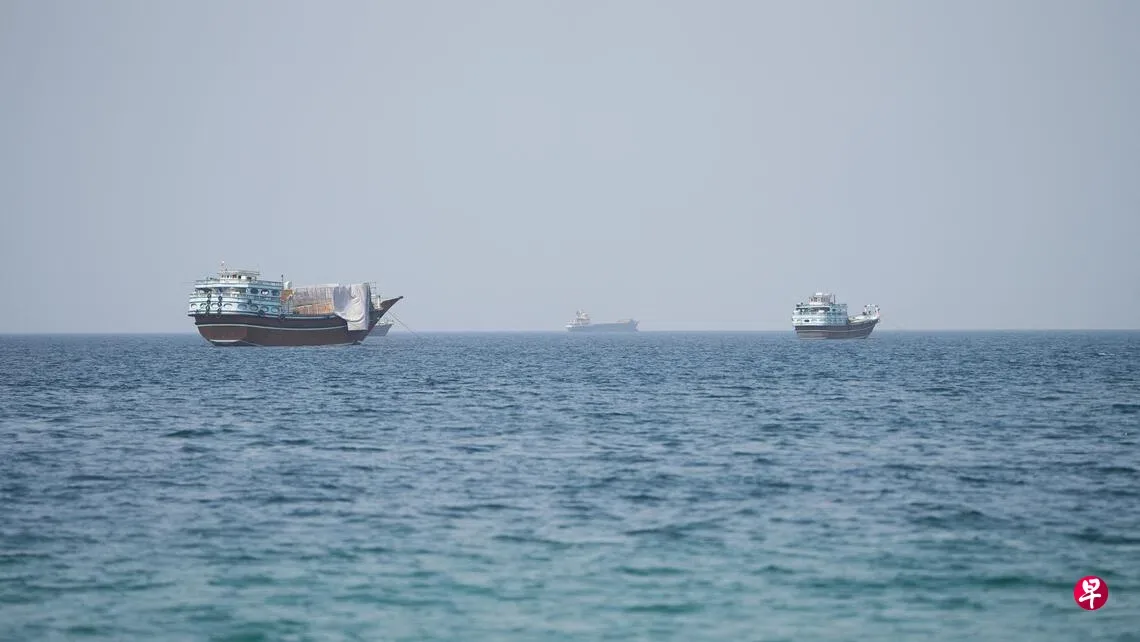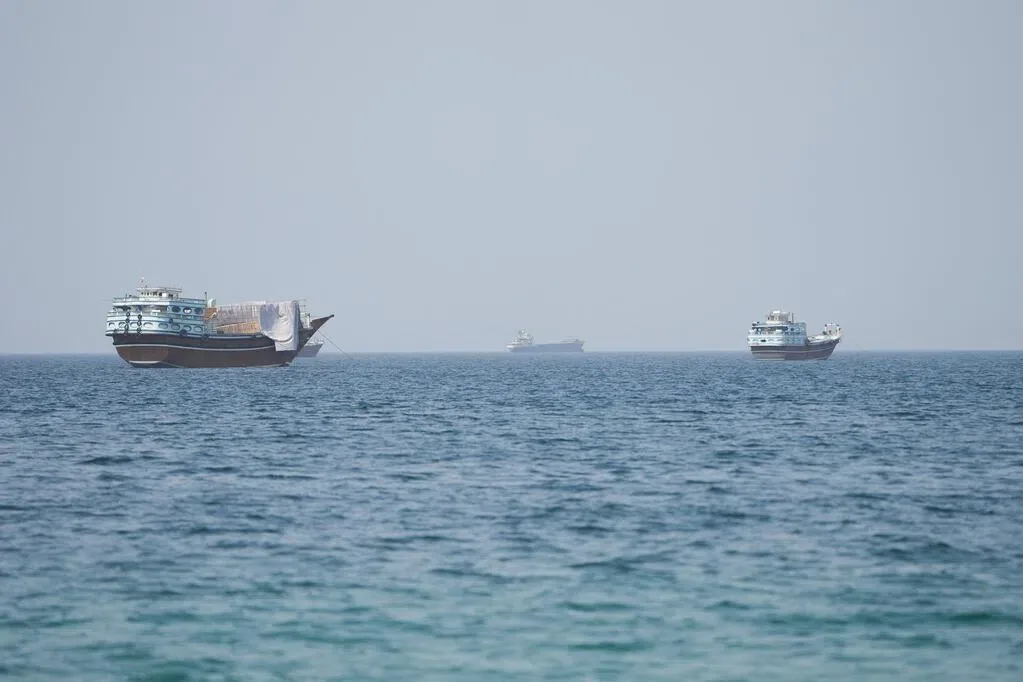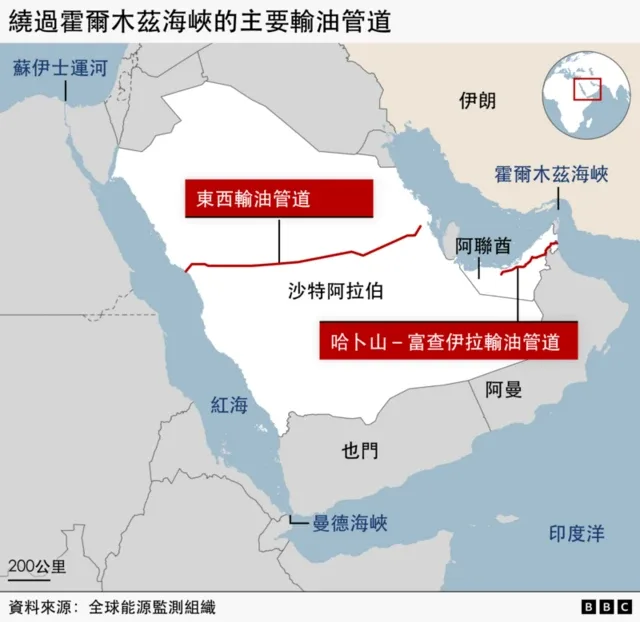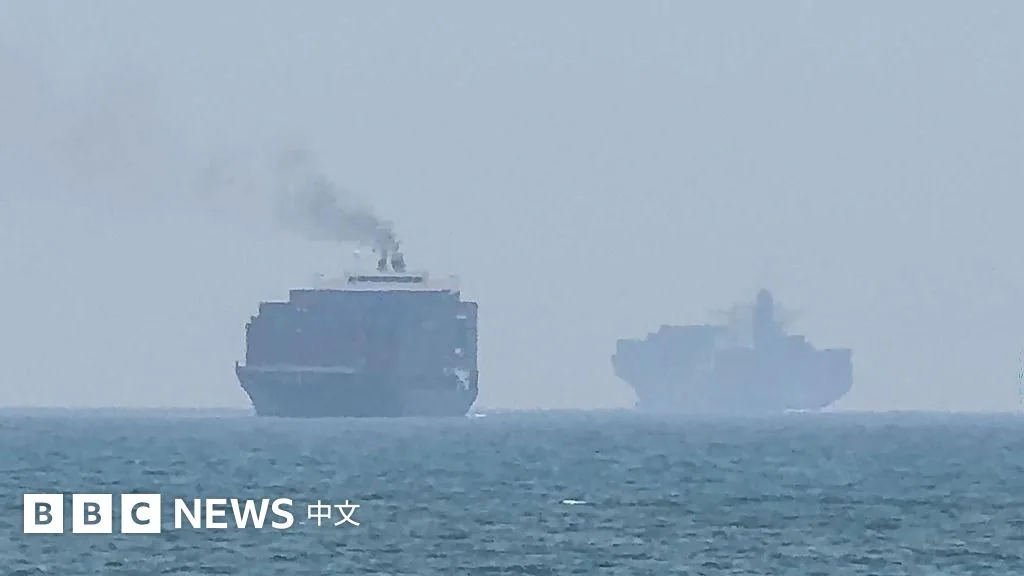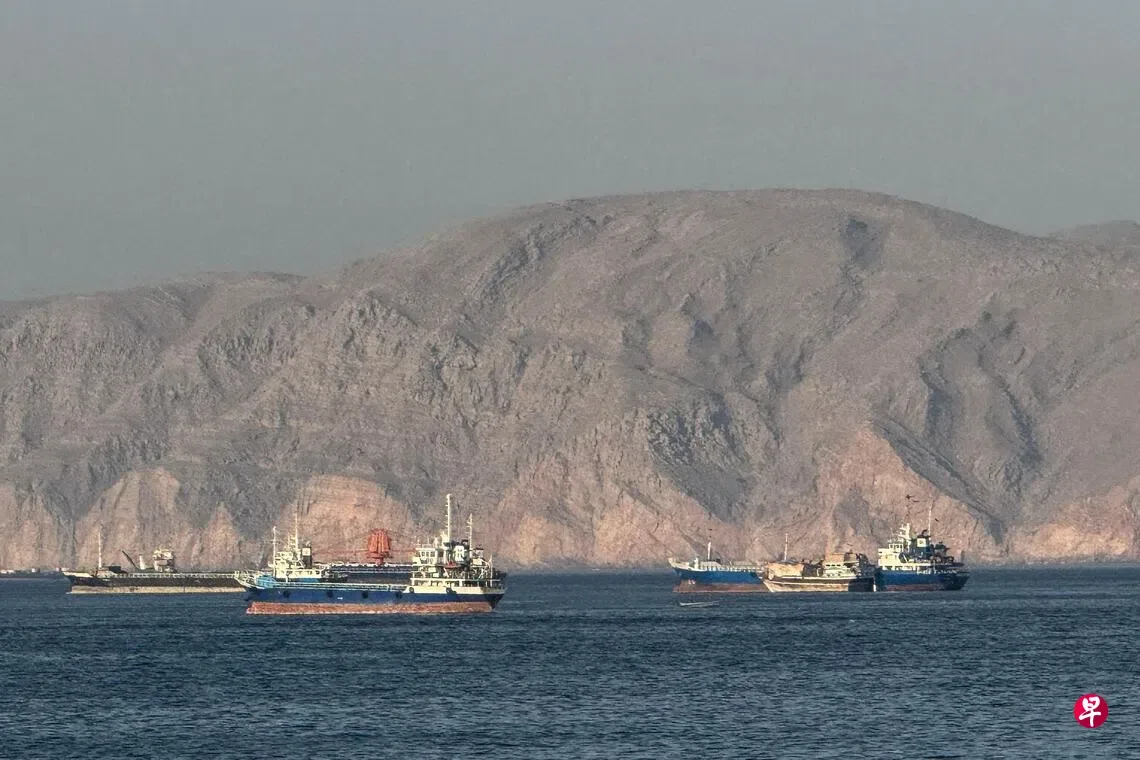
Iran and Oman have agreed on a new shipping route through the Strait of Hormuz and are finalizing arrangements for jointly managing the strategic waterway, officials said this week [1, 2, 3, 4, 5, 6, 7, 8, 9, 10].
The accord defines a northbound shipping lane near Iran’s coast controlled by Tehran and a southbound lane along Oman’s coast. Iran plans to charge a "service fee"—not a toll—for the northbound lane and share revenues with Oman, though U.S. officials deny Iran will control or charge fees for the lanes [7, 8, 9].
Iranian Foreign Ministry spokesperson Esmaeil Baghaei stressed that talks are only with Oman and do not guarantee reopening the Strait. He said the agreement covers sovereignty and management mechanisms without assuring passage will resume [4, 5, 6, 3]. Security chief Mohammad Baqer Zolqadr added that unless the U.S. "corrects" its behavior, the Strait will remain closed [3].
Tensions remain high after the Strait has effectively been blocked since February due to conflict involving the U.S., Israel, and Iran. Iran accuses the U.S. of violating a June memorandum by renewing a maritime blockade and revoking Tehran’s oil export licenses, escalating instability [3, 4, 5, 6, 10].
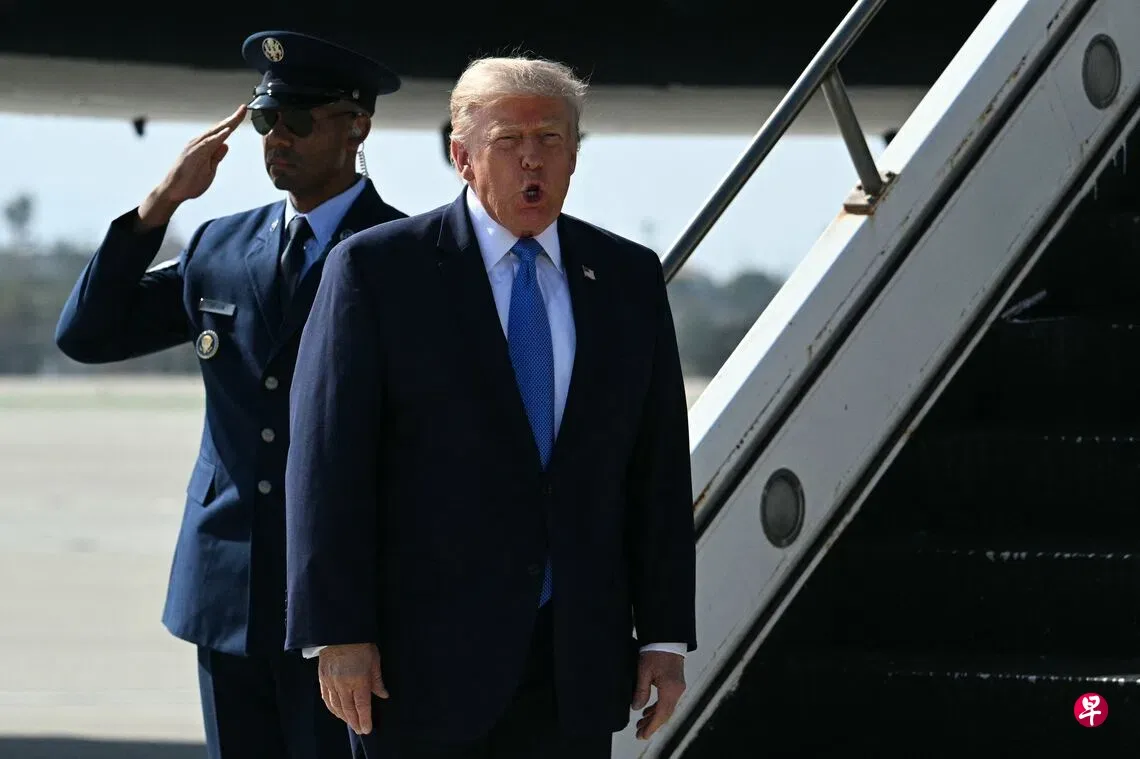
President Donald Trump announced a temporary halt on new strikes and said U.S.-Iran negotiations are progressing. He indicated a temporary 60-day safe passage arrangement through the Strait could be announced soon, warning that if the Strait does not reopen quickly Iran would face a "heavy blow" [11, 12, 7, 8, 9, 10]. Trump said, "We are talking to them in negotiations. Negotiations start tomorrow afternoon" [11].
U.S. Vice President Mike Pence expressed skepticism about a quick resolution and said the U.S. is employing diplomatic, economic, and military means to protect American interests [3]. U.S. Senator Marco Rubio confirmed the U.S. is involved in talks between Iran and Oman but said the final deal has not been reached and that Iran's denuclearization remains a key issue [10].
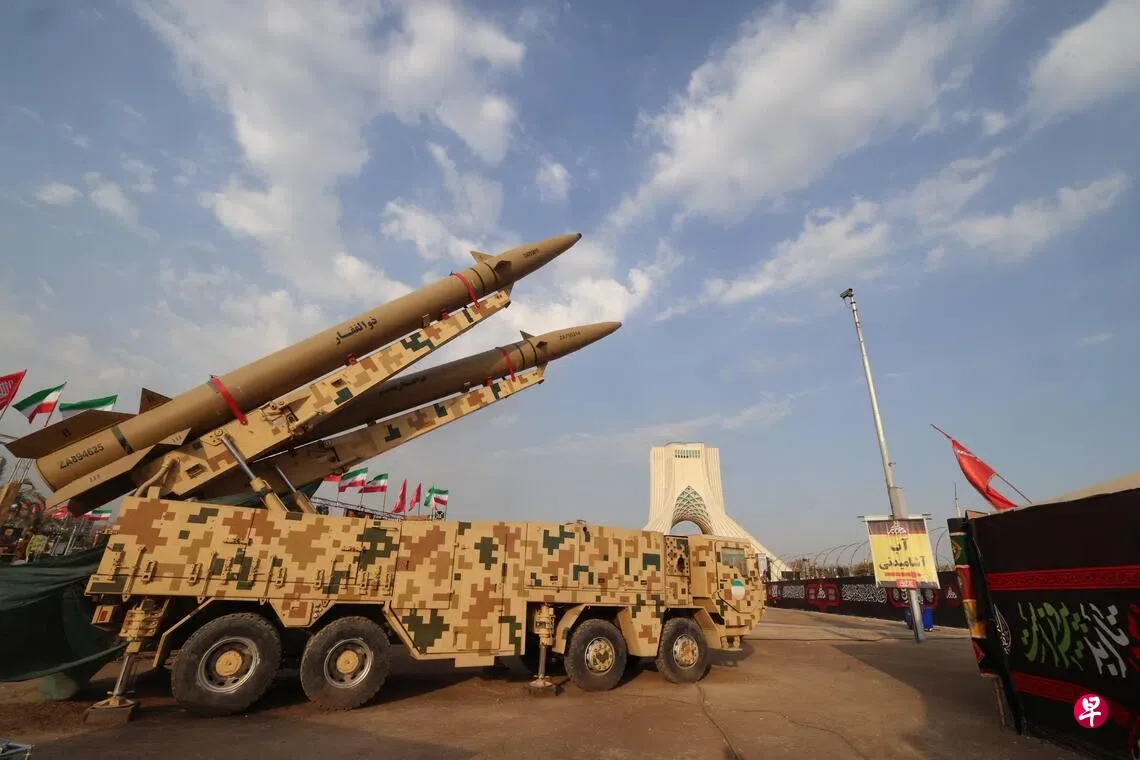
Attacks on ships near the Strait have intensified, including a missile strike on an ADNOC tanker allegedly by Iran, and other vessels hit by unknown projectiles [3]. Regional warnings suggest Iran is prepared to retaliate if the U.S. continues military aggression [2].
Before the conflict, about 20% of global oil and gas passed through the Strait of Hormuz. Iran’s nuclear program remains a focus, with an estimated 11 tons of enriched uranium driving U.S. non-proliferation demands [3, 7, 8, 9, 10].
The immediate next step is the imminent start of negotiations, with President Trump scheduling talks to begin tomorrow afternoon and a possible 60-day temporary safe passage agreement expected in the coming days [11, 12, 7, 8, 9].