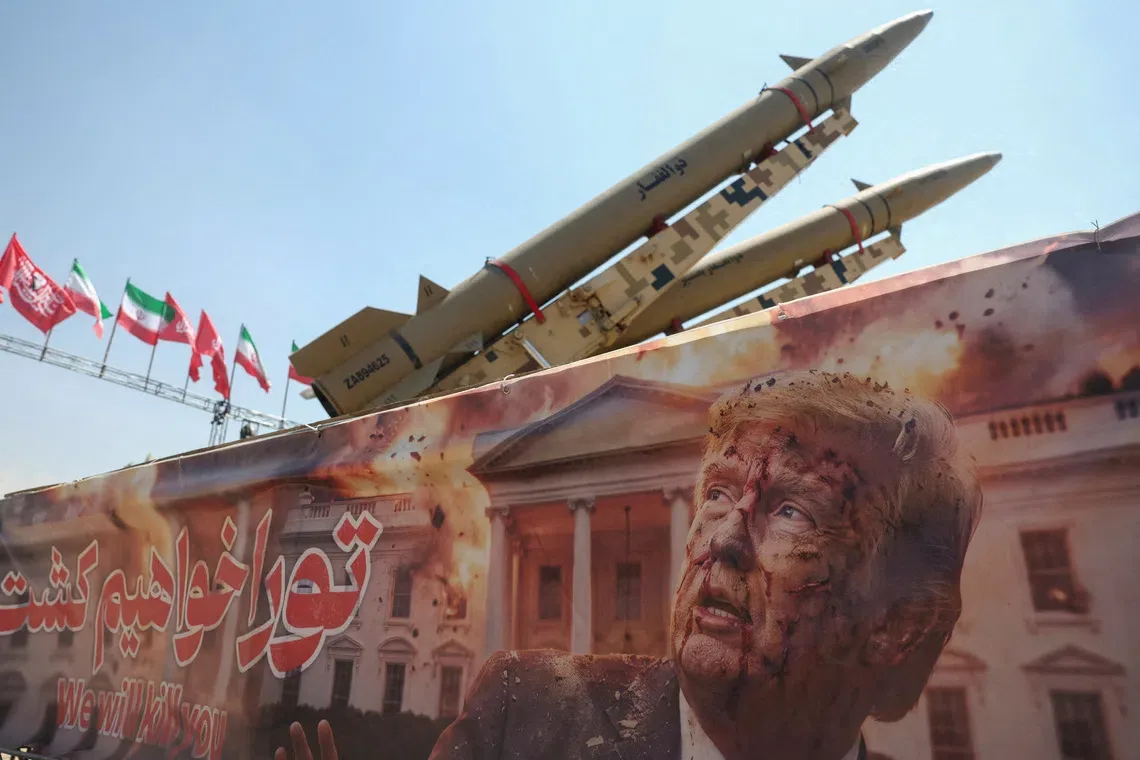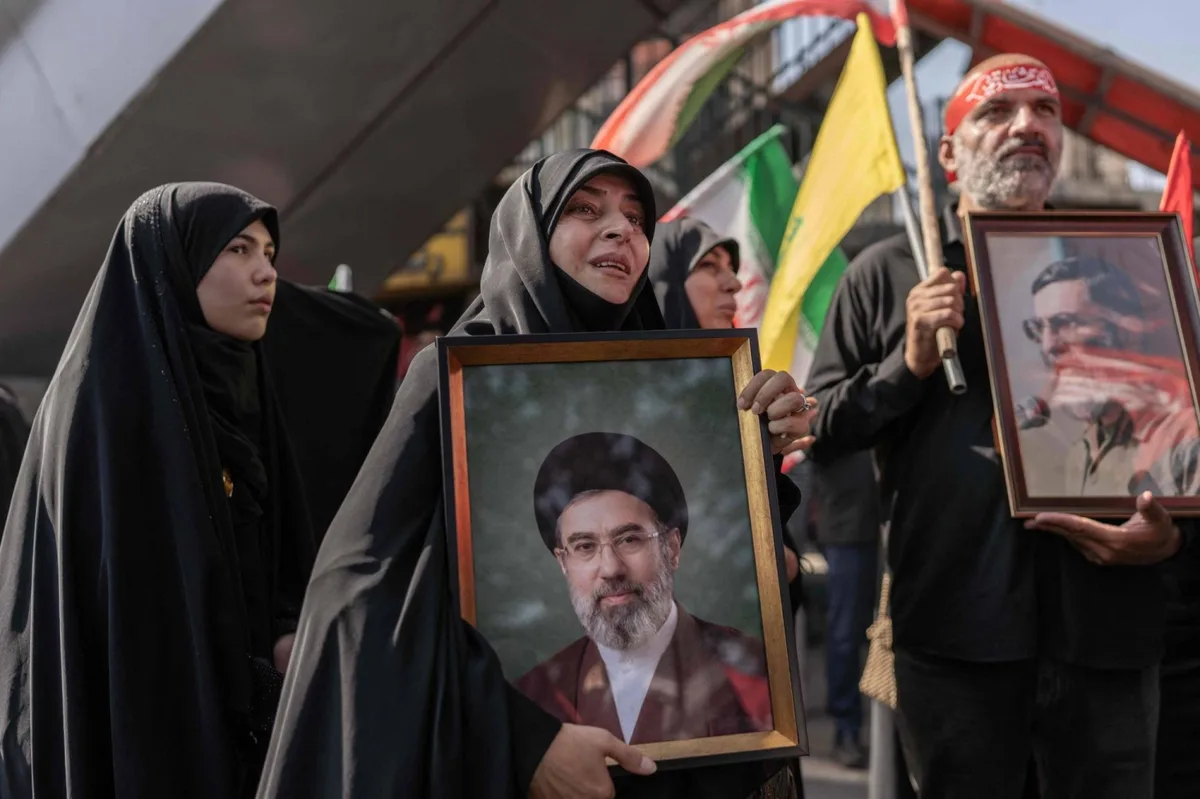
Iran condemned the United States' new economic sanctions announced on August 28 as "state terrorism." The US administration described the move as an "economic D-Day" targeting Tehran's finances amid the ongoing conflict between the two nations [1, 2, 3]. Iranian Supreme Leader Ayatollah Mojtaba Khamenei called for banning acts that harm "social cohesion" and urged the government to address the profound economic hardships facing the country. "There is the need to seriously address the chain of economic and livelihood challenges, such as inflation, unemployment, management of prices and the market for goods and services," Khamenei said [1, 4, 2, 5].
The war between Iran and the United States reached the six-month mark in late August 2026, having started after an attack on February 28 killed former Supreme Leader Ali Khamenei and injured the current leader Mojtaba Khamenei [1, 4, 6, 5]. In June, a short-lived memorandum of understanding allowed Iran to sell about 90 million barrels of oil before US sanctions were ramped up again [1, 2, 5]. According to Iranian President Masoud Pezeshkian, foreign trade—including exports and imports—has dropped nearly 35 percent due to both the US sanctions and a naval blockade of Iranian ports. "Foreign trade had shrunk by nearly 35 per cent because of US sanctions and a naval blockade of Iranian ports," Pezeshkian said [1, 4, 2, 5].
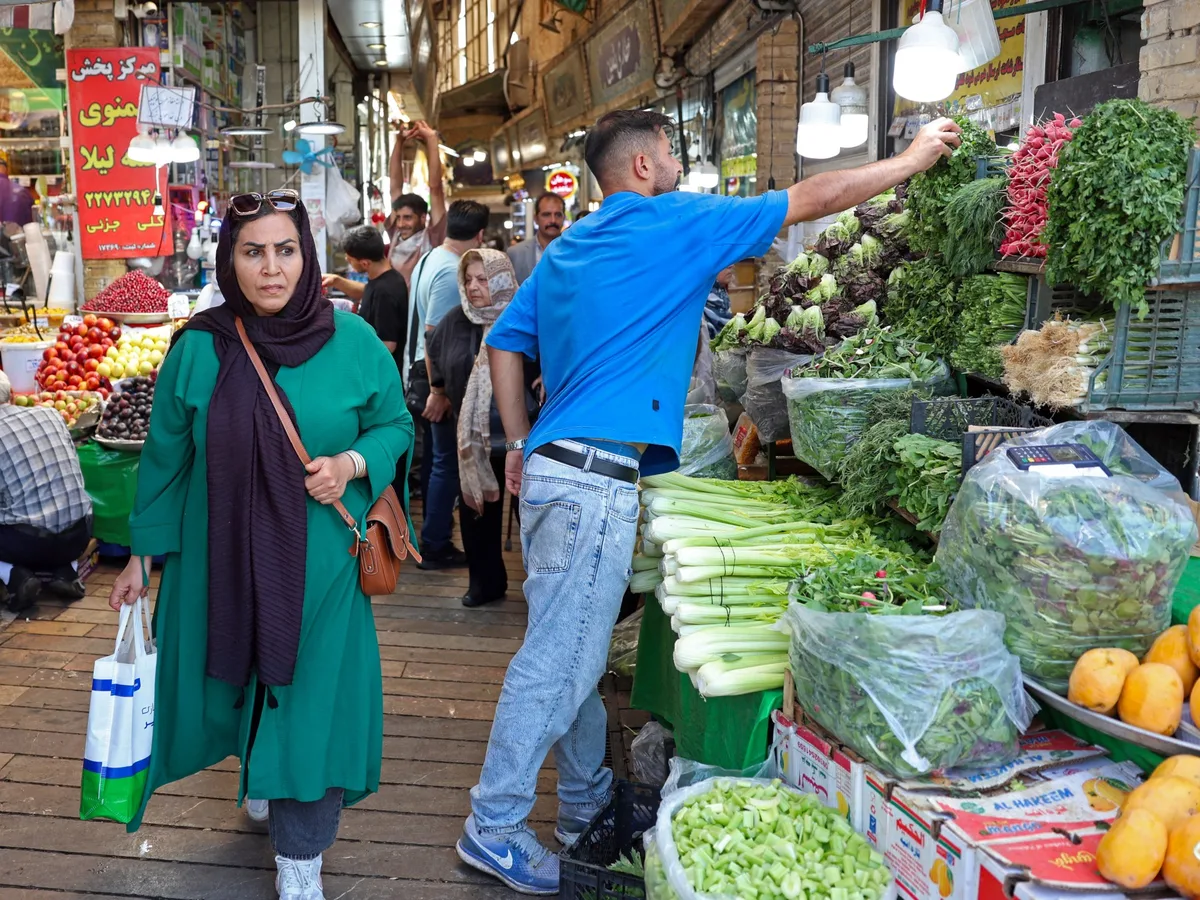
Inflation in Iran soared to 66 percent as of July, worsening daily life for many citizens. Maryam, a resident of Tehran, said, "Before the war, I didn’t work. Since the war, I’ve had to find a job to help support my household. Everything has become so expensive." Omid, who owns a food business in Tehran, added, "We can barely afford to pay our workers" [5].
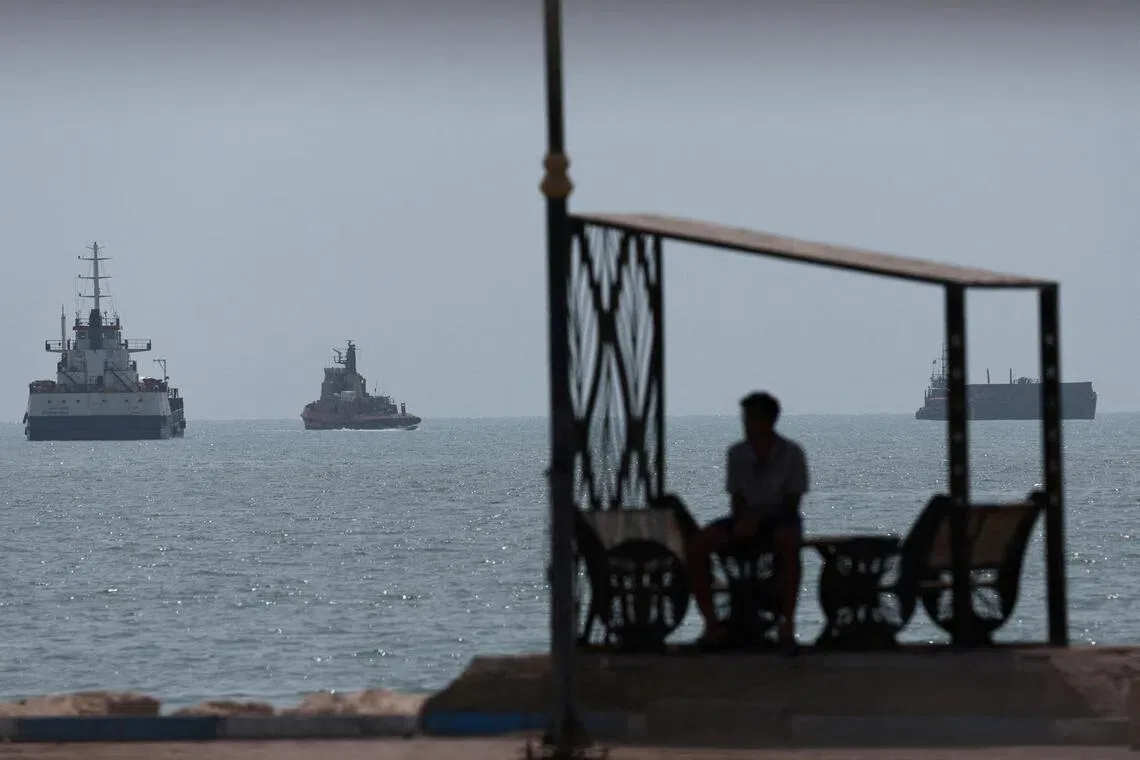
The US Treasury Department warned countries to cut business ties with Iran or face secondary sanctions but did not penalize major trade partners like China and India. It did impose sanctions on Egypt's Banque Misr and one entity in Hong Kong linked to Iran's Bank Melli [1, 4, 6]. The standoff over the Strait of Hormuz, a key oil transit route responsible for about one-fifth of the world’s oil supply prior to the war, remains a major unresolved flashpoint [1, 2, 3].
Tehran described diplomacy and defense as "two complementary, coordinated and inseparable wings" for protecting national interests [5]. Despite diplomatic talk, the economic and military pressure continues amid the ongoing war.
Iranian President Pezeshkian reported the nearly 35 percent drop in foreign trade only yesterday, August 29. No further diplomatic meetings have been announced as tensions persist [4, 5].