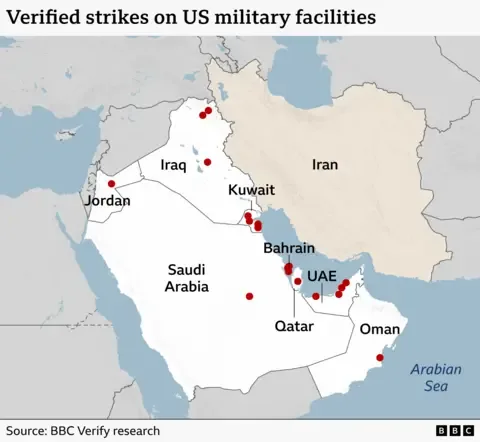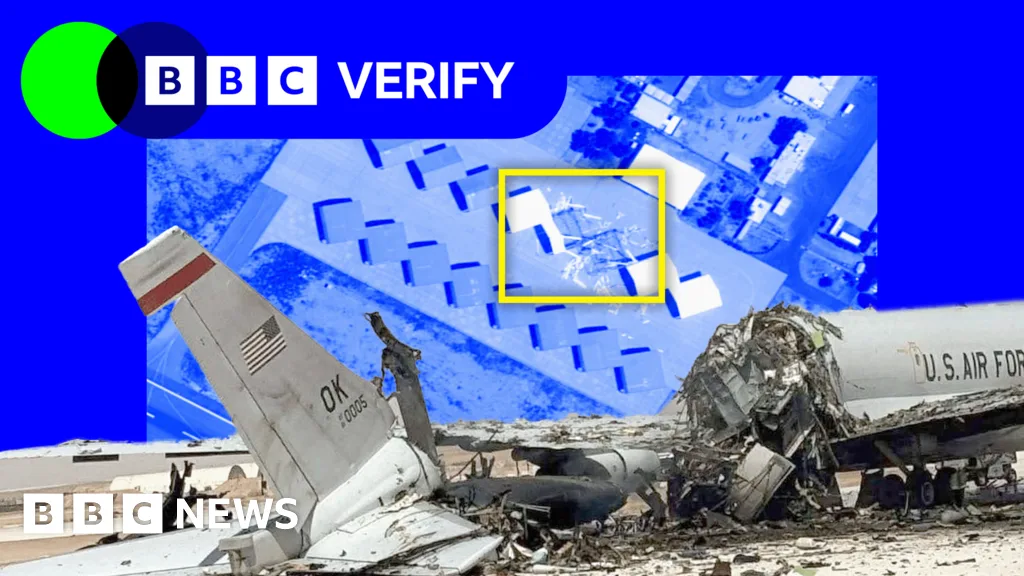
Iran has damaged 20 US military sites located in Saudi Arabia, United Arab Emirates, Qatar, Kuwait, Iraq, Jordan, Bahrain, and Oman since the start of the US-Israeli conflict in late February 2026 [1, 2, 3]. The attacks have targeted advanced air defense systems, refueling and surveillance aircraft, radars, missile batteries, and key military infrastructure [1, 3].
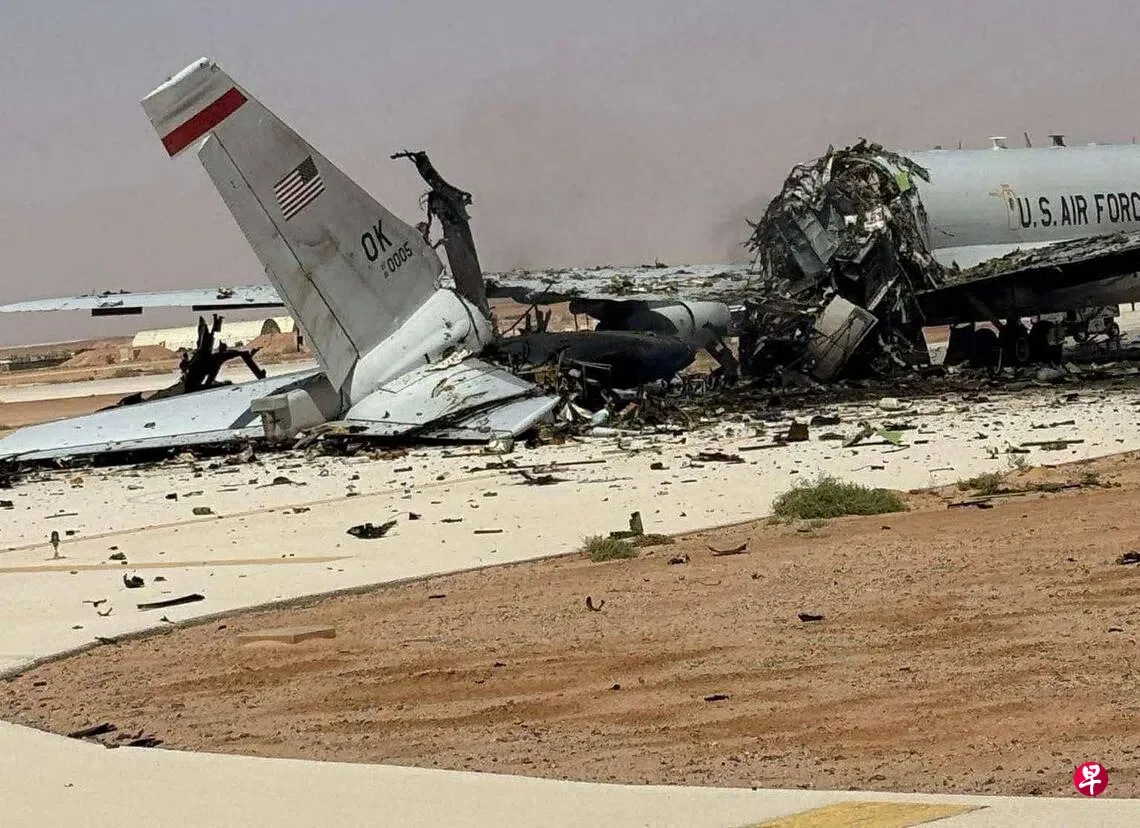
Satellite imagery shows damage to three Terminal High Altitude Area Defense (THAAD) anti-ballistic missile batteries at airbases in the UAE and Jordan. Each THAAD system costs around $1 billion to manufacture [1, 3]. Iranian strikes severely damaged US refueling and surveillance aircraft at Prince Sultan Airbase in Saudi Arabia, including an E-3 Sentry plane valued at up to $700 million [3].
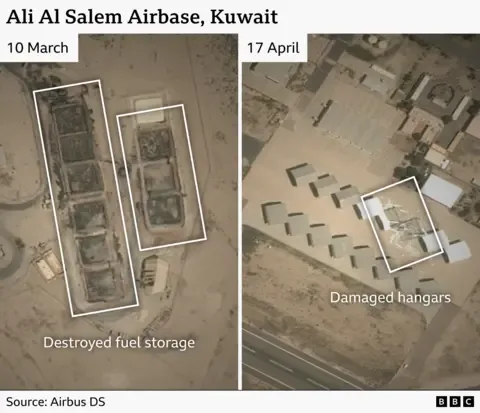
Bases in Kuwait, including Ali Al Salem and Camp Arifjan, were hit multiple times, damaging fuel storage facilities, hangars, troop accommodations, and satellite communication equipment [3]. These attacks come despite US officials publicly claiming Iran’s military capabilities have been largely destroyed. Analysts say Iran’s counterstrikes are more extensive and precise than acknowledged by Washington [1, 2, 3].
Since the strike campaign began on February 28, 2026, the Pentagon states it has hit more than 13,000 targets in Iran as part of Operation Epic Fury [1]. However, Iran’s Supreme Leader Mojtaba Khamenei declared on May 26 that the Middle East was no longer a "safe place" for American bases [1, 2].
The US has also requested that Planet Labs impose an indefinite restriction on releasing new satellite imagery of Iran and much of the Middle East region [1].
The conflict initially escalated after US and Israeli strikes on Iran at the end of February 2026. A ceasefire brokered by Pakistan briefly took effect on April 8 but failed to bring lasting peace [1, 3]. The latest public remarks from Iran’s leadership signal continued tensions in the region [1, 2].