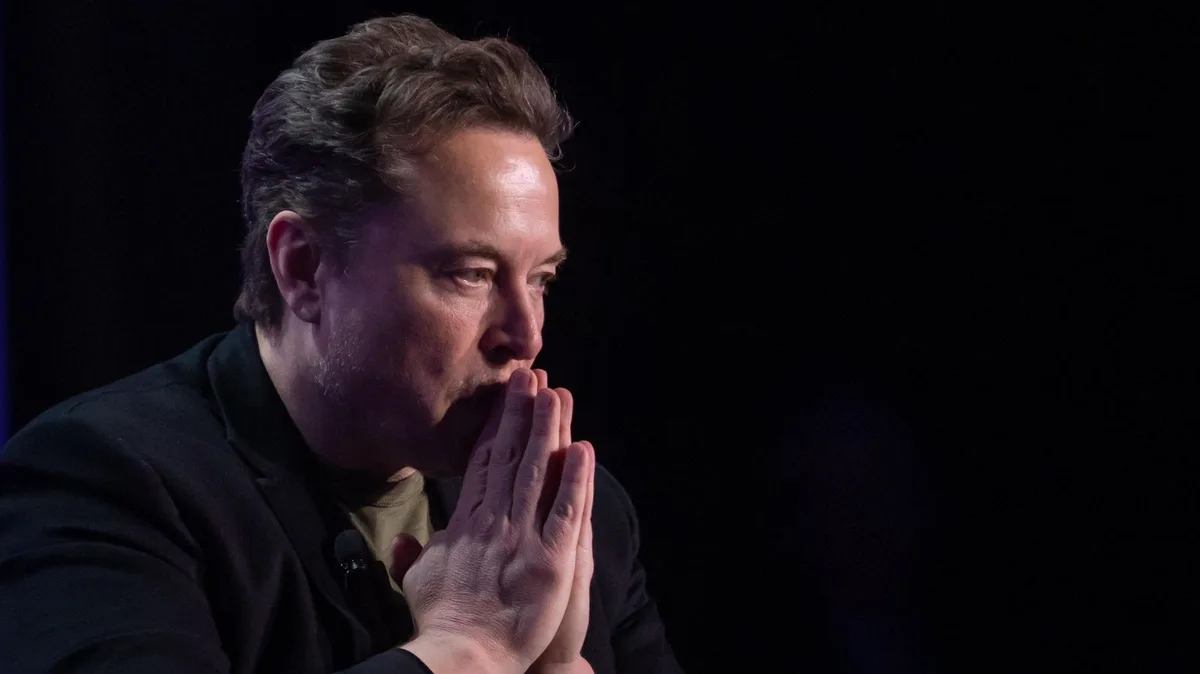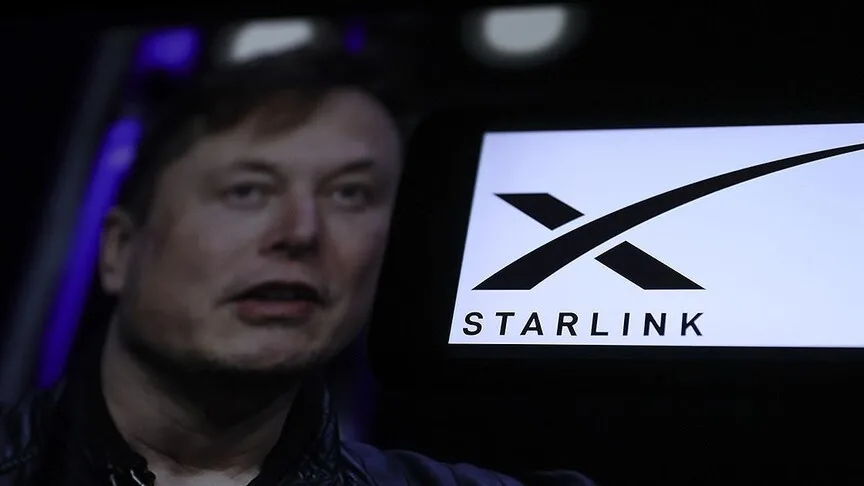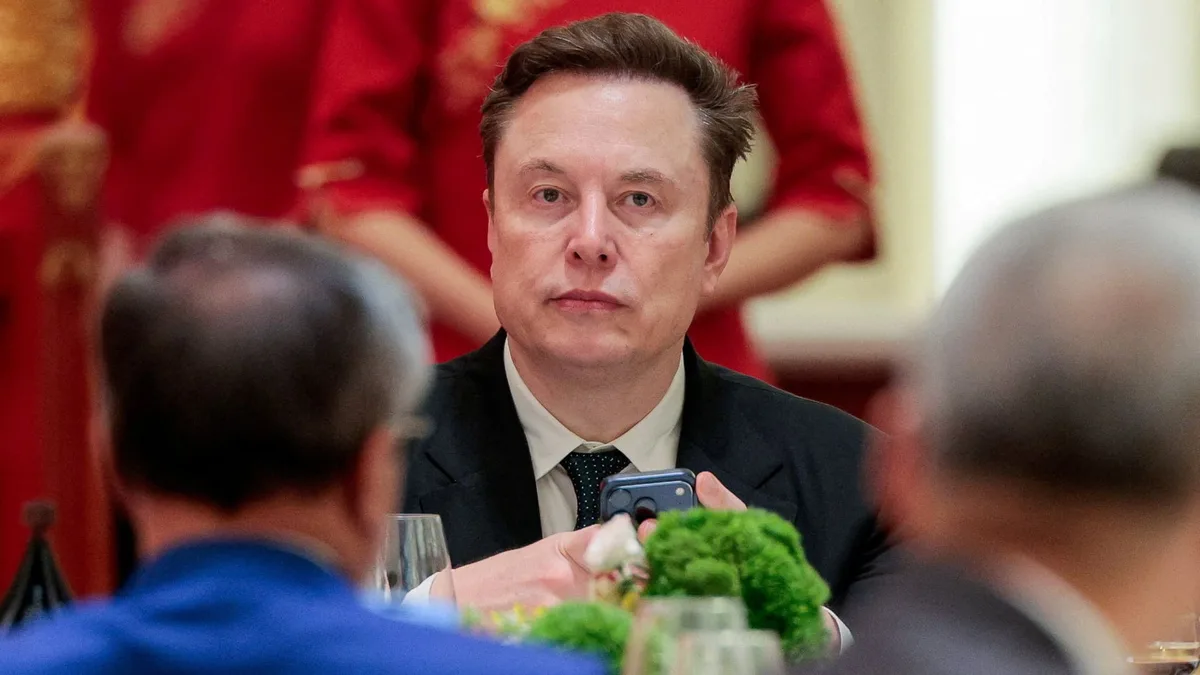
Iran announced on June 11 it will treat all Elon Musk-owned companies operating in the Middle East as military targets amid escalating tensions with the US and Israel [1, 2]. Iranian state media Fars said this includes SpaceX’s Starlink internet service and related infrastructure, which it accused of being used by US and Israeli forces in attacks against Iran [3, 2].
According to Fars, intelligence indicates cooperation between Musk-linked companies and US military operations. Iran reserved the right to strike Musk’s facilities across Israel, Qatar, Jordan, the UAE, and Oman [3, 2]. A Fars source also accused the US military, through Musk-affiliated companies, of war crimes, including attacks on water infrastructure in southern Iran, though this claim is of medium confidence [3, 2].
The announcement follows a May 2026 $2.29 billion contract awarded to SpaceX by the US Space Force to build a military internet satellite network [3]. SpaceX’s Starshield service, a government-grade version of Starlink for defense and intelligence uses, supports this role [3]. Elon Musk, with an estimated net worth of $781.7 billion, is preparing for SpaceX to go public with an expected valuation between $1.75 trillion and $2 trillion [3].
In response, former US President Donald Trump issued a warning on social media June 11, saying the US would attack Iran "VERY HARD TONIGHT," and promised to seize key Iranian oil infrastructure including Kharg Island [1, 2]. Trump’s comment marks a sharp escalation amidst ongoing hostilities.
The standoff puts Musk’s commercial and government-linked holdings in the Middle East at the center of a high-stakes geopolitical conflict. Iran’s declaration effectively marks these assets as part of the broader military confrontation with the US and its allies.
Officials from all sides have yet to publicly respond in detail. The situation remains volatile, with potential for immediate military action following Trump’s threat and Iran’s targeting declarations.