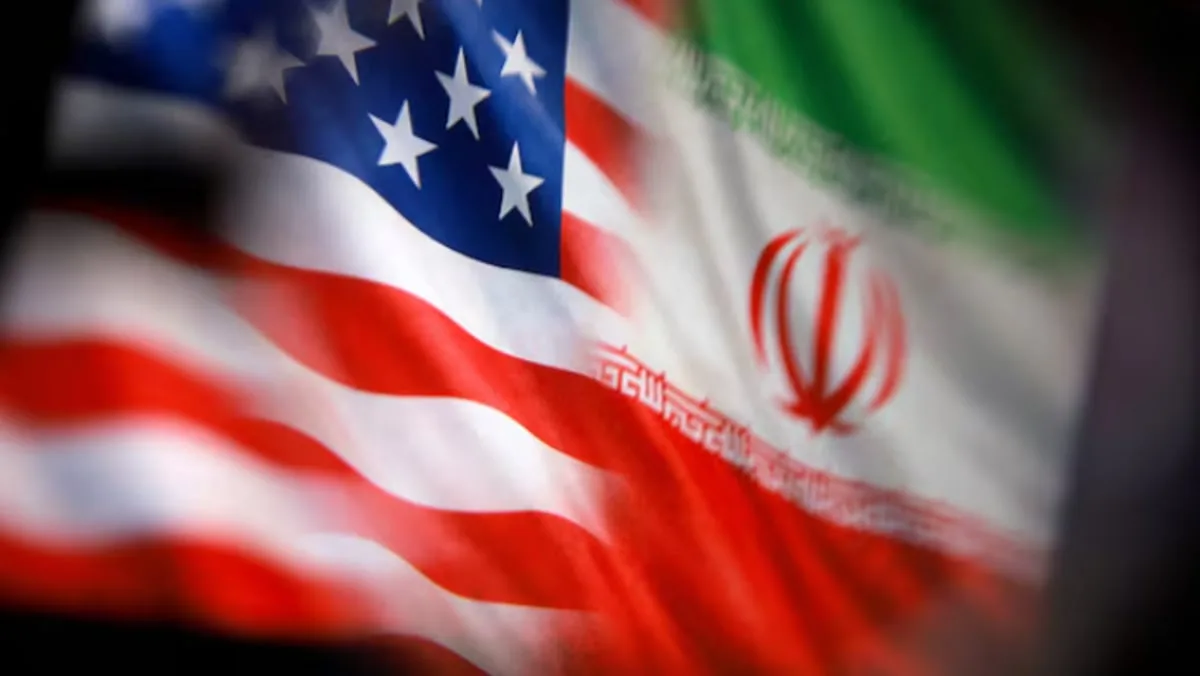
Iran denied on August 12 that it is negotiating with the US to extend the temporary ceasefire agreement signed in June 2026, stating no official ceasefire period ever began and thus cannot be extended [1, 2, 3, 4, 5, 6, 7]. A senior Iranian official told Reuters, "There are no extension talks because from Iran’s perspective, no start date was ever set, so there is nothing to extend. The US violated the agreement within 48 hours and withdrew days later" [1].
Tehran insists the US must first resume adherence to the ceasefire and provide a concrete timeline for fulfilling its commitments before extension talks can occur [1, 2, 3, 5, 6, 7]. The original deal, signed in June 2026, declared an immediate and permanent halt to military operations on all fronts but broke down quickly [1, 2, 3, 5, 6, 7]. US President Donald Trump declared the agreement over on July 7, 2026 [1, 2, 3, 5, 6, 7]. Iran accused the US of violating the terms within two days and then withdrawing from the accord shortly after [1, 2, 3, 5, 6, 7].
The 60-day ceasefire period mentioned in the memorandum was a window to negotiate a comprehensive final deal concerning Iran’s nuclear program, regional security, and sanctions relief [1, 2, 3, 5, 6, 7]. Key conditions included a ceasefire in Lebanon, freedom of navigation in the Persian Gulf, and exemptions to sanctions allowing Iran oil sales [1, 2, 3, 5, 6, 7]. Disputes over the Strait of Hormuz, navigation rights, and sanctions exemptions have stalled progress [1, 2, 3, 5, 6, 7]. Iran stated the Strait of Hormuz will remain closed until the US changes course and fulfills demands such as unfreezing Iranian overseas assets [1, 8, 5, 6, 7].
Some media, citing Pakistani government sources via Anadolu Agency, claimed Tehran and Washington agreed to extend the ceasefire period [8]. Qatar said talks over the Strait of Hormuz reached an advanced stage, while Iran denied extending the ceasefire or holding such talks with the US [8].
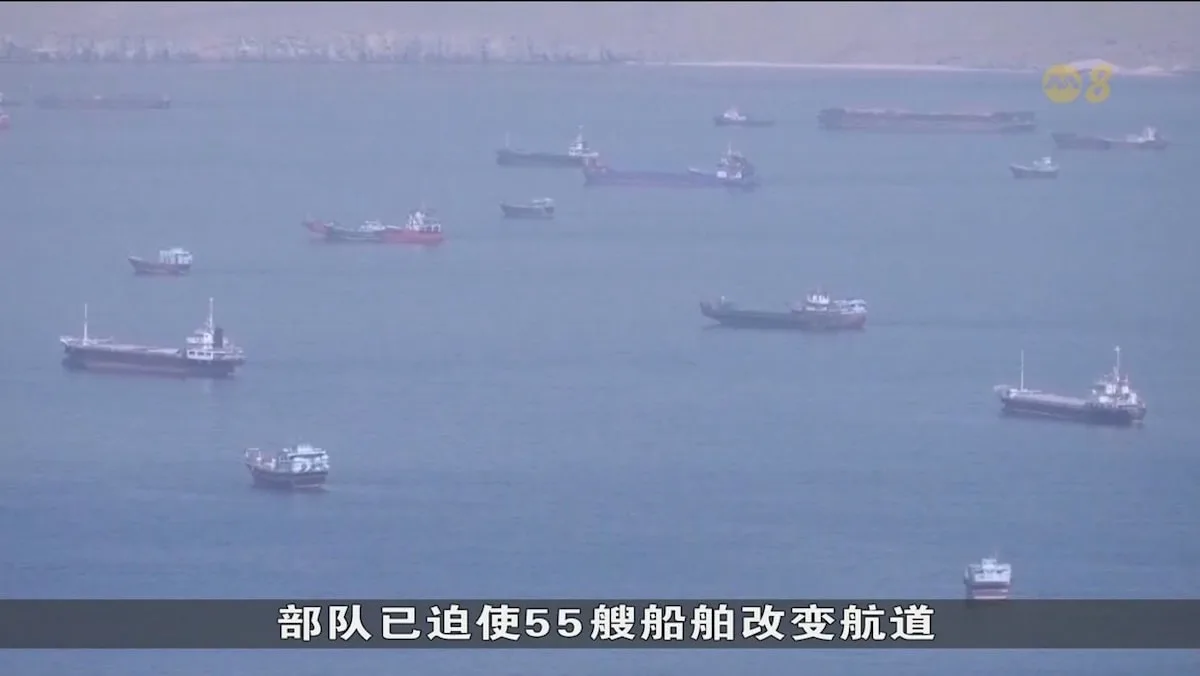
On August 10, US Central Command reported intercepting and firing 2 missiles at a Panamanian-flagged cargo vessel trying to breach the US blockade of Iran and forcing 55 ships to change course [8]. Iran’s Revolutionary Guards said they need to boost military readiness and extend operations into enemy territory if needed [8]. US President Trump said, "They have no control; we have full control. If they act, they will be completely crushed. Our position is very favorable now" [8].
Iran conducted military leadership reshuffles on August 10 as tensions remain high [6, 7]. On August 9, Iranian leader Mojtaba Khamenei stated the Strait of Hormuz will stay closed until the US requests reopening [6, 7].
The next significant step involves continued diplomatic mediation efforts to restart compliance with the ceasefire terms and establish a roadmap for fulfilling commitments, but so far, no concrete progress has been reported [1].