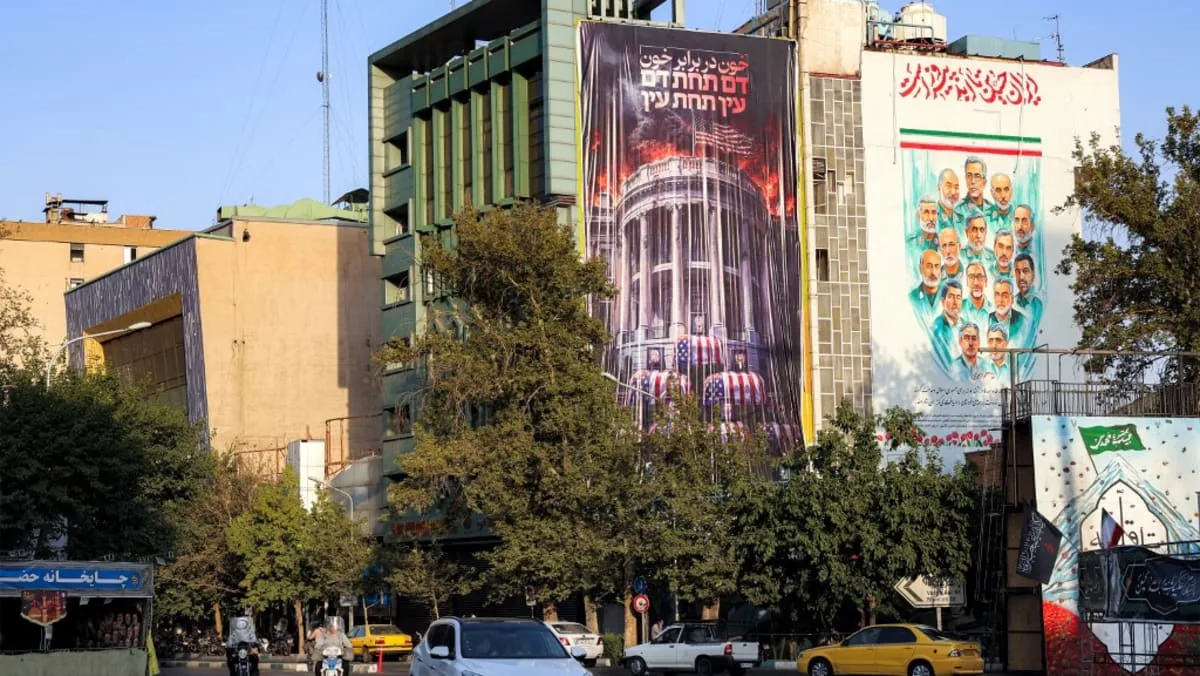
Iran condemned the US' latest economic sanctions as "state terrorism" and a "crime against humanity" that endangers millions of civilians, the government said on August 28 [1, 2]. Supreme Leader Ayatollah Mojtaba Khamenei called for unity and forbade officials from actions that harm social cohesion or morale, urging attention to economic hardships including inflation and unemployment [1, 2].
US officials have escalated sanctions under what Treasury Secretary Scott Bessent called an "economic suffocation" plan, warning countries to cut business ties with Iran or face secondary penalties, though no direct sanctions were imposed on foreign states [1, 3, 4, 5]. The sanctions and a naval blockade have slashed Iran's foreign trade by 25% to 35%, Iranian President Masoud Pezeshkian admitted in statements from late August through today [s1-s5].
President Pezeshkian said, "Some say the sanctions have no effect. To those people, I don't know what to say," acknowledging the impact amid war conditions [3]. He added, "We are in a state of war and must accept wartime conditions." He also proposed raising gasoline prices to manage trade declines, a politically sensitive step given heavy fuel subsidies [s3-s5].
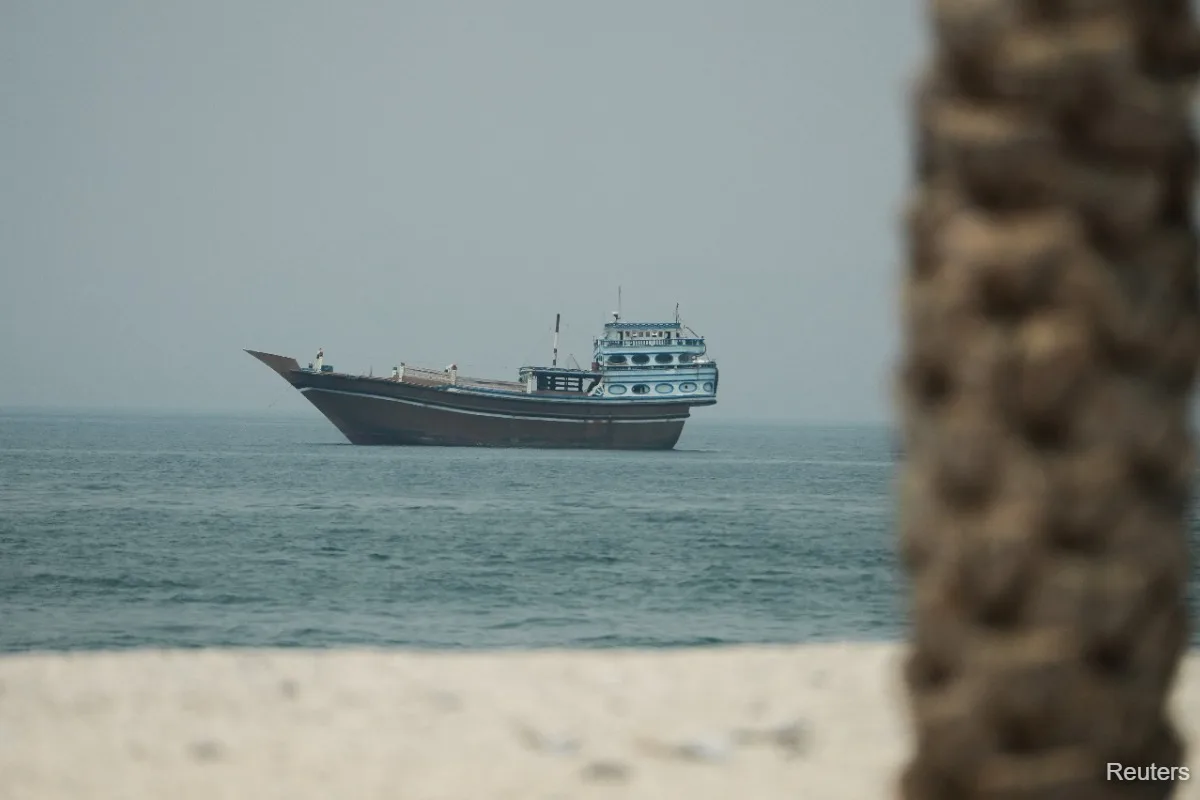
Pezeshkian signaled a willingness to consider concessions to end hostilities, stating, "If we respond accordingly to the other side's actions, we can move forward," without specifying details [5]. Meanwhile, the Strait of Hormuz, which handled roughly 20% of the world’s oil supply before the conflict, remains a critical unresolved flashpoint [1].
Iran faces soaring inflation at 66% annually due to sanctions and economic disruption [1]. Khamenei emphasized the need to seriously manage inflation, unemployment, and market prices to protect livelihoods [1].
US Treasury Secretary Bessent first unveiled the intensified sanctions and warnings to other countries on August 24 [s3-s5]. Iran's latest condemnations and presidential comments came in the following days through August 29 [s1-s5]. Authorities now face pressure to weigh economic reforms as tensions persist.
The next critical developments will likely depend on whether Iran details any specific concessions or responses to US actions aimed at relaxing sanctions or advancing negotiations.