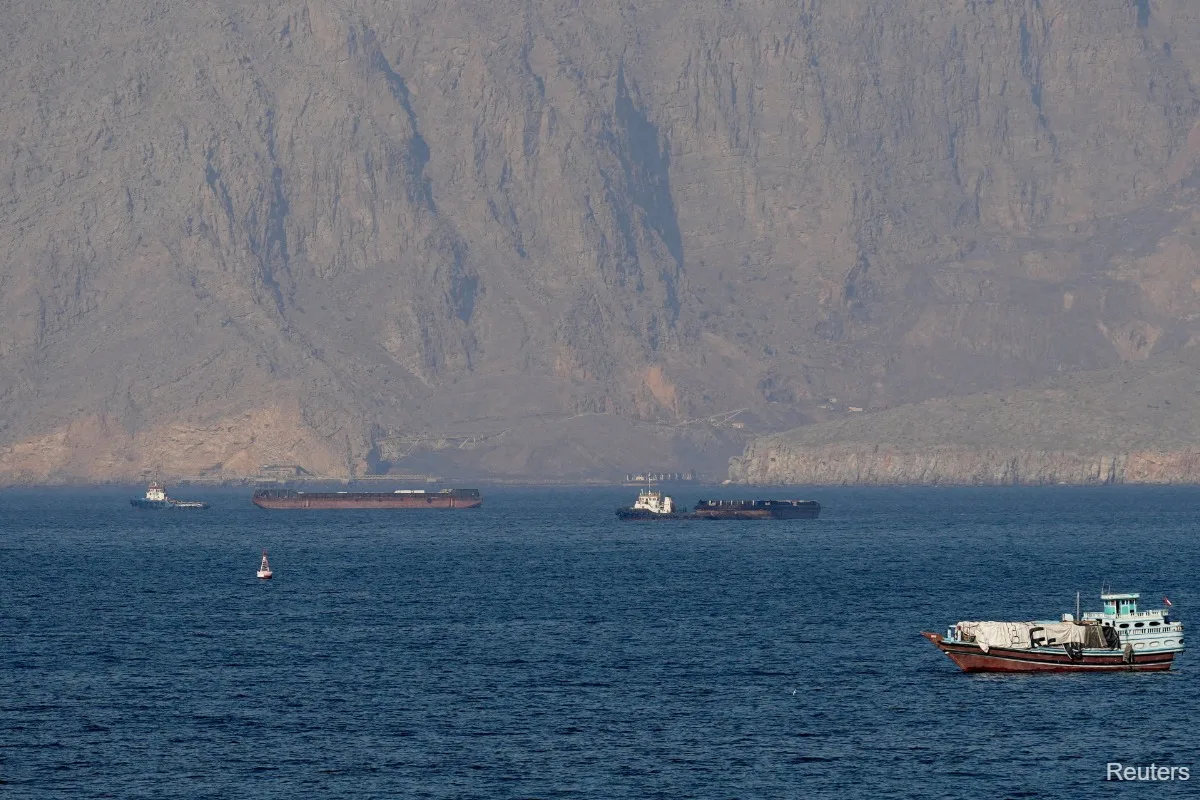
Iranian Deputy Foreign Minister Kazem Gharibabadi stated on August 15 that the Strait of Hormuz will be opened and closed only under Iran's command, urging the US to accept defeat. He said, "This strait will be opened and closed only under Iran's command, and so long as you do not accept the reality of defeat and stop indulging in fantasies, Iran will continue to enforce the blockade" [1, 2, 3, 4, 5].
The strait, a vital shipping route for global oil trade, has seen a dramatic drop in traffic since the US and Israel launched war against Iran on February 28, 2026. Only two vessels transited the Strait on August 14 and 15, compared to over 130 ships daily before the war began [1, 2, 3, 5]. Ships passing without Iran's permission risk missile or drone attacks; on August 13, two Abu Dhabi National Oil Company vessels were attacked while transiting the route [1, 3, 4, 5].
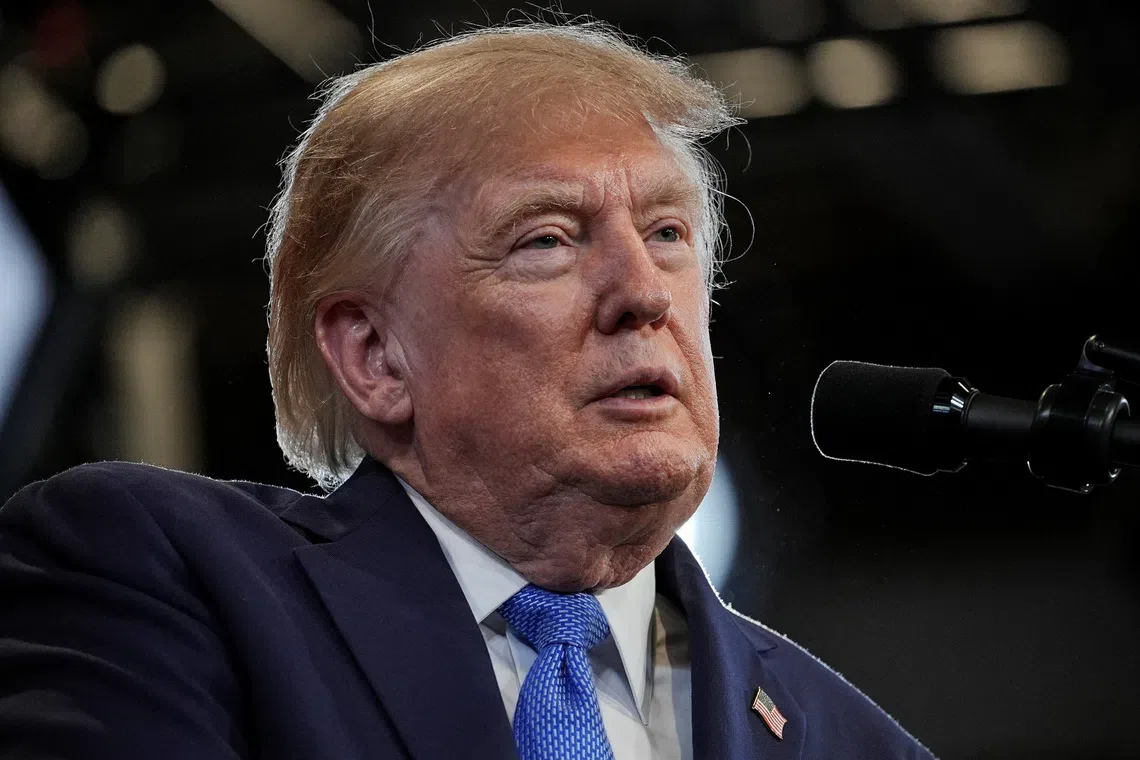
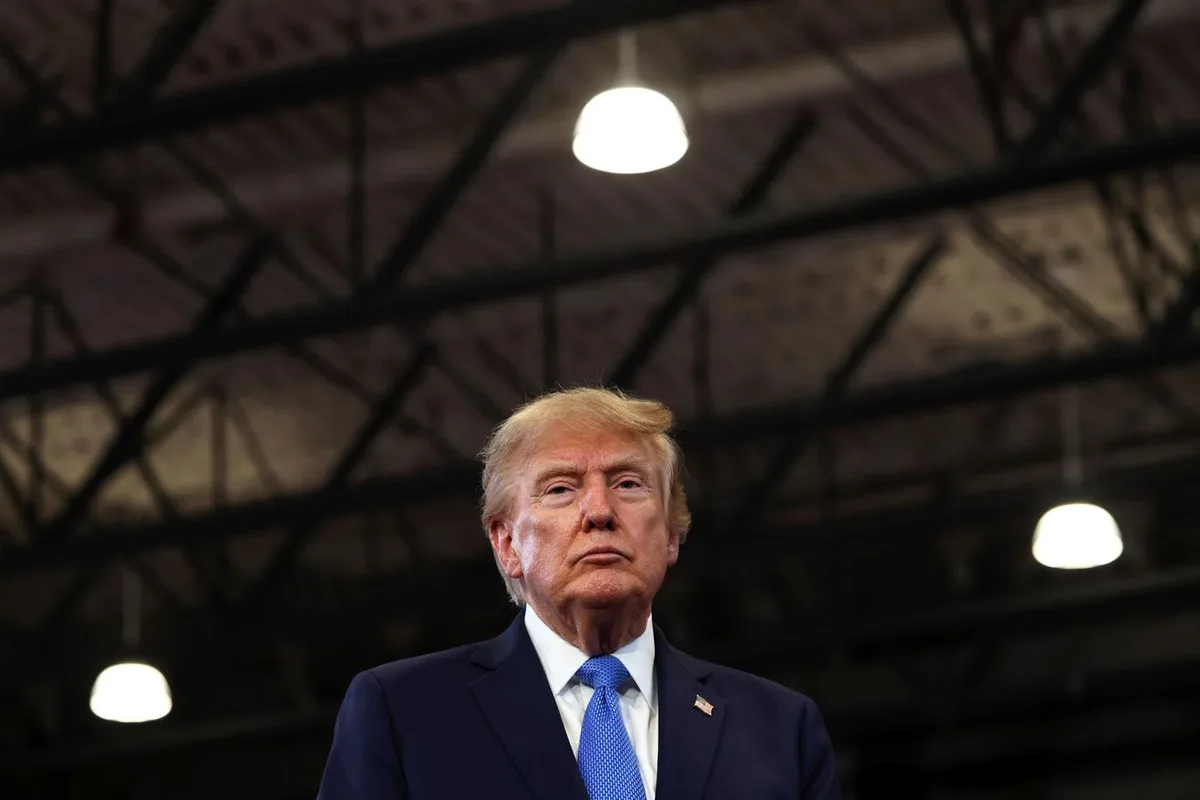
US President Donald Trump addressed rising tensions on August 14 at a rally in Garden City, New York, calling Iran "evil" and urging Americans to accept slightly higher gasoline prices to prevent Iran from acquiring nuclear weapons. He said, "Paying a tiny little bit more for your gasoline is worth the cost of ensuring a very evil country could not have a nuclear weapon" and reiterated, "If you have to pay a little more for gasoline, remember you do it to stop a very evil country from getting nuclear weapons" [1, 2, 3, 4, 5, 6].
Gasoline prices in the US reached an average of $4.08 per gallon on August 14, up 29% from $3.16 a year earlier amid the ongoing conflict and sanctions [1, 2, 3, 4, 5, 6]. The inflation and sanctions have strained Iran's economy, with President Masoud Pezeshkian blaming US port blockades and oil export restrictions for worsening conditions [3, 5].
A ceasefire memorandum reached in June between Iran and the US has been ignored, with no progress toward peace talks reported [3, 5]. Meanwhile, Iran-backed Yemeni Houthis launched multiple missile attacks on August 14 targeting Saudi and Red Sea ports, causing civilian casualties and escalating regional tensions further [3, 5].
US Treasury Secretary Scott Bessent announced that new sanctions against Iran would soon be unveiled [3, 4, 5].
The situation remains tense as Iran asserts control over the strait and military incidents increase. Monitoring will continue for developments in sanctions and diplomatic efforts.