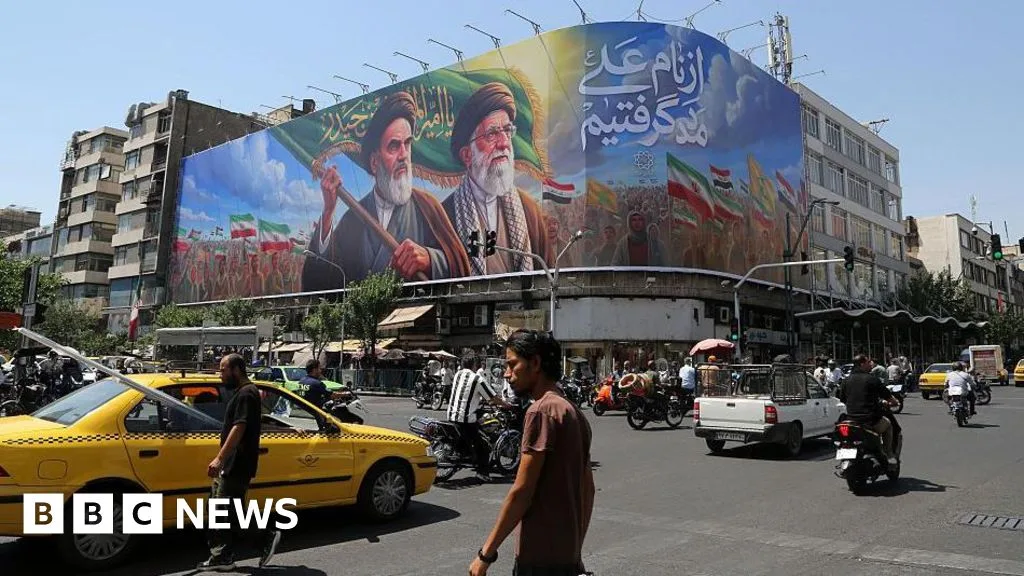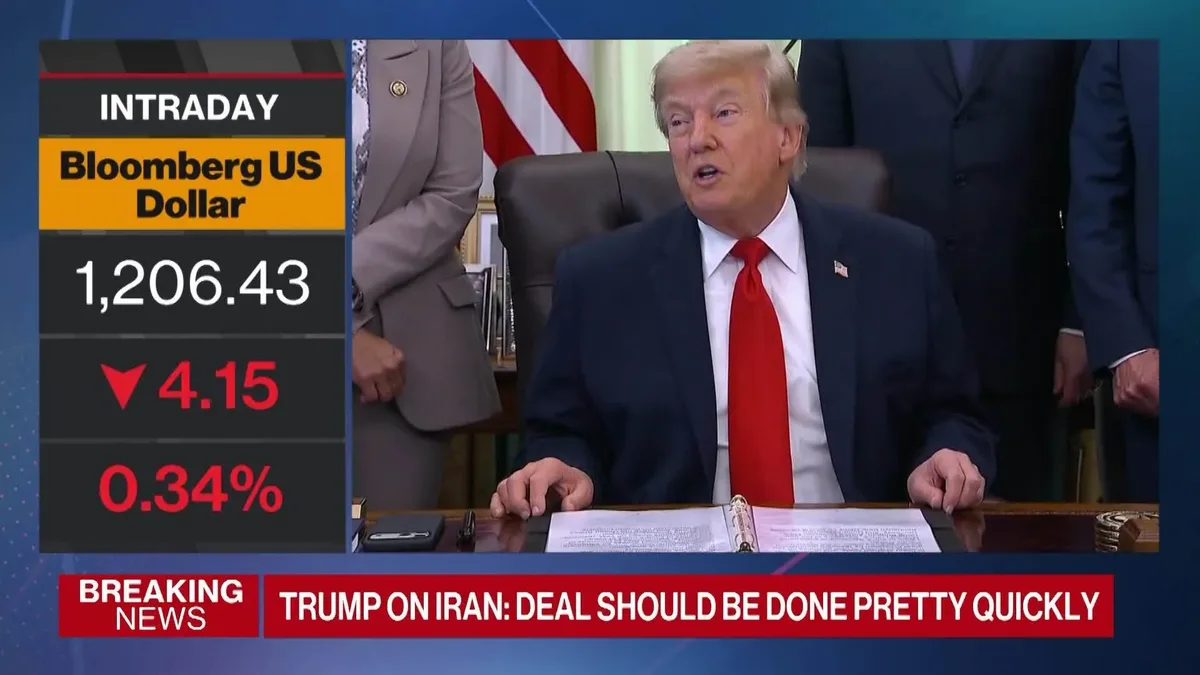
US President Donald Trump announced a peace deal with Iran could be signed within days or as soon as the weekend of June 13-14, 2026, aiming to end the three-month war that began in February and reopen the Strait of Hormuz to shipping [1, 2, 3, 4, 5]. Trump said the agreement guarantees Iran will never develop nuclear weapons and noted that regional leaders, including Gulf states and Israel, have been consulted [2, 3, 5]. He said, "We just made a great settlement of the war with Iran, and we’re going to be subject to finalization of documents, we should get done over the next few days" and added, "The Strait will officially open as soon as we sign, which could be soon, very soon, maybe over the weekend in Europe" [1, 2, 3].
Pakistani Prime Minister Shehbaz Sharif said on June 13 that the US and Iran had agreed on a framework and expected the signing within 24 hours. He said Pakistan was preparing for the electronic signing immediately after and technical talks would follow next week [6, 7, 8, 9]. Sharif stated, "We are closer to a peace deal than ever before. With finalisation likely expected in the next 24 hours, Pakistan is preparing for the electronic signing of the peace deal immediately after, followed by technical level talks next week" [8].
However, Iran’s foreign ministry spokesperson Esmaeil Baghaei said Iran had not reached a final conclusion and called reports of a final agreement "speculative." He said, "We have not reached a final conclusion on this matter. This is a very important issue that is currently being reviewed by the relevant decision-making bodies" [2, 10, 5, 9].
Israel’s Prime Minister Benjamin Netanyahu confirmed conversations with Trump but denied Israel was a party to the memorandum of understanding between the US and Iran [2, 5]. Trump previously said Israel was among the regional parties approving aspects of the deal [1, 3].
The conflict, triggered by US and Israeli strikes on Iran on February 28, 2026, has killed thousands and affected global oil prices, which rose with renewed clashes and fell on peace announcements. Brent crude oil prices were around $89 per barrel following peace deal news [2, 11, 3, 5, 8]. The agreement involves reopening the Strait of Hormuz, lifting the US naval blockade on Iranian ports, curbing Iran’s nuclear program, and lifting some sanctions [3, 7, 8]. Trump called off planned US airstrikes against Iran shortly before the peace deal announcement [2, 3, 5].
The last major escalation occurred on June 8, when Israeli strikes in Beirut prompted an Iranian missile response. Trump said these attacks would not affect the peace negotiations [11]. On June 11 and 12, Trump and US officials indicated the deal text was agreed and signing was imminent, though Iran stressed the process was ongoing [1, 2, 3, 4, 10, 5, 8].
The peace deal is expected to be signed imminently, within 24 hours of June 13, with detailed technical discussions to follow next week [6, 7, 8, 9].