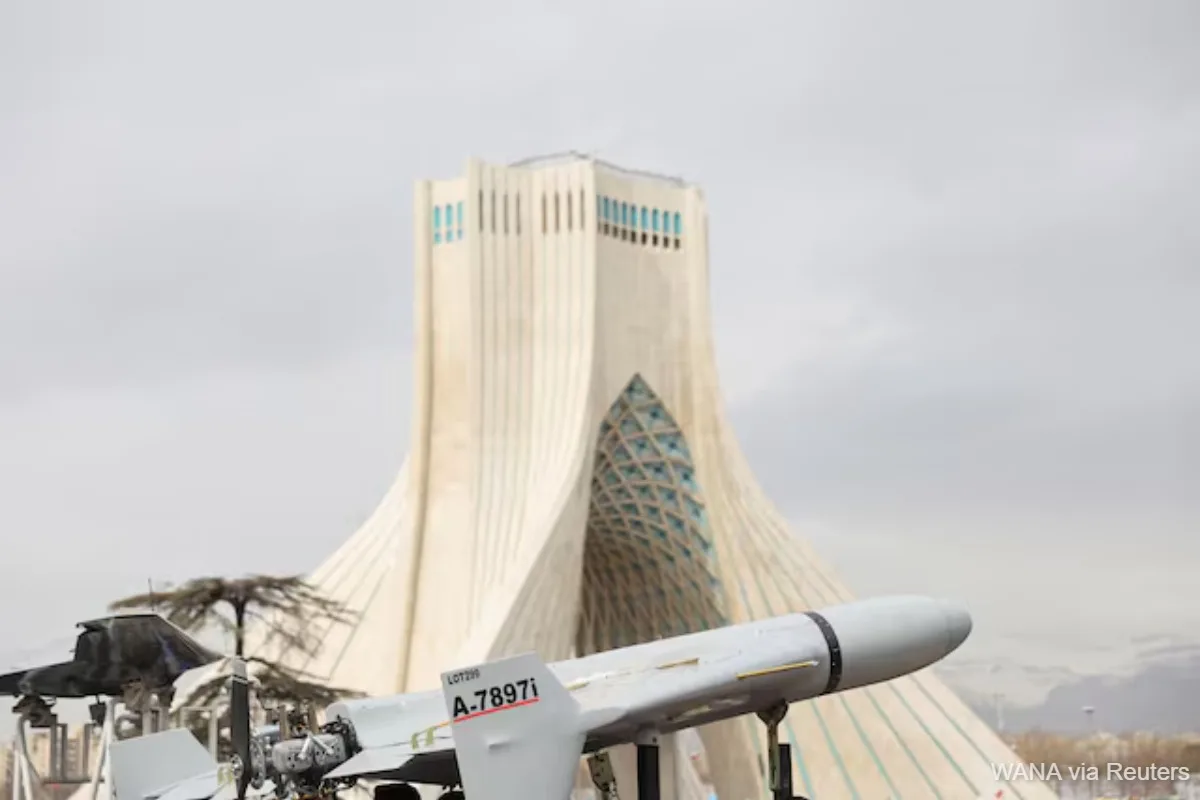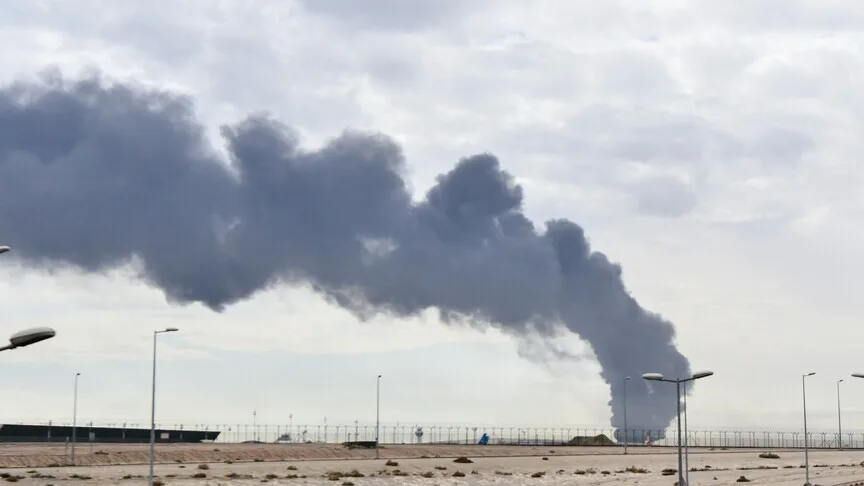
Iranian military drones targeted US facilities at Ahmad al-Jaber Air Base in Kuwait, striking fighter aircraft hangars, satellite communication systems, and equipment warehouses on July 31, 2026 [1, 2]. Kuwaiti armed forces intercepted and destroyed the drones in their airspace the following day, with air defense explosions but no reported casualties or damage [3, 4, 5].
The attacks came amid escalating hostilities between the US and Iran following recent US strikes on Iranian targets and retaliatory Iranian missile attacks on US bases in the region [3, 1, 4]. President Donald Trump threatened further escalation, including strikes on Iran's energy infrastructure, saying, "We’ll be hitting them very hard. And at some point they’ll say we just can’t take it anymore" [3]. White House Press Secretary Karoline Leavitt said Iran "will continue to pay until they come to the table in, what President Trump deems, a meaningful way" [3].
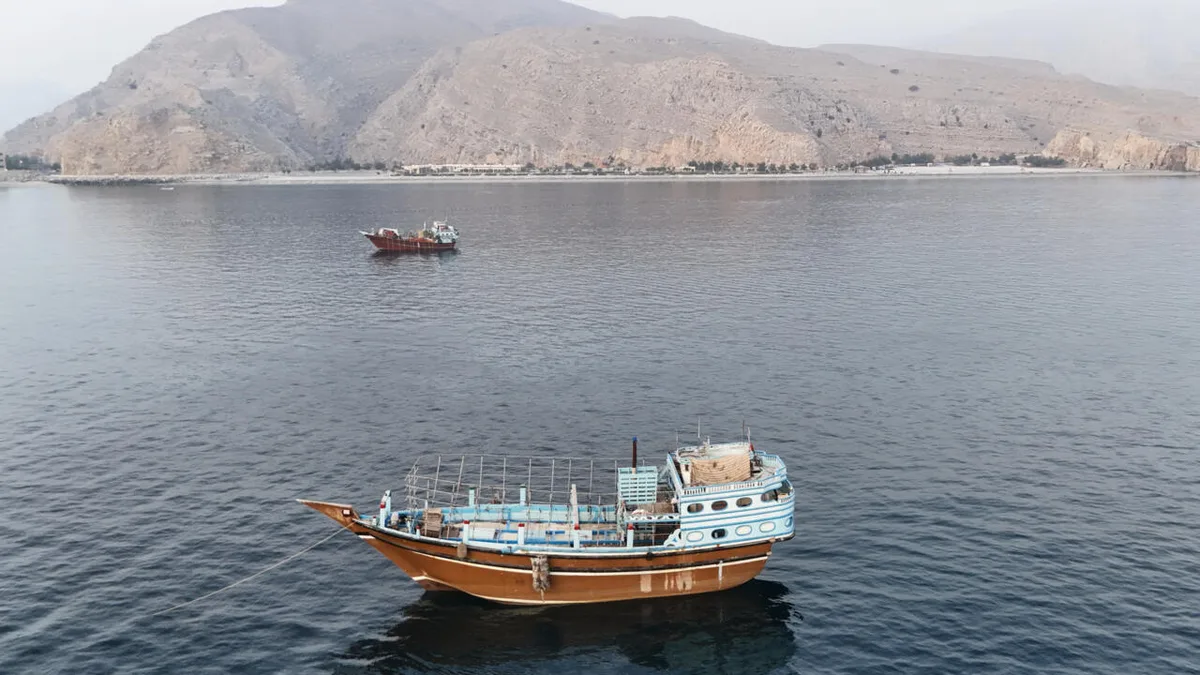
The conflict has caused energy price volatility, particularly due to Iran’s partial blockade of the Strait of Hormuz, a vital oil shipping lane [3, 1]. Kuwaiti authorities confirmed the drone interceptions and emphasized the lack of casualties or substantial damage from the attacks [3, 4, 5].
The situation remains tense as US-Iran hostilities have intensified in recent weeks, with both sides conducting military operations in the Gulf region. The Kuwaiti defense actions prevented damage to key US military assets at Ahmad al-Jaber, a critical base for US forces in the Middle East.
US officials have warned of further strikes if Iran does not negotiate, signaling a possible increase in military activity in the coming days [3].